


A Social Media Snack Attack
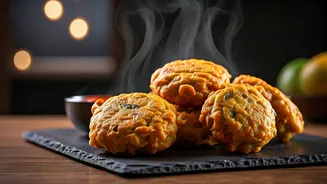
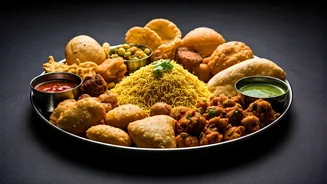
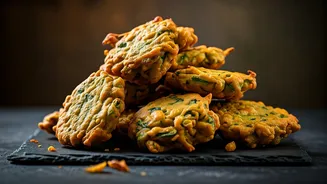
There's a delicious trend taking over the screens of food lovers across India. The star of the show isn't some exotic new dish, but a beloved, classic snack: the vegetable pakora. Home cooking vlogs on platforms like YouTube and Instagram are filled with
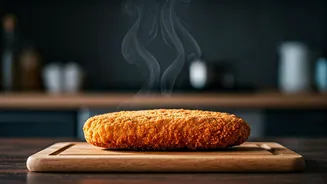
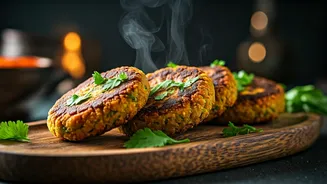
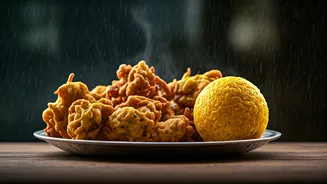
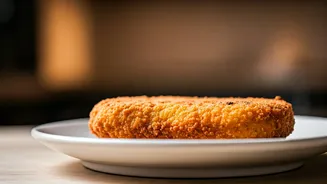
the sights and sounds of these golden, crispy fritters. Content creators are focusing on the highly sensory experience of making and eating pakoras—the sizzle of the batter hitting hot oil, the vibrant colours of the vegetables, and most importantly, the audible crunch that has become an ASMR-like obsession for viewers. This isn't just about sharing a recipe; it's about capturing a mood, a feeling of comfort and satisfaction that resonates deeply with audiences.
The Enduring Appeal of Monsoon Munchies
The timing of the pakora's digital dominance is no coincidence. In India, the monsoon season, which typically lasts from June to September, is almost culturally inseparable from a plate of hot pakoras and a cup of chai. As the rain cools the air, there's a collective craving for something warm, spicy, and comforting. Psychologically, these deep-fried, crunchy snacks can even provide a small boost in 'happy hormones' like serotonin and dopamine, combating the gloominess that can sometimes accompany overcast days. Vloggers are tapping into this powerful sense of nostalgia and seasonal comfort, creating content that feels both timely and deeply traditional.
The Quest for the Perfect Crunch
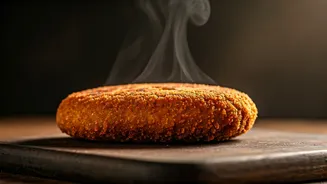
A key driver of this online trend is the pursuit of the ultimate crispy pakora. Vloggers aren't just making any pakoras; they are on a mission to achieve the crispiest, lightest, most shatteringly crunchy fritters possible. This has turned a simple snack into a technical challenge, engaging viewers who want to replicate that perfect texture at home. The comment sections are flooded with questions and tips, transforming passive viewing into an interactive culinary workshop. This focus on technique elevates the humble pakora, making it a subject worthy of study and perfection.
Secrets to Supreme Crispiness at Home
So, how do they achieve that enviable crunch? The secret lies in a few key techniques shared across countless vlogs and recipe sites. First, the batter is crucial. Many recipes now call for a mix of gram flour (besan) and rice flour or cornstarch; the latter additions are credited with creating a lighter, crispier result that absorbs less oil. Another critical tip is managing moisture. It's best to use less water in the batter, as the vegetables will release their own liquid. Some cooks even suggest salting sliced vegetables like onion to draw out excess water beforehand. Finally, frying technique is paramount. The oil must be at a medium-hot temperature—not smoking, but hot enough to firm up the pakora quickly. Frying in small batches and not overcrowding the pan prevents the oil temperature from dropping, which is a common cause of soggy, greasy results.
Classic Snack, Modern Twists
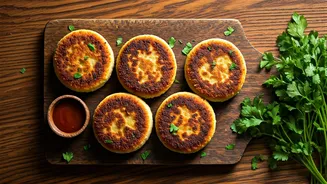
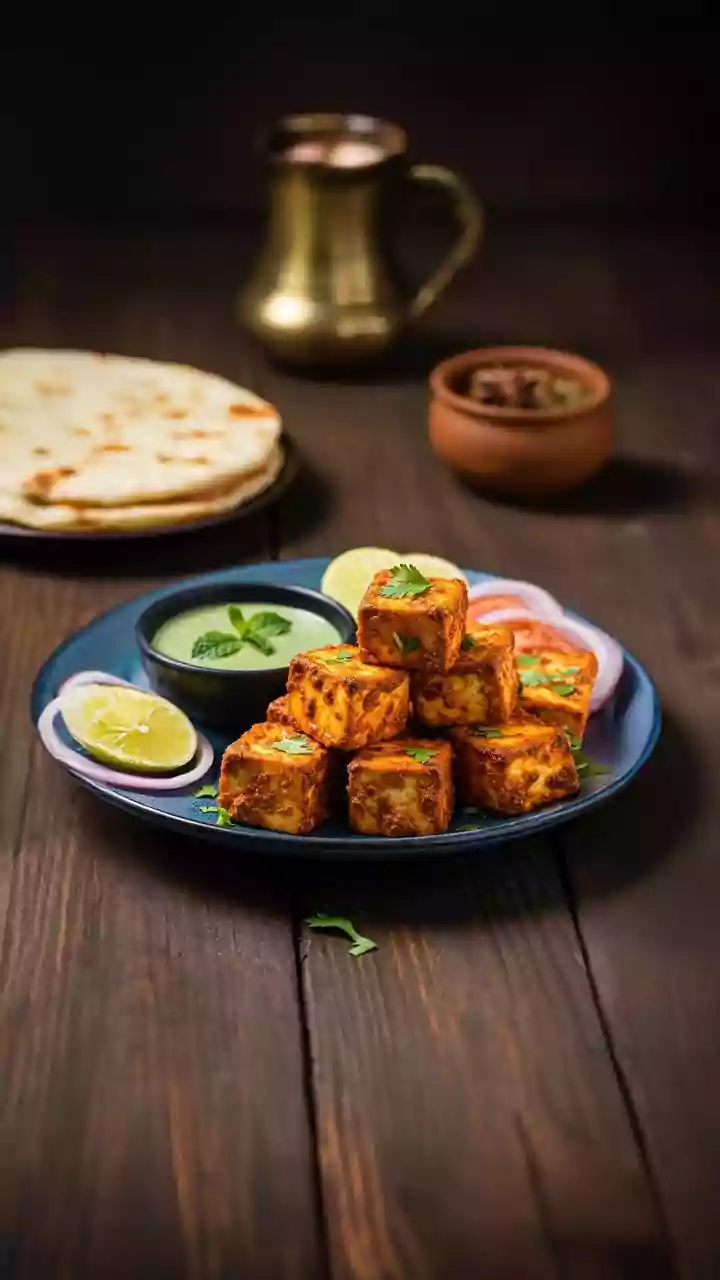
While classic onion, potato, and spinach pakoras remain the most popular, the vlogging trend also showcases a wave of creativity. Creators are experimenting with a wide variety of vegetables, from cauliflower and cabbage to broccoli and bell peppers. Some are adding paneer cubes for a soft centre, while others are incorporating different spices like chaat masala, ajwain (carom seeds), and crushed coriander seeds for more complex flavours. These modern variations keep the tradition alive while making it exciting and adaptable, encouraging a new generation of home cooks to make the recipe their own and share their creations online, continuing the delicious cycle.