


Siddu from Himachal Pradesh
Imagine a soft, steamed bread bun, warm to the touch and filled with a savory surprise. That's Siddu, a beloved dish from the hilly state of Himachal Pradesh. Made from a fermented wheat flour dough, this dish is a close relative of the steamed bun and is perfectly
suited for the cool, damp weather of the mountains and monsoons. The dough, often activated with yeast, is left to rise before being stuffed with fillings that can be either savory or sweet. A popular savory version uses a flavourful paste of walnuts, poppy seeds, or roasted peanuts and local spices. It's then steamed until cooked through and served hot, often with a generous dollop of desi ghee, a simple green chutney, or a hearty lentil soup. Traditionally a food for shepherds, its energy-rich ingredients make it a wholesome and deeply satisfying start to a rainy day.
Kuzhi Paniyaram from Tamil Nadu
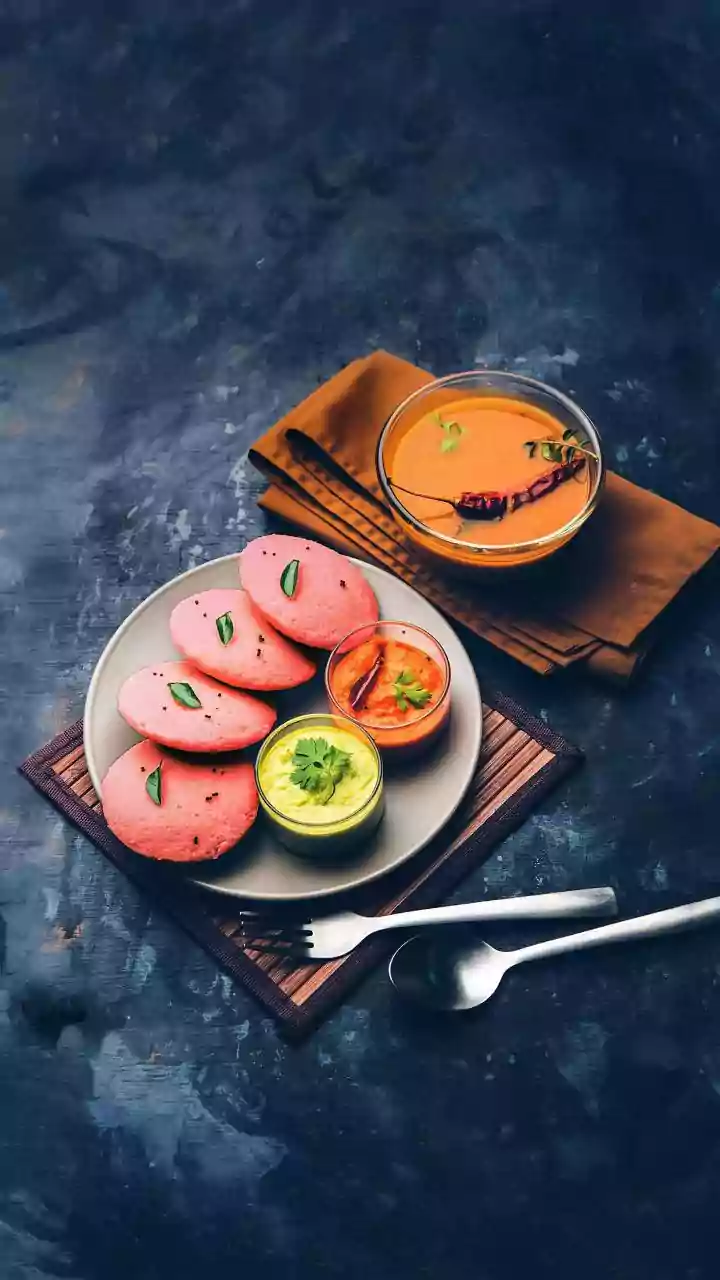
These delightful golden-brown spheres, crispy on the outside and soft and spongy within, are a breakfast staple across South India, known by many names like Paddu or Guliyappa. Kuzhi Paniyaram is made from a fermented batter of rice and urad dal, often the very same batter used for idli and dosa, making it a brilliant way to use up any leftovers. The batter is seasoned with a tempering of mustard seeds, curry leaves, green chillies, and finely chopped onions, which sizzle and pop, infusing the mixture with incredible aroma and flavour. Sometimes, grated carrots or finely chopped coconut are also added for extra texture and taste. They are cooked in a special pan with multiple small cavities, which gives them their signature round shape. Served hot with a side of spicy coconut chutney or sambar, these savoury dumplings are the perfect bite-sized comfort for a grey, overcast morning.
Handvo from Gujarat
Handvo is a traditional Gujarati savory cake that packs a punch of flavour and nutrition. It’s a wholesome dish made from a fermented batter of rice and mixed lentils like toor, chana, and urad dal. What makes Handvo special is the addition of grated vegetables, most commonly bottle gourd (dudhi), which keeps the cake moist and adds a subtle sweetness. The fermented batter is spiced with ginger, green chillies, and turmeric, and then baked or pan-fried until it forms a beautiful golden-brown crust while the inside remains soft and fluffy. A final tempering of mustard seeds, sesame seeds, and curry leaves is poured over the top, adding a delightful crunch and aroma. It’s a complete meal in itself—part cake, part bread—and a slice of warm Handvo with a cup of chai is a cherished monsoon ritual in many Gujarati households.
Pitha from Bengal and the East
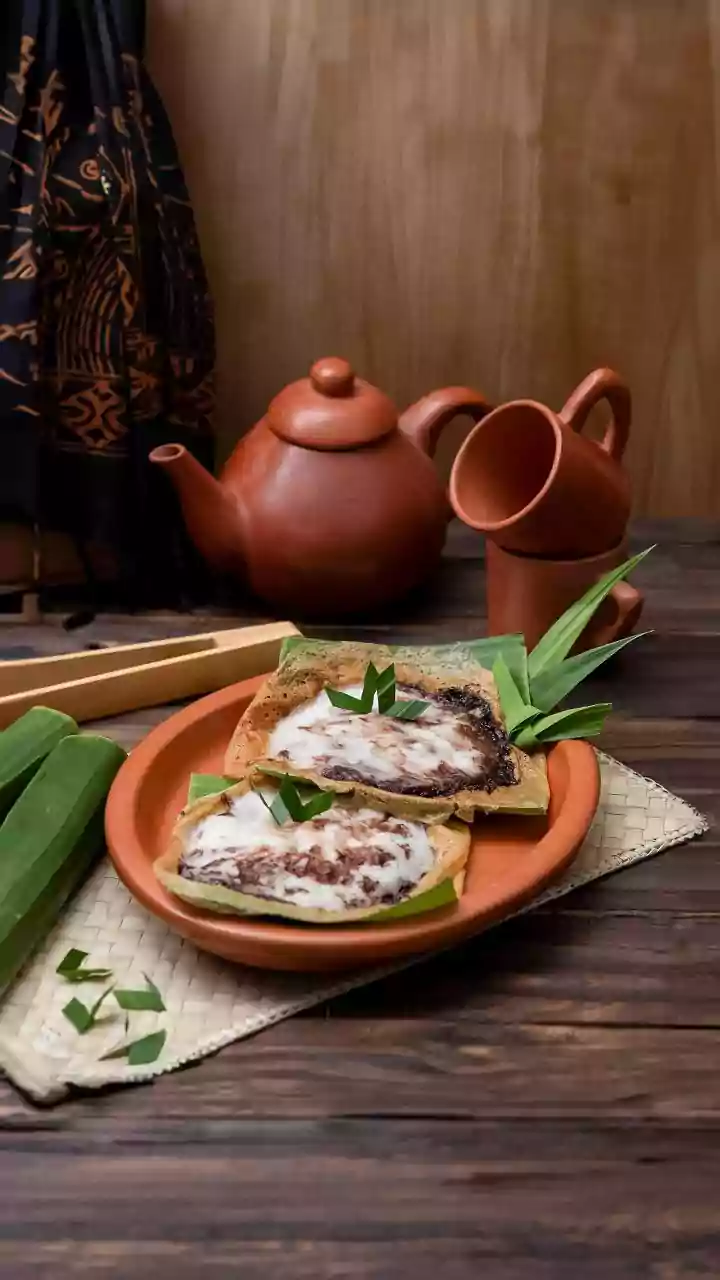
While Bengalis have a deep love for Luchi and Alur Dom, the monsoon often brings out a craving for something steamed and delicate, like Pitha. Pithas are a diverse category of rice cakes found across Bengal, Assam, and Odisha, and come in countless shapes and forms—steamed, fried, or griddled. During the rains, the steamed variety, known as Bhapa Pitha, is particularly comforting. 'Bhapa' literally means steamed. These are typically made from freshly ground rice flour and can be filled with either sweet or savory ingredients. A popular sweet filling consists of a mixture of grated coconut and date palm jaggery (patali gur), which melts into a luscious, gooey centre. The pithas are then steamed, often in small bowls or wrapped in leaves, until they are soft and fragrant. Enjoying a warm, freshly made pitha as the rain falls outside is a nostalgic and soulful experience.
Ghavan from Maharashtra
While Poha is the undisputed king of Maharashtrian breakfasts, the monsoon calls for its more rustic and delicate cousin, Ghavan. Hailing from the Konkan coast, Ghavan is a lacy, paper-thin crepe made from a simple batter of rice flour and water. Unlike a dosa, the batter requires no fermentation, making it a quick and easy option for a weekday morning. The batter is poured onto a hot griddle in a circular motion to create a beautiful net-like pattern. It’s cooked for just a minute or two until the edges become crisp. These soft, plain crepes are incredibly versatile. They can be enjoyed simply with a dollop of coconut chutney or paired with a spicy chicken curry for a more substantial meal. Light on the stomach and comforting, Ghavan is the kind of simple, elegant food that makes a rainy day feel special.