



A Unique Culinary Heritage
Parsi cuisine tells a story over a thousand years old. When Zoroastrians first migrated from Persia to India, they landed on the shores of Gujarat. Over centuries, their culinary traditions merged with their new home. Persian techniques, like using dried
fruits and nuts, met Indian spices like ginger, garlic, and chillies. The result is a unique flavour profile, often described as 'khattu-mithu' or sweet and sour, that sets it apart. While Parsis are predominantly meat-eaters, with eggs, fish, and mutton being staples, their repertoire of vegetarian dishes is equally flavourful and inventive. This is where raw jackfruit, or 'kathal', makes its grand entrance.
The Parsi Club: A Cultural Anchor
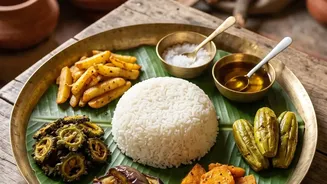
At the heart of the Parsi community are its clubs, social institutions that serve as custodians of culture, tradition, and, most importantly, food. These are places where generations gather, celebrate, and share meals that taste like home. While grand wedding feasts are legendary, it's often the simpler, everyday dishes that hold the most significance. A traditional kathal curry is exactly the kind of dish you might find being served, representing a connection to the land and an adaptation of local ingredients to the distinctive Parsi palate. It’s food that nourishes not just the body, but the community spirit as well.
Kathal: The 'Vegetarian's Meat'
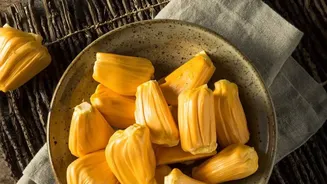
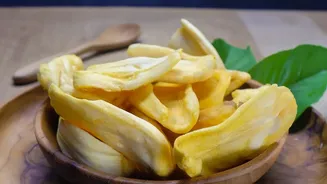
Raw jackfruit is a culinary marvel. Native to parts of South and Southeast Asia, it has been a staple in India for thousands of years. When unripe, its fibrous texture is remarkably similar to that of meat, making it a popular substitute in vegetarian cooking across the country. In Parsi cuisine, where meat dishes are often stewed with vegetables, kathal fits in perfectly, absorbing the rich spices of the curry while providing a satisfying, hearty bite. Packed with nutrients and fibre, it transforms a simple vegetable curry into a substantial meal.
The Parsi Kathal Recipe
This recipe captures the essence of Parsi home cooking. It's lightly spiced, flavourful, and relies on the balance of a few key ingredients. Unlike some richer Indian curries, Parsi cooking often prefers to preserve the core flavour of the main ingredients.Ingredients: 500g raw jackfruit (kathal), peeled and cubed 2 large onions, finely sliced 2 large tomatoes, pureed 1 tbsp ginger-garlic paste 2-3 green chillies, slit 1 tsp cumin seeds 1/2 tsp turmeric powder 1 tsp red chilli powder (adjust to taste) 1 tsp coriander powder 1/2 tsp garam masala A pinch of sugar (optional, for balance) Salt to taste 3 tbsp oil or ghee Fresh coriander leaves, chopped for garnishA Note on Preparation: Peeling and cutting raw jackfruit can be tricky due to its sticky sap. Generously oil your hands and the knife before you begin to make the process easier.
Step-by-Step Instructions
1. First, prepare the jackfruit. After cutting it into cubes, it's a good idea to par-boil or lightly fry the pieces. Heat 1 tbsp of oil in a pan and sauté the jackfruit pieces for 5-7 minutes until they are lightly golden. This step helps them hold their shape and texture in the curry. Set aside.2. In the same pan, add the remaining 2 tbsp of oil. Once hot, add the cumin seeds. When they start to sizzle, add the finely sliced onions and sauté until they turn soft and golden brown.3. Add the ginger-garlic paste and slit green chillies. Cook for another minute until the raw smell disappears.4. Next, add the spice powders: turmeric, red chilli powder, and coriander powder. Stir for about 30 seconds until fragrant.5. Pour in the tomato puree, add salt, and a pinch of sugar if using. Cook the masala on medium heat, stirring occasionally, until the oil begins to separate from the mixture. This indicates that the tomatoes are well-cooked.6. Add the sautéed jackfruit pieces to the masala and mix gently to coat them evenly. Pour in about 1 to 1.5 cups of warm water, depending on your desired gravy consistency.7. Bring the curry to a boil, then reduce the heat, cover the pan, and let it simmer for 15-20 minutes, or until the jackfruit is tender and has absorbed the flavours of the gravy.8. Finally, sprinkle the garam masala and chopped coriander leaves over the curry. Give it one last gentle stir, and it's ready to be served.