


A Global Benchmark in Delhi
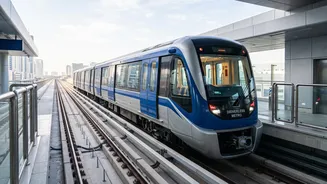
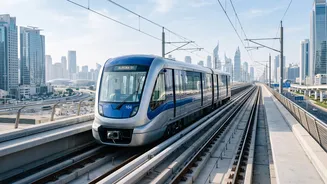
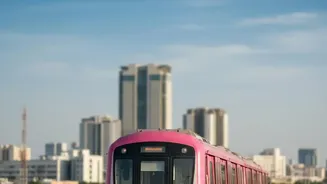
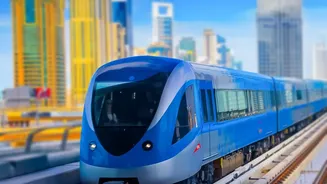
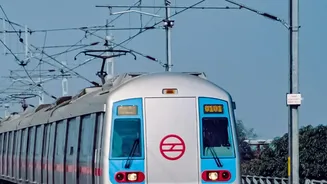
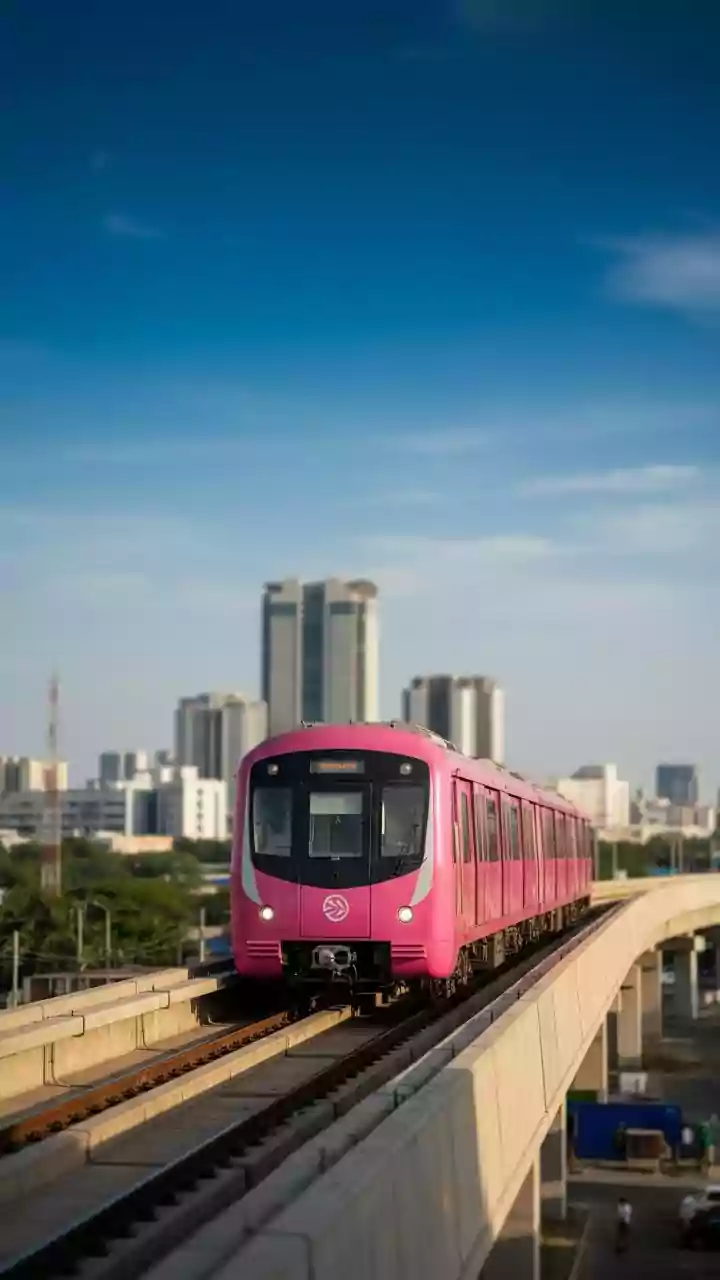
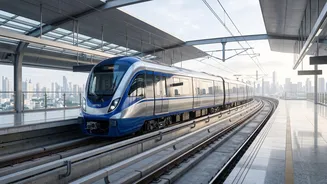
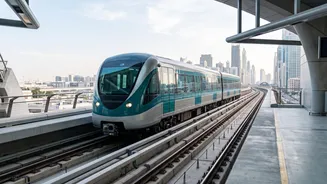
The Delhi Metro Rail Corporation (DMRC) now operates one of the world's largest driverless metro networks. Spanning approximately 120 kilometres across two of its busiest corridors, the Magenta and Pink Lines, this automated system is a landmark achievement
in Indian infrastructure. The scale of this operation places the Delhi Metro as the fourth-largest driverless network globally, a significant milestone since the first automated train was launched in December 2020. The headline-making 'record' was achieved on November 2, 2026, when these two lines alone served a staggering 1.6 million passengers in a single day amid the pre-Diwali rush. This meant that roughly one in every five of the network's eight million daily passengers on that day travelled on a train with no driver in the cabin.
The Technology Behind the Ride
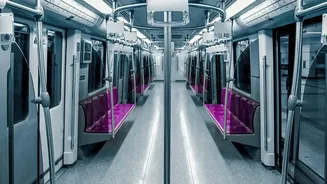
The magic behind these automated journeys is a system called Unattended Train Operation (UTO), which is powered by advanced Communication-Based Train Control (CBTC) signalling technology. Instead of relying on a human driver, the trains are in constant digital communication with a central control centre and trackside equipment. This creates a dynamic, invisible safety bubble around each train, allowing the system to know its precise location and speed down to the metre. This constant data exchange enables trains to run closer together safely, increasing the frequency of service to as little as a few minutes during peak hours. The system handles everything from acceleration and braking to door operations and even automatic parking in the depot, all monitored in real-time by staff at the Operations Control Centre.
More Than Just a Novelty
For the millions of commuters in the National Capital Region, driverless technology offers tangible benefits that go beyond the thrill of looking out the front window. According to DMRC Managing Director Vikas Kumar, the system brings greater flexibility to train operations, significantly reduces the possibility of human error, and improves the availability of coaches for service. The automation of pre-service checks means trains can be made ready for passengers faster, enhancing overall efficiency. Furthermore, this technology allows for features like regenerative braking, where the kinetic energy from a slowing train is converted back into electricity and fed into the grid for another train to use, making the system more energy-efficient. Ultimately, passengers experience a more reliable, punctual, and frequent service.
A Model for India's Future?
The success in Delhi has sparked a national conversation about whether other metro systems across India should follow suit. Proponents point to the clear operational advantages and improved reliability. However, some experts caution against a one-size-fits-all approach, citing the high initial capital investment required and the fact that labour costs in India are much lower than in other countries that have widely adopted this technology. Addressing concerns about job losses, the DMRC has confirmed that none of its roughly 3,000 train operators were laid off. Instead, they were redeployed to other crucial roles within the organization, such as station management and crowd control, repurposing their skills for the new operational reality.
What's Next for Delhi's Driverless Metro
The 120-kilometre network is just the beginning. DMRC plans to expand its driverless operations to a total of 198 kilometres once ongoing Phase 4 projects are completed. The new corridors being built under this expansion are being designed with driverless technology from the ground up. This commitment ensures that Delhi will not only maintain but likely improve its standing as a world leader in automated urban rail. As the network grows, it will continue to serve as a vital artery for the megacity, offering a glimpse into the future of efficient, safe, and sustainable public transportation for the rest of India.