



Zermatt: The Matterhorn Without the Multitudes
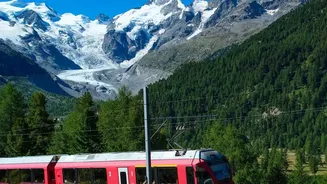
The iconic, pyramid-shaped Matterhorn makes Zermatt a bucket-list destination, but its popularity means crowded viewing platforms and busy streets, especially in peak summer and ski season. The high season for hiking runs from June through September.
Visiting in the shoulder seasons—specifically late June or, even better, from mid-September to mid-October—offers a different experience. In September, the summer crowds have thinned, but most hiking trails and cable cars are still operational. The air is often clearer, providing crisp, phenomenal views of the Matterhorn, and the larch forests begin to turn a brilliant gold, creating a photographer's dream. You’ll find more space on the Gornergrat railway and at the top. The trade-off for an autumn visit is that some higher-altitude huts and trails may begin to close, and there's a chance of early-season snow. Spring shoulder season (May to early June) is also quieter, but many high trails will still be snow-covered.
Jungfrau Region: Beyond the 'Top of Europe' Queues
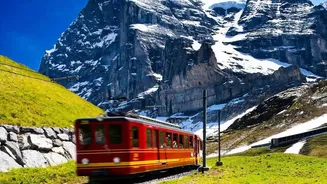
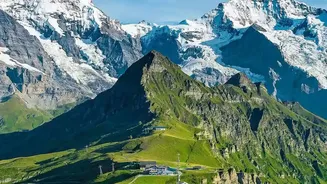
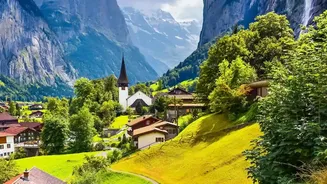
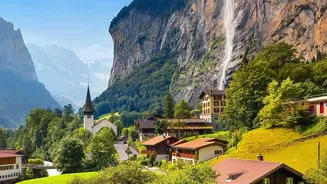
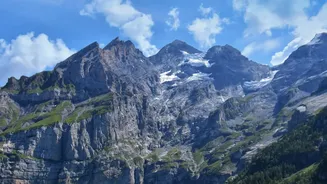
Home to Interlaken, Grindelwald, and Lauterbrunnen, the Jungfrau Region is the heart of the Bernese Oberland and a magnet for tourists. The main draw, the train journey to the Jungfraujoch—the 'Top of Europe'—is notoriously crowded in July and August. The shoulder seasons of late spring (May to June) and early autumn (September to October) are fantastic alternatives. In late spring, the valleys are a vibrant green, waterfalls like Staubbach Falls are at full power, and meadows are carpeted in wildflowers. In September, you'll witness the beginning of autumn colours and often enjoy stable, clear weather, which is perfect for hiking without the summer masses. You'll find it easier to get a good spot on the First Cliff Walk in Grindelwald or a seat on the train up to Schynige Platte. A key consideration for shoulder season is that some lifts and mountain transport close for maintenance between seasons, so it's crucial to check schedules before you go.
Lucerne: A Peaceful Lakeside Perspective
With its medieval Chapel Bridge, frescoed Old Town, and stunning lake surrounded by mountains like Pilatus and Rigi, Lucerne is a postcard brought to life. This also makes it a primary stop for tour groups, and the bridge and waterfront can feel congested during peak summer. Visiting in spring (April-May) or autumn (September-October) allows you to explore the city's cobblestone streets with more breathing room. Autumn offers pleasant temperatures and the chance to see the surrounding hills in warm colours, while spring sees the city bloom. Lake cruises are more serene, and you won't have to jostle for position to get that perfect photo on the Chapel Bridge. While summer has a lively festival atmosphere, the shoulder months provide a more tranquil experience, often with lower hotel prices. One thing to note for spring is that some mountain transport, like the Pilatus cogwheel railway, may still be undergoing maintenance before the summer season starts.
Geneva: Cosmopolitan Charm Without the Crush
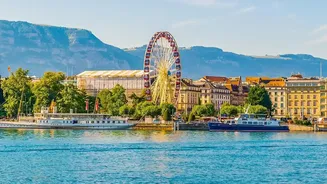
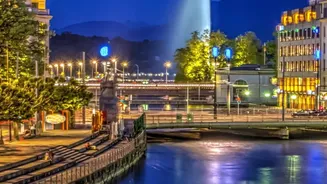
As a global hub for diplomacy and home to the iconic Jet d'Eau, Geneva is bustling in the summer months of July and August. The lakefront promenades, parks, and Old Town squares are at their busiest. To enjoy the city's elegant atmosphere more like a local, consider the shoulder seasons of May-June or September-October. In spring, the city's parks are bursting with flowers, and the pre-haze air can offer sharper views of the distant Mont Blanc. Autumn is particularly special, as the crowds thin out and the vineyards along Lake Geneva enter their harvest season, offering beautiful golden landscapes just a short train ride away. During these times, you can enjoy the city’s world-class museums, take a leisurely boat trip, and wander through the historic streets with significantly fewer people. Prices for accommodations are also generally more moderate than in the peak of summer.
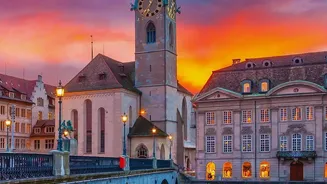
Zurich: The Urban Hub with Seasonal Serenity
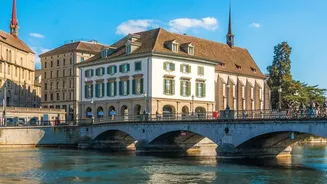
As Switzerland's largest city and a major transportation gateway, Zurich is busy year-round, but summer sees the biggest influx of tourists enjoying the lakeside 'Badis' (swimming areas) and outdoor cafes. For a more relaxed urban experience, the shoulder months of May, September, and October are ideal. During these periods, the weather is often still pleasant enough for strolling along the Limmat River and the shores of Lake Zurich, but the crowds are noticeably thinner. September offers a great balance of warm-enough weather for lake activities with fewer tourists. May brings blooming flowers and a fresh energy to the city before the summer rush begins. You’ll find it easier to get a table at a trendy restaurant in the Niederdorf district or explore the high-end shops of Bahnhofstrasse without the summer congestion. This is the time to experience Zurich as a vibrant, liveable city rather than just a tourist hotspot.