

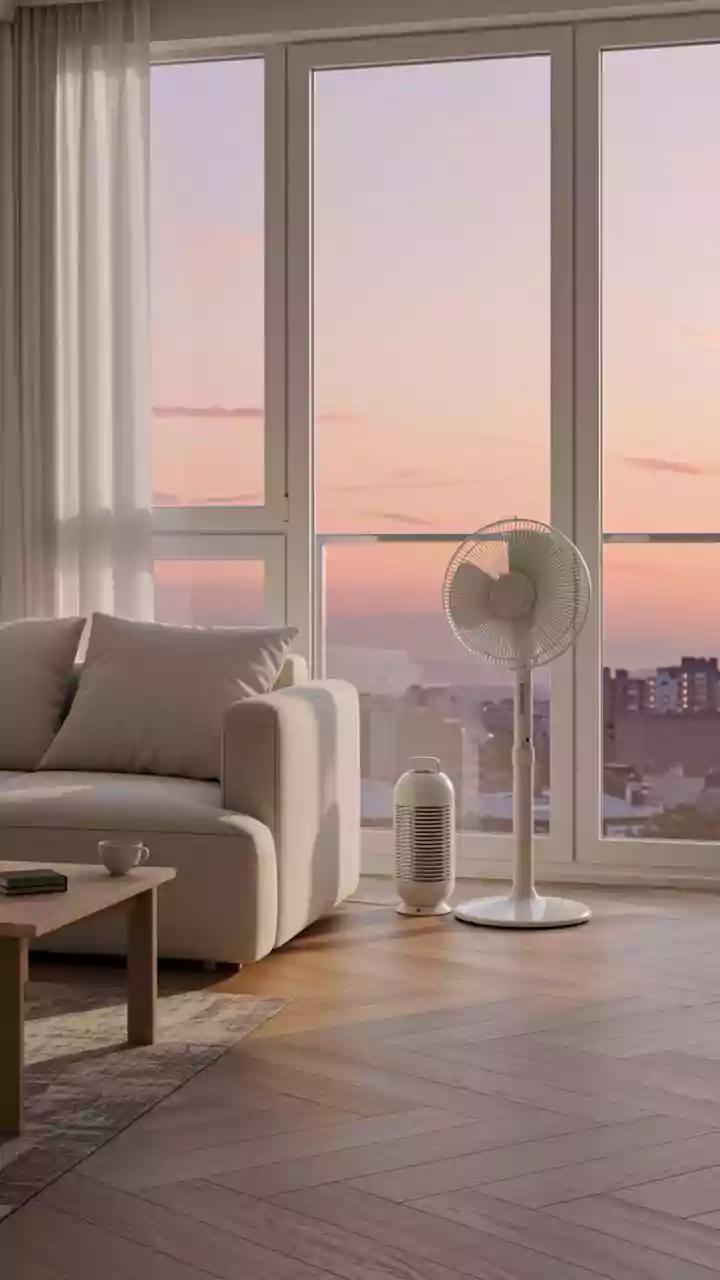
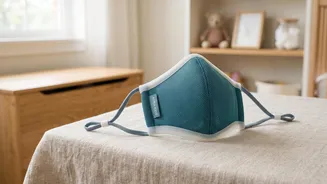


Your home is your sanctuary, but what if the air inside is more polluted than the air outside? In modern, energy-efficient apartments, everyday activities like cooking and burning incense can trap harmful pollutants, impacting your health.
The Invisible Threat in Your Home
The culprit
is tiny, invisible-to-the-naked-eye particles known as PM2.5. This particulate matter consists of solid and liquid droplets so small—less than 2.5 micrometres in diameter—that they can bypass your body’s natural defences, penetrating deep into your lungs and even entering your bloodstream. While we often worry about outdoor air quality, studies consistently show that indoor PM2.5 levels can be two to five times higher than outdoors, especially when activities that generate smoke and fumes are taking place. The average urban resident spends most of their day indoors, making the quality of that air a critical health factor.
Why Modern Apartments Can Be a Trap
Newer apartment buildings are often designed to be energy-efficient, with tight seals around windows and doors to keep air conditioning in and heat out. While this is great for electricity bills, it significantly reduces natural ventilation. Without a steady flow of fresh air, pollutants generated inside have nowhere to go. They become trapped, accumulating over time and leading to concentrations that can affect your well-being. This 'sealed box' effect means that the very features designed for comfort can inadvertently compromise the healthiness of your living space by recirculating dust, allergens, and combustion particles.
Everyday Culprits: Cooking and Incense
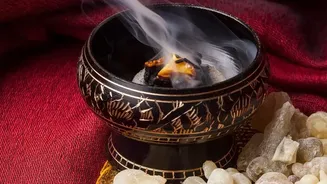
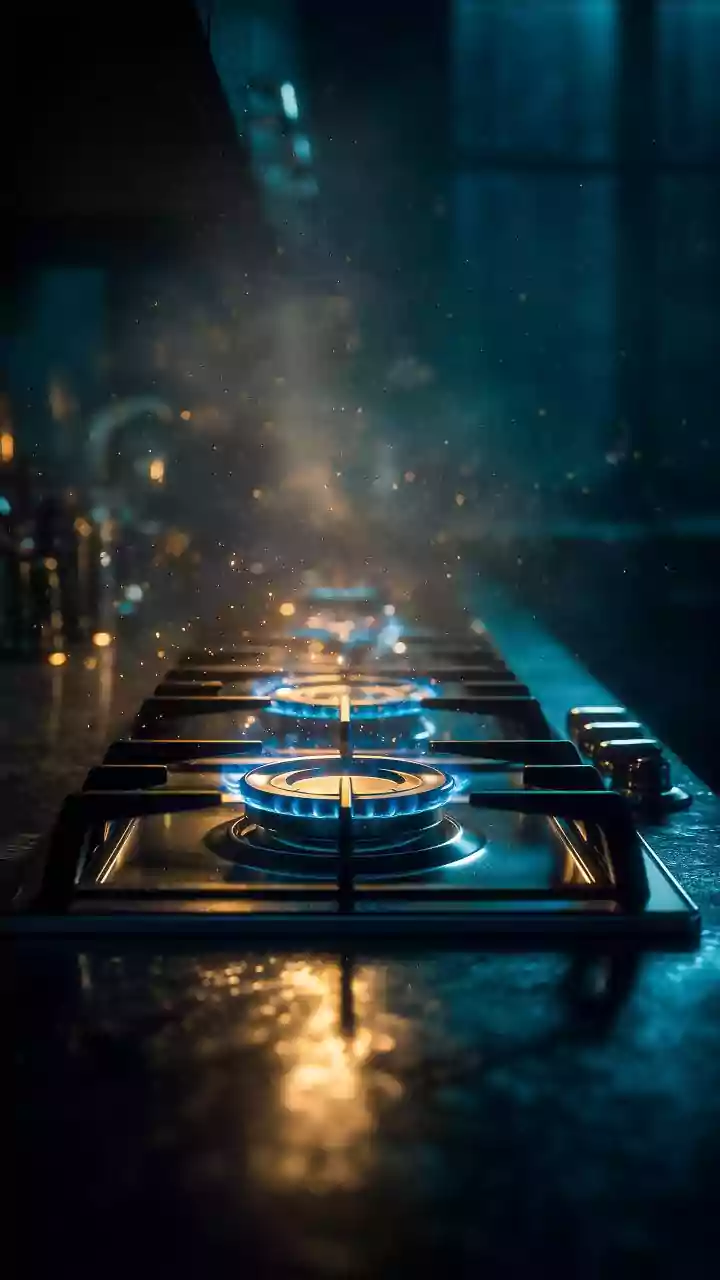
Two of the most significant sources of indoor PM2.5 in Indian households are cooking and burning incense. The daily 'tadka' (tempering spices in hot oil), frying, and grilling can release massive amounts of fine particles into the air. Similarly, burning 'agarbatti' (incense sticks) for cultural or aromatic purposes is a major contributor. Studies show that incense smoke contains a complex mixture of pollutants and that burning just one gram can release four times more particulate matter than a cigarette. These common activities, while part of daily life, can cause sharp spikes in indoor pollution that linger long after the smells have faded.
Health Risks You Can’t Ignore
Long-term exposure to high levels of PM2.5 is linked to a range of serious health issues. It can cause irritation of the eyes, nose, and throat, and trigger coughing and wheezing. More seriously, it can aggravate chronic conditions like asthma and COPD and is associated with an increased risk of respiratory infections, cardiovascular diseases such as heart attacks and strokes, and even lung cancer. The risk is not just for those with pre-existing conditions; even healthy individuals can be affected by poor indoor air quality over time.
Simple Steps for Cleaner Air at Home
The good news is that you have a great deal of control over your indoor air. The key is a two_part strategy: reduce the sources of pollution and improve ventilation. Start by always using your kitchen's exhaust fan or chimney when you cook—and make sure it vents outside. If you don't have one, open windows to create cross_ventilation. Cooking on the back burners often allows for better fume capture by the hood. Consider reducing frying at high temperatures and opting for methods like steaming or baking more often. When burning incense, do so sparingly and near an open window to allow the smoke to escape. Regular dusting and vacuuming with a HEPA filter can also help remove particles that have settled on surfaces.
Should You Invest in an Air Purifier?
For those living in highly polluted cities or in apartments with poor ventilation, an air purifier can be a powerful tool. Look for a model equipped with a High_Efficiency Particulate Air (HEPA) filter, as these are certified to remove at least 99.97% of airborne particles, including PM2.5. Placing a purifier in the bedroom is often recommended, as this is where you spend a significant and continuous amount of time. While a purifier is a highly effective intervention, it works best as part of a layered approach that also includes source control and ventilation.