




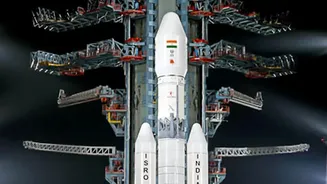
From Government Route to Automatic Lift-Off
Until recently, India's space sector operated under a highly restrictive Foreign Direct Investment (FDI) policy. Any foreign investment in areas like satellite establishment and operation required case-by-case government approval, a process that could
be slow and uncertain. This often acted as a deterrent for global investors looking to tap into India's growing space ambitions. The recent amendments, effective from April 2024, have fundamentally changed this landscape. Instead of a single, restrictive gateway, the policy now offers a multi-lane highway for foreign capital, using the 'automatic route' for a significant portion of the sector. This means investments within the new, higher limits no longer need lengthy government clearance, drastically simplifying the process and signaling a major boost in the ease of doing business.
Understanding the New Investment Tiers
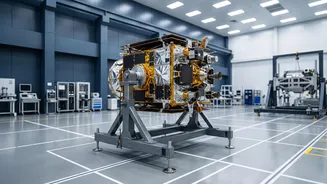
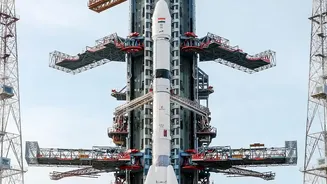
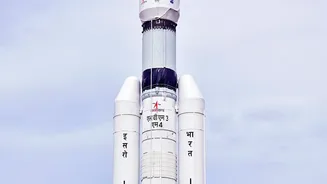
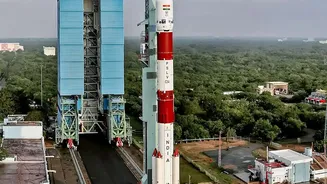
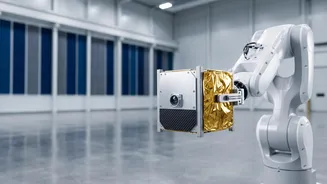
The government has unbundled the space industry into three distinct categories, each with its own clear FDI guidelines. For founders, knowing these tiers is crucial for structuring companies and seeking investment. First, for the manufacturing of components and subsystems for satellites, ground segments, and user equipment, the policy allows 100% FDI through the automatic route. This is a game-changer for building a robust domestic supply chain. Second, for more complex activities like satellite manufacturing and operations, satellite data products, and the entire ground and user segment ecosystem, up to 74% FDI is permitted via the automatic route. Any investment beyond this threshold requires government approval. Third, for capital-intensive domains like launch vehicles, associated systems, and the creation of spaceports, up to 49% FDI is allowed under the automatic route, with the government route applicable for higher stakes.
The Big Opportunity for Your Startup
This policy shift is more than just about numbers; it’s a strategic catalyst for growth. For Indian space-tech founders, the most immediate benefit is access to a much larger pool of capital. Startups working on everything from satellite components to downstream data applications can now more easily attract foreign funding to scale their operations. Beyond just money, this opens doors to technology transfers, global expertise, and strategic partnerships with established international players. Indian startups can integrate into the global aerospace supply chain, moving from being local suppliers to globally competitive enterprises. The influx of capital is expected to fuel innovation, accelerate product development, and help Indian companies achieve a greater share of the global space economy, which is projected to grow significantly in the coming years.
Navigating the New Trajectory
While the opportunities are immense, founders must also navigate potential challenges. The entry of global giants, flush with capital and advanced technology, will undoubtedly increase competition in the domestic market. Indian startups will need to sharpen their value proposition and innovate rapidly to stay ahead. Furthermore, while the automatic route simplifies investment, the space sector remains highly regulated. Companies must still adhere to guidelines from the Department of Space and obtain necessary authorisations from the Indian National Space Promotion and Authorisation Center (IN-SPACe). Understanding the regulatory framework, particularly for activities that cross the automatic-route threshold into the government-approval route, will be critical for a smooth journey from funding to launch.
Fueling 'Make in India' in Space
The liberalised FDI policy is a core component of the government's broader 'Atmanirbhar Bharat' and 'Make in India' ambitions. The goal is not just to attract foreign money, but to use it to build a self-reliant and powerful domestic space industry. By allowing 100% FDI in component manufacturing, the policy encourages global companies to set up production facilities in India, creating jobs and building a world-class manufacturing ecosystem. This strategic move aims to shift the Indian Space Research Organisation's (ISRO) role from being the primary operator to a mentor and R&D powerhouse, allowing a vibrant private sector to handle commercial activities. This creates a win-win scenario: foreign investors gain access to a high-potential market with skilled talent, while India builds sovereign capacity and becomes a key player in the global space economy.