
The New Kitchen Staples
The change often starts with simple, deliberate swaps. White rice is making way for brown rice or quinoa. Refined sugar is being replaced by jaggery, and highly processed oils are giving way to cold-pressed alternatives like groundnut or sesame oil. But
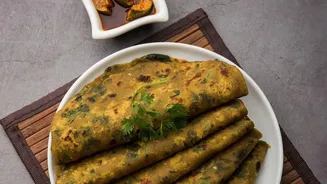
the most significant comeback is that of millets. Grains like ragi (finger millet), jowar (sorghum), and bajra (pearl millet), once considered staples before the Green Revolution made wheat and rice ubiquitous, are being celebrated again. These ancient grains are not just nostalgic; they are nutritional powerhouses, rich in fibre, iron, and other essential micronutrients. Families are incorporating them by blending millet flour into their daily roti atta, preparing millet-based porridges for breakfast, or making modern snacks like ragi cookies.
Tradition Remixed, Not Replaced
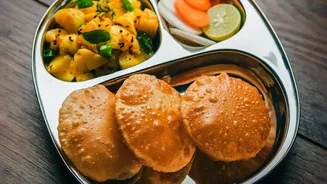
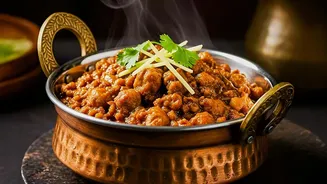
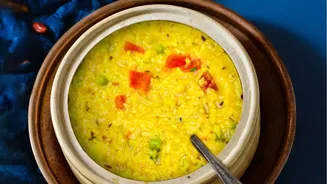
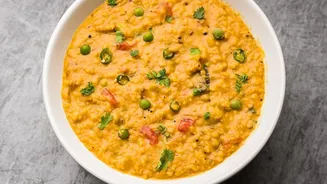
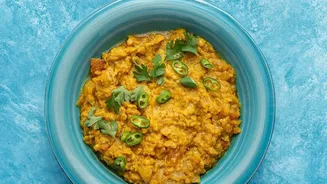
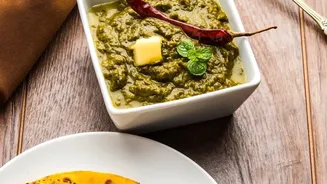
This movement isn't about abandoning the comforting flavours of 'ghar ka khana'. Instead, it’s about making traditional food work for a modern, health-conscious lifestyle. Nutritionists emphasize that the foundation of Indian home cooking—dal, sabzi, roti, and rice—is inherently balanced. The makeover lies in the details: reducing oil, managing portion sizes, and ensuring every meal includes a source of protein like dal, paneer, or legumes. It’s a return to the wisdom of grandparents, who cooked with seasonal vegetables and whole foods long before they became trending topics. The focus is on enhancing the nutritional value of beloved dishes, like a palak paneer rich in iron and protein or a dal packed with fibre, rather than replacing them with foreign health foods.
The Social Media Effect
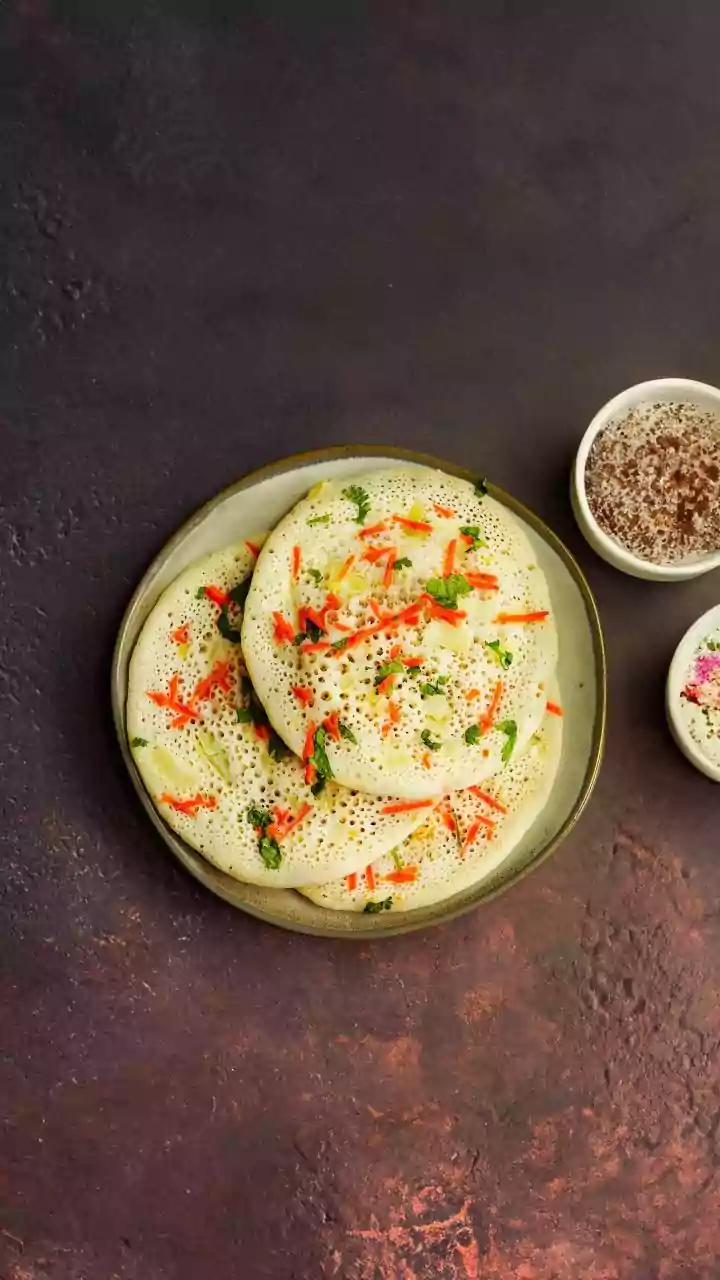
This shift is being amplified and accelerated by social media. Food bloggers and health influencers on platforms like Instagram and YouTube are demystifying healthy cooking, sharing recipes for everything from millet dosas to nutritious takes on classic curries. They provide a constant stream of inspiration and practical advice, making it easier for busy families to experiment. Hashtags related to healthy Indian food create a community of conscious eaters who share tips and encouragement. This digital movement has also helped rebrand traditional ingredients like millets, positioning them not as 'poor man's food' but as 'heritage grains' that are both healthy and climate-smart.
Drivers of the Change
Several factors are fuelling this culinary evolution. A growing awareness of lifestyle-related health issues, such as diabetes and heart disease, is a primary motivator. Reports indicating that a significant portion of India's disease burden is linked to poor diets have spurred many to take proactive control of their health. More than half of Indian consumers now say they actively manage their diet to improve their wellness. This proactive stance is supported by greater access to information and a marketplace that is responding with healthier product options. From atta fortified with whole grains to a wider availability of organic produce, making healthy choices is becoming more convenient for the average family.