


Why Go Caving in the Monsoon?
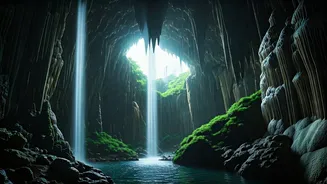
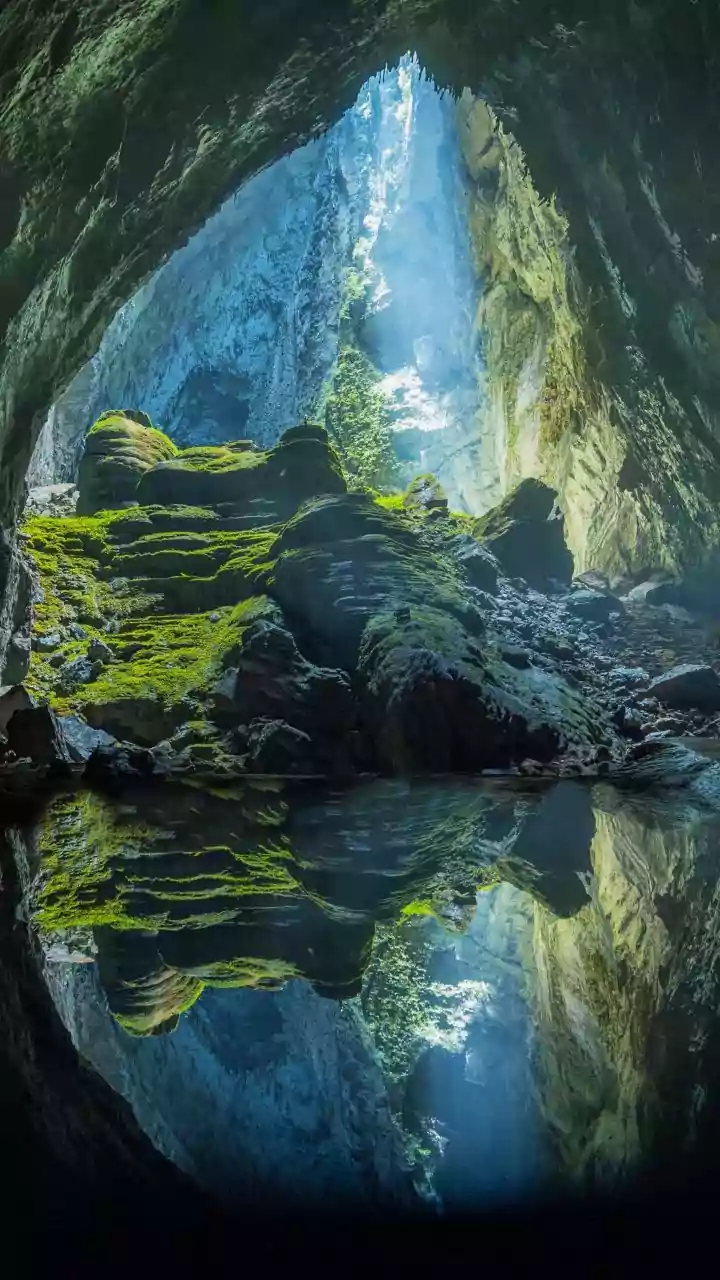
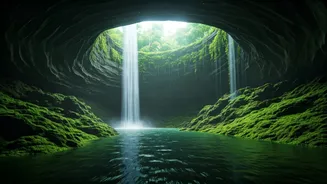
While hiking trails turn into slippery mud baths, the world underground comes alive in a completely different way during the rains. Monsoon caving, or spelunking, offers a unique perspective. Seasonal waterfalls appear inside cave mouths, streams swell
into gentle underground rivers, and the entire ecosystem feels more dynamic. It’s an all-weather adventure that doesn't depend on clear skies. For thrill-seekers tired of the usual, descending into the earth’s ancient corridors provides a potent mix of mystery, geology, and physical challenge. Plus, the cool, constant temperature inside is a welcome escape from the humid monsoon weather.
Meghalaya: India's Caving Epicentre
When you talk about caving in India, you have to start with Meghalaya. Known as the 'Abode of Clouds', it could just as easily be called the 'Abode of Caves'. The state is home to some of the longest and most complex cave systems in the subcontinent, carved into its limestone and sandstone hills. During the monsoon, these caves transform. The experience is less about dry exploration and more about navigating a subterranean world teeming with life and flowing water. Most of the popular caves are located around the Cherrapunji (Sohra) and Jowai regions, making it a perfect hub for your underground adventures. Many local tour operators offer guided expeditions, from beginner-friendly walks to multi-day explorations.
Mawsmai Cave: The Perfect Introduction
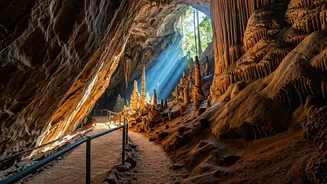
If you're new to the world of caving, Mawsmai Cave near Cherrapunji is the ideal starting point. It’s one of the most accessible and well-maintained caves in Meghalaya, with a lit section that allows for a safe and awe-inspiring introduction. Even in this relatively controlled environment, the monsoon adds a layer of excitement. Water drips constantly from the stalactites, creating a mesmerising soundscape, and small streams flow across the cave floor. You’ll have to duck and squeeze through some passages, giving you a real taste of spelunking without the technical difficulty. It’s a short walk-through, but it’s packed with impressive calcite formations and deep chambers that will leave you wanting to explore more.
Krem Liat Prah: For the True Explorer
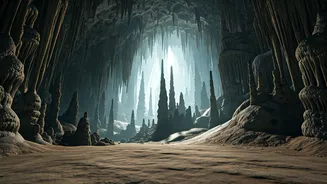
For those with a serious appetite for adventure, Krem Liat Prah is the holy grail. As one of the longest caves in India, exploring it is a true expedition. Located in the Jaintia Hills, this is not a casual tour; it requires proper gear, physical fitness, and an experienced guide. Inside, you’ll encounter a massive trunk passage known as the 'Aircraft Hangar' and navigate through vast, dark chambers. In the monsoon, parts of the cave can be partially submerged, requiring you to wade through waist-deep water. It's a challenging and raw experience that takes you far from the tourist trail and deep into the heart of the earth. This is where adventure lovers find their ultimate monsoon challenge.
Belum Caves: Andhra's Subterranean Wonder
Moving away from the Northeast, the Belum Caves in Andhra Pradesh offer a completely different but equally fascinating underground experience. As the second-longest cave system on the Indian plains, Belum is known for its long passages, spacious chambers, and unique geological formations, including stunning stalactite and stalagmite structures. While the region sees less rain than Meghalaya, the monsoon season provides a cooler climate for exploring. The caves have a dedicated section for tourists with lighting and pathways, but there are still deeper, more challenging sections for the adventurous. A key attraction is the Patalaganga, a perennial stream deep inside the cave that is especially active during the wetter months.
Safety is Non-Negotiable
The allure of underground exploration is strong, but safety must always be the top priority. Never go caving alone, especially in the monsoon when conditions can change unexpectedly. Always hire a certified local guide who knows the cave system intimately. Wear appropriate gear: sturdy, non-slip footwear is essential, as is a good helmet and a reliable headlamp with extra batteries. Dress in clothes you don’t mind getting wet and muddy. Inform someone of your plans before you head out. Flash floods can be a real danger in some cave systems during heavy rain, so paying attention to weather forecasts and guide instructions is critical. Responsible caving ensures that you and the fragile cave ecosystem both remain safe.