



What Is Dietary Fibre and Why Do We Need It?
Dietary fibre is the indigestible part of plant foods, like fruits, vegetables, and whole grains. It plays a vital role in our health, contributing to regular bowel movements, promoting gut health, and helping to manage weight by making us feel fuller
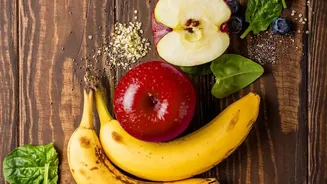
for longer. Soluble fibre, found in oats, beans, and fruits like apples, can help lower cholesterol and stabilise blood sugar levels. Insoluble fibre adds bulk to stool, aiding digestion. A high-fibre diet is linked to a reduced risk of chronic diseases, including heart disease, type 2 diabetes, and certain cancers.
How Juicing Removes Fibre
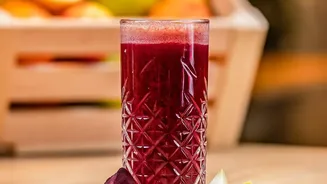
The fundamental difference between eating a whole fruit and drinking its juice comes down to the process. Juicers, particularly centrifugal ones, work by shredding produce at high speeds and using force to separate the liquid from the solid parts—the pulp, skin, and seeds. This process is designed to extract a smooth, pulp-free liquid, but it's precisely this pulp and skin that contains the vast majority of the fruit's dietary fibre. What's left is a concentrated source of the fruit's water and sugar, along with some vitamins and minerals, but largely stripped of the fibre that makes whole fruit so beneficial.
Whole Fruit vs. Juice: The Blood Sugar Difference
When you eat a whole fruit, the fibre slows down the absorption of its natural sugars into your bloodstream. This leads to a more gradual rise in blood glucose levels, providing sustained energy. Fruit juice, on the other hand, delivers a rapid dose of what the World Health Organization classifies as 'free sugars', similar to those in sugary drinks. Without fibre to slow it down, this rush of sugar can cause a sharp spike in blood glucose and insulin levels, which may be followed by a crash, leaving you feeling hungry again soon after. Long-term, a diet high in fruit juice has been linked to a higher risk of type 2 diabetes, whereas a diet rich in whole fruits is associated with a lower risk.
Are Smoothies a Better Alternative?
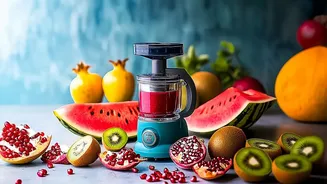
Unlike juicing, blending a fruit into a smoothie retains all its parts, including the skin and pulp. This means that a smoothie contains the same amount of fibre as the whole fruit it was made from. Because the fibre is still present, smoothies are more filling than juice and lead to a more balanced, gradual absorption of nutrients. This makes them a more suitable meal replacement or a filling snack. While blending breaks down the fruit's cellular structure, studies suggest it still offers a more controlled glucose response compared to juice because the fibre is retained. You can also add other nutrient-dense ingredients like protein powder, nuts, or seeds to a smoothie, which is not possible with a juicer.
A Practical Guide to Your Fruit Intake
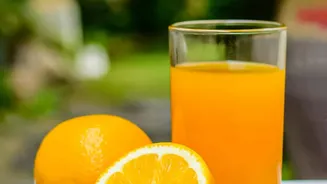
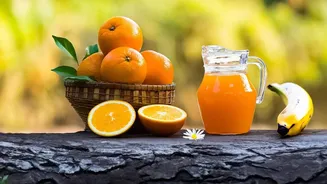
For maximum health benefits, prioritising whole fruits is the clear winner. An orange is better than orange juice; an apple is better than apple juice. The fibre, antioxidants, and structure of the whole food provide satiety and a slower release of energy. If you enjoy juice, consider it an occasional treat rather than a daily health staple. Keep portions small (around 150ml) and try to have it with a meal that contains protein and healthy fats to buffer the sugar response. When possible, opt for smoothies over juices to retain the beneficial fibre. Ultimately, the goal is to consume more fruits and vegetables, and eating them in their natural, whole form is the most effective way to reap all their nutritional rewards.