



What is a Freestanding Larder?
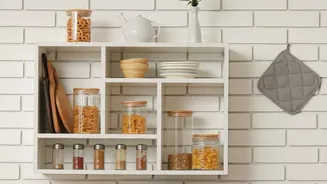
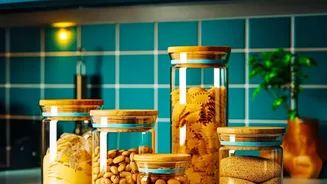
Before refrigerators were a household staple, a larder was a cool, dedicated space for storing perishable foods. Today, the term has evolved to describe a standalone piece of furniture, a tall cupboard designed to house all your dry goods, from spices
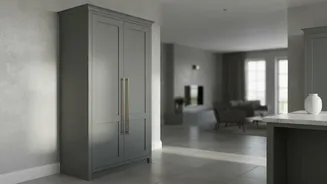
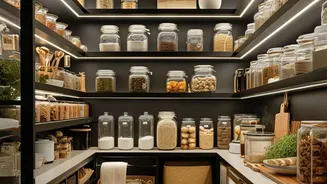
and grains to snacks and canned items. Unlike a built-in pantry that is integrated with your cabinetry, a freestanding larder is a singular, movable unit. This flexibility is one of the key reasons for its renewed popularity, especially for those in rental homes or anyone who isn't ready for a full kitchen renovation. Think of it as a handsome, oversized cabinet that acts as a centralized hub for all your non-refrigerated foods.
A Classic Returns: Why Now?
The resurgence of the freestanding larder isn't just about nostalgia; it’s a practical response to modern living. As urban homes and apartment kitchens become more compact, smart storage solutions are essential. The freestanding larder offers maximum storage on a minimal footprint. Furthermore, there is a growing design trend towards the 'unfitted kitchen,' where instead of uniform, wall-to-wall cabinets, individual pieces of furniture create a more collected and personal look. The larder fits this aesthetic perfectly. It also allows homeowners to hide away the visual clutter of everyday items, keeping countertops clear and the kitchen looking serene and organised. Social media's obsession with perfectly organised pantries has also made the larder an aspirational piece, a 'little luxury that brings so much everyday functionality'.
The Practical Benefits of a Larder
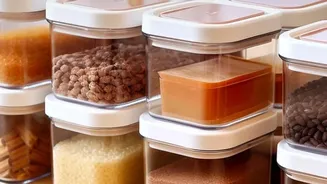
The primary advantage of a larder is having all your dry foods in one dedicated, easy-to-view space. No more rummaging through multiple cupboards to find a single ingredient. This level of organisation can also help reduce food waste, as you're less likely to forget about items hidden at the back of a deep shelf. Beyond food, a larder frees up valuable cabinet and counter space, providing a home for bulky appliances, extra tableware, or linens. Modern larders come with incredibly versatile interiors, often featuring a combination of adjustable shelves, pull-out drawers, and racks for spices or wine, allowing you to customise the space to your exact needs.
Finding the Perfect Larder for Your Home
Freestanding larders are available in a vast array of styles, materials, and sizes. For a classic, farmhouse feel, a rustic wooden unit can add warmth and character. If your kitchen is contemporary, a sleek larder in a bold colour or with clean, minimalist lines can serve as a stunning focal point. Materials range from traditional woods to stainless steel for a professional, clean look. Before buying, measure your space carefully. Consider not just the floor area but also the height, ensuring there's enough clearance. Also think about the internal configuration that will best serve your family—do you need more deep drawers for snacks or tall shelves for cereal boxes and bulk items?
Making it Work in Your Indian Kitchen
Integrating a larder into an existing kitchen is simpler than you might think. It can be placed against a free wall in the kitchen or even in an adjacent dining area. To make it feel cohesive, you can choose a finish that complements your existing cabinetry or, for a bolder statement, one that contrasts beautifully. You can even paint it to match your wall colour to create the illusion of more space. For Indian homes, it's wise to ensure the larder has well-sealed doors to protect dry goods from humidity and pests. Placing it away from direct sunlight and heat sources will also help preserve the quality of your stored ingredients.