






Peace Lily (Spathiphyllum)
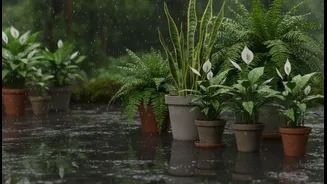
The Peace Lily is an elegant choice for the monsoon season. Its glossy, dark green leaves and beautiful white spathe-like flowers bring a touch of grace to any room. More importantly, it is one of the best plants for controlling indoor humidity by absorbing
excess moisture from the air, which can help reduce the chances of mould growth. This plant is also a renowned air purifier, effectively removing common toxins like ammonia and formaldehyde. It prefers low to indirect light and will visibly droop when it needs water, making it incredibly easy to care for, even for beginners. During the humid July weather, be careful not to overwater; wait until the top soil feels dry.
Snake Plant (Sansevieria trifasciata)
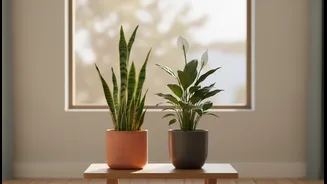
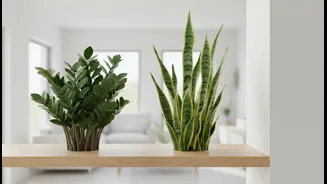
Often called the most resilient houseplant, the Snake Plant is a champion in high-humidity conditions and requires very little maintenance. Its stiff, architectural leaves make it a modern statement piece. One of its standout features is its ability to perform photosynthesis at night, releasing oxygen while you sleep, which makes it an excellent choice for bedrooms. It's also a powerhouse at filtering indoor air pollutants. Snake plants are succulents, meaning they store water in their leaves. In the damp monsoon weather, they require even less watering, as the soil will take longer to dry out. They are quite tolerant of low light, making them suitable for almost any corner of your home.
Money Plant (Epipremnum aureum)
The Money Plant, or Pothos, is arguably the most popular indoor plant in Indian households. It's incredibly forgiving and thrives during the monsoon, growing rapidly in the humid weather. Its trailing vines with heart-shaped leaves can be styled in hanging baskets or trained to climb, adding a refreshing green element to your decor. Money plants are excellent air purifiers and are very easy to propagate in either water or soil. During July, if your plant is in soil, ensure the pot has good drainage to prevent root rot from the constant moisture in the air. If it's growing in water, change the water weekly to keep it fresh.
Spider Plant (Chlorophytum comosum)
With its cheerful, arching leaves, the Spider Plant is a fast-growing plant that adapts well to the humidity of the monsoon season. It's known for producing little plantlets, or "spiderettes," that dangle from the mother plant, which are easy to repot. Spider Plants are fantastic air purifiers, known for their ability to remove formaldehyde and carbon monoxide from the air. They are also non-toxic, making them a safe choice for homes with pets and children. They handle excess moisture well but still need well-draining soil. Place them in a spot with bright, indirect light for the best results.
Boston Fern (Nephrolepis exaltata)
Ferns are classic humidity-loving plants, and the Boston Fern is a prime example. Its lush, feathery fronds bring a soft, tropical feel to indoor spaces and thrive in the moisture-laden air of the monsoon. In fact, they are considered one of the most efficient air-purifying plants. Due to their love for moisture, they are perfect for bathrooms or kitchens, which are naturally more humid. During July, ensure they receive indirect sunlight and keep their soil consistently moist but not waterlogged. Misting the leaves can also help them stay vibrant, mimicking their natural rainforest habitat.
Areca Palm (Dypsis lutescens)
For those looking to make a bigger statement, the Areca Palm is an excellent choice. Its feathery, arching fronds create a tropical vibe and it acts as a natural humidifier, releasing moisture into the air. This quality helps balance the indoor climate during damp weather. The plant is also effective at filtering common indoor air pollutants. Areca Palms prefer bright, indirect sunlight and consistently moist soil. Wiping their leaves occasionally will keep them dust-free and healthy, allowing them to breathe better, especially in the stuffy indoor air of the rainy season.