
The Perfect Cup of Cardamom Tea
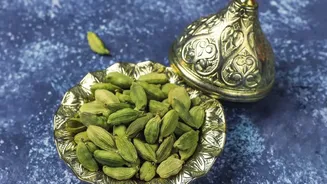
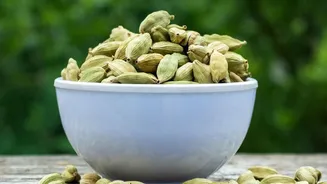
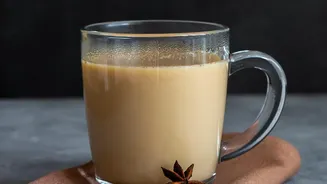
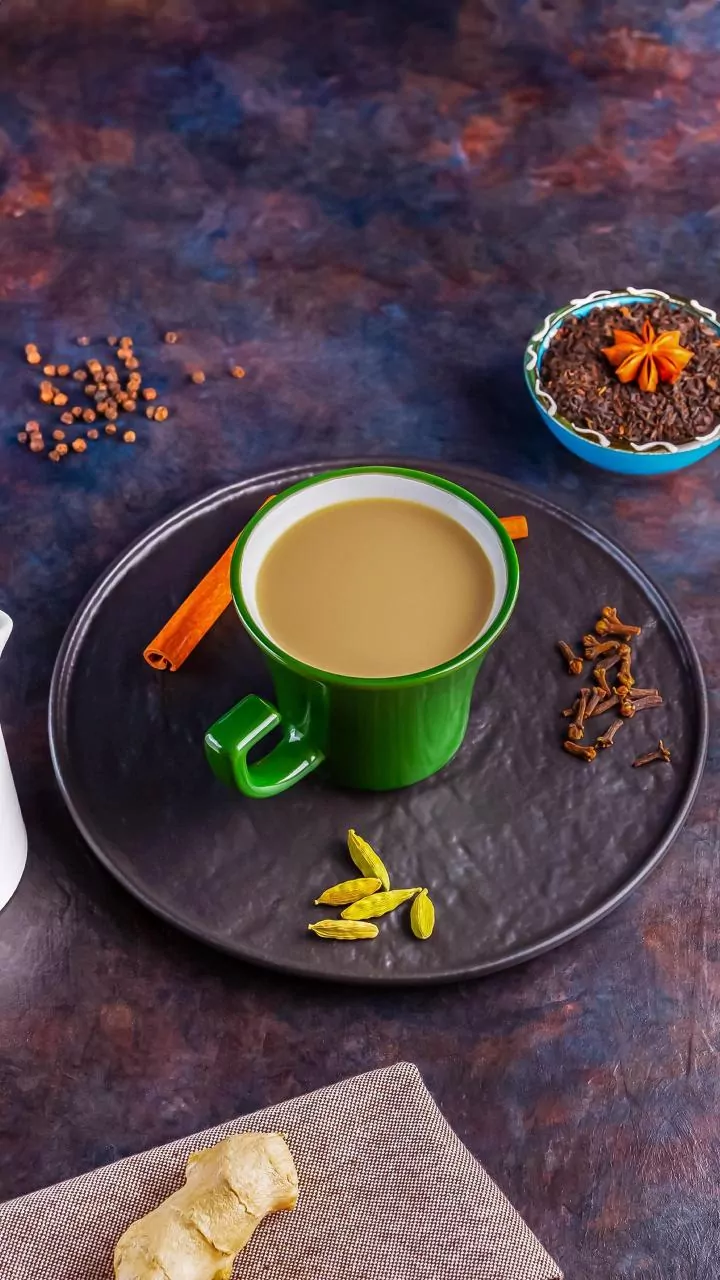
Making cardamom tea is wonderfully simple. The key is to gently crush whole green cardamom pods before using them. Press down on two or three pods with the flat side of a knife until they split open, exposing the tiny, aromatic seeds within. This act
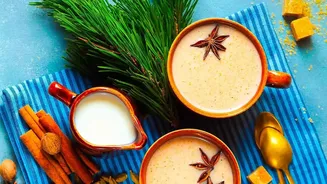
releases the essential oils responsible for cardamom's signature floral, citrusy, and slightly minty fragrance. For a pure, caffeine-free infusion, simply simmer the crushed pods in hot water for about eight to ten minutes. For a richer experience akin to classic masala chai, simmer the pods in a mix of milk and water before adding strong black tea leaves and your preferred sweetener. The sustained, gentle heat of simmering is crucial, as it draws out the complex flavours far more effectively than a quick steep.
The Queen of Spices
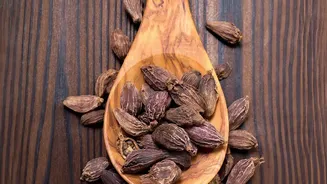
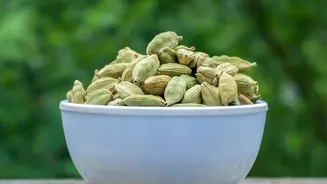
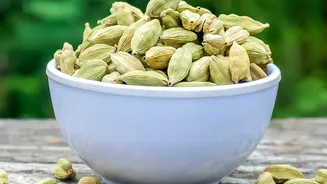
Often called the 'Queen of Spices', cardamom holds a cherished place in Indian culture and cuisine. It comes in two main varieties: green and black. Green cardamom (choti elaichi) is the most common, known for its sweet, floral aroma that complements both sweet and savoury dishes. Black cardamom (badi elaichi) is larger, with a distinctly smoky and earthy profile, making it a specialist for robust, slow-cooked meat and lentil dishes. The two are not interchangeable; using black cardamom in a dessert, for instance, would impart a jarring smoky taste. Green cardamom is the versatile star you'll find in everything from biryani to sweets.
A Staple in Savoury Dishes
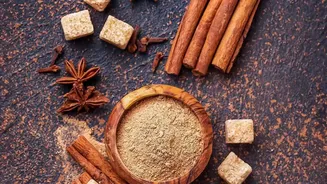
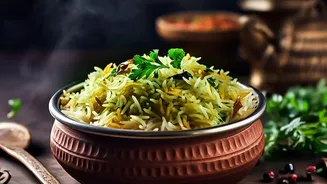
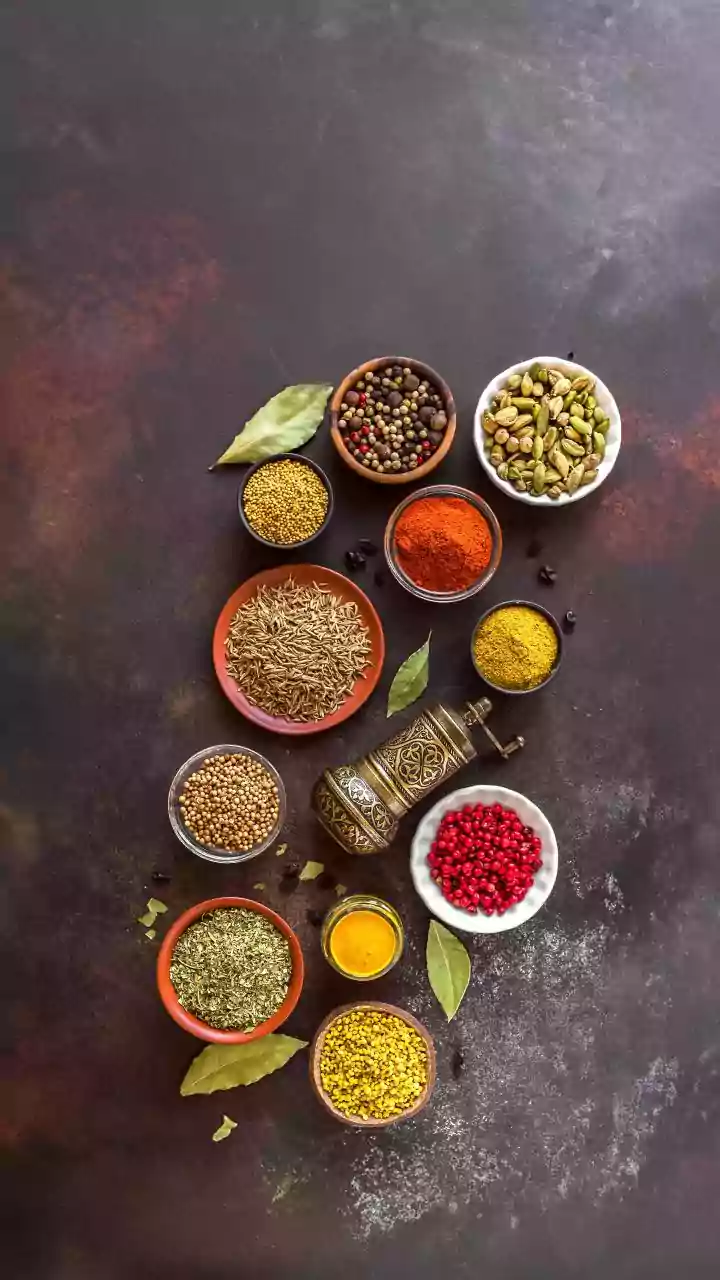
In savoury cooking, whole green cardamom pods are a foundational element. They are often added to hot oil or ghee at the beginning of the cooking process, along with other whole spices like cloves and cinnamon, to infuse the base with a subtle, aromatic warmth. This technique is essential in creating the complex layers of flavour found in dishes like biryani, pulao, and creamy kormas. Cardamom is also a key ingredient in garam masala, the ubiquitous Indian spice blend, where its sweet notes help to balance the heat of other spices and round out the overall flavour profile.
The Soul of Indian Sweets
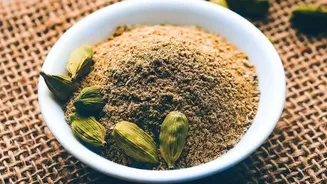
Nowhere does green cardamom's fragrance shine more brightly than in the world of Indian sweets (mithai). It is the signature aroma in countless classics, from the creamy rice pudding known as kheer to the rich carrot-based gajar halwa and the syrupy dumplings of gulab jamun. Often, the spice is used in two ways in a single recipe: whole pods are simmered in milk to build a deep, mellow fragrance, and a final sprinkle of freshly ground cardamom is added at the end for a bright, aromatic finish. This layering technique showcases the spice's versatility and its ability to elevate a simple dessert into a festive delicacy.
A Nod to Wellness
Beyond its culinary uses, cardamom has been valued in traditional wellness practices like Ayurveda for centuries. It is known as a 'carminative', traditionally used to aid digestion, ease bloating, and relieve feelings of heaviness after a meal. Chewing on a pod after eating is an ancient practice for freshening breath, thanks to a natural antiseptic compound called cineole that helps combat oral bacteria. While modern research is exploring its potential benefits for blood sugar balance and inflammation, its role as a soothing digestive aid remains its most celebrated traditional use.
Buying and Storing for Freshness
To experience cardamom's full potential, always buy whole green pods rather than pre-ground powder. The pod acts as a natural protective shell, preserving the volatile aromatic oils of the seeds inside. Pre-ground cardamom loses its fragrance and flavour very quickly. Look for pods that are bright green and fragrant. Store them in an airtight container, like a glass jar, in a cool, dark place away from heat and sunlight. When stored properly, whole pods can retain their potency for up to a year or more. For the best flavour, grind the seeds from the pods yourself just before you need to use them.