


For decades, Indian food on the global stage was defined by a few rich, heavy dishes. But a quiet revolution is underway, turning the spotlight back home to the country's vast and varied regional cuisines that have been inherently healthy all along.
Moving Beyond the Monolith
Indian
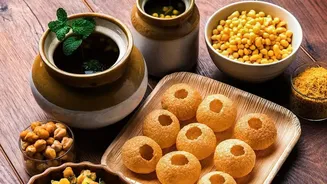
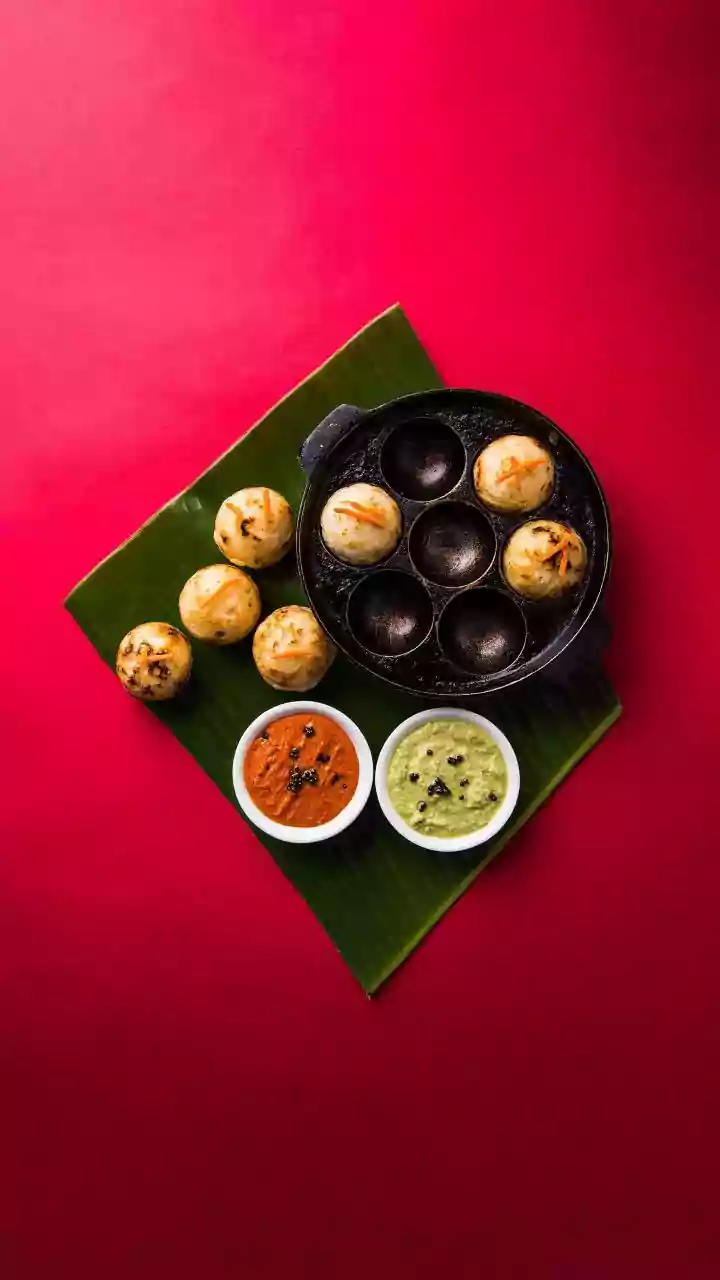
cuisine is not a single entity; it's a vibrant collection of thousands of distinct culinary traditions, shaped by millennia of history, climate, and culture. From the steamed, fermented foods of the south to the millet-based meals of the west and the foraged greens of the north-east, plant-based eating has been a cornerstone of daily life for centuries. The misconception of Indian food as universally heavy and indulgent often stems from the popularisation of restaurant-style Mughlai or Punjabi fare. However, a cultural shift is bringing lesser-known regional specialities to the forefront. This evolution is driven by a collective desire to rediscover authentic flavours that are both delicious and aligned with a modern, health-conscious lifestyle. Dishes that were once confined to family kitchens are now celebrated on a national stage, challenging the old narrative and revealing the true diversity of India’s culinary heritage.
The Modern Quest for Wellness
A growing global and national focus on wellness has prompted a re-evaluation of our diets. Consumers are increasingly wary of processed foods and are seeking out meals that are natural, nutritious, and sustainable. This is where regional Indian plant-based recipes shine. Many of these traditional diets are naturally rich in fibre, low in unhealthy fats, and packed with plant-based protein from lentils, chickpeas, and beans. A recent survey showed that a majority of Indians prefer plant-based foods, citing health and environmental benefits. This conscious choice is fuelling a movement that looks to the past for answers to modern health challenges like heart disease and diabetes. The principles of Ayurveda, which emphasize balance and the medicinal properties of food, are finding a new, receptive audience looking for holistic well-being.
Champions of Regional Flavours
This culinary renaissance is being led by a new generation of chefs, home cooks, and food entrepreneurs. Chefs are moving away from pan-Indian menus to create dining experiences that celebrate the unique character of specific regions, from Tamil Nadu to Maharashtra’s Konkan coast. They are building their menus around hyper-regional and indigenous ingredients—like foraged greens, ancient grains, and local spices—that have been overlooked for decades. Restaurants are earning accolades for showcasing the food of rural villages and forgotten recipes, proving that authenticity has a place in fine dining. This movement is also amplified by social media, where food bloggers and influencers share family recipes and explore the culinary backroads of the country, inspiring their followers to cook and eat with a deeper connection to their heritage.
The Science Behind Tradition
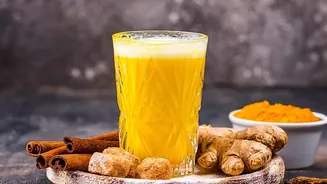
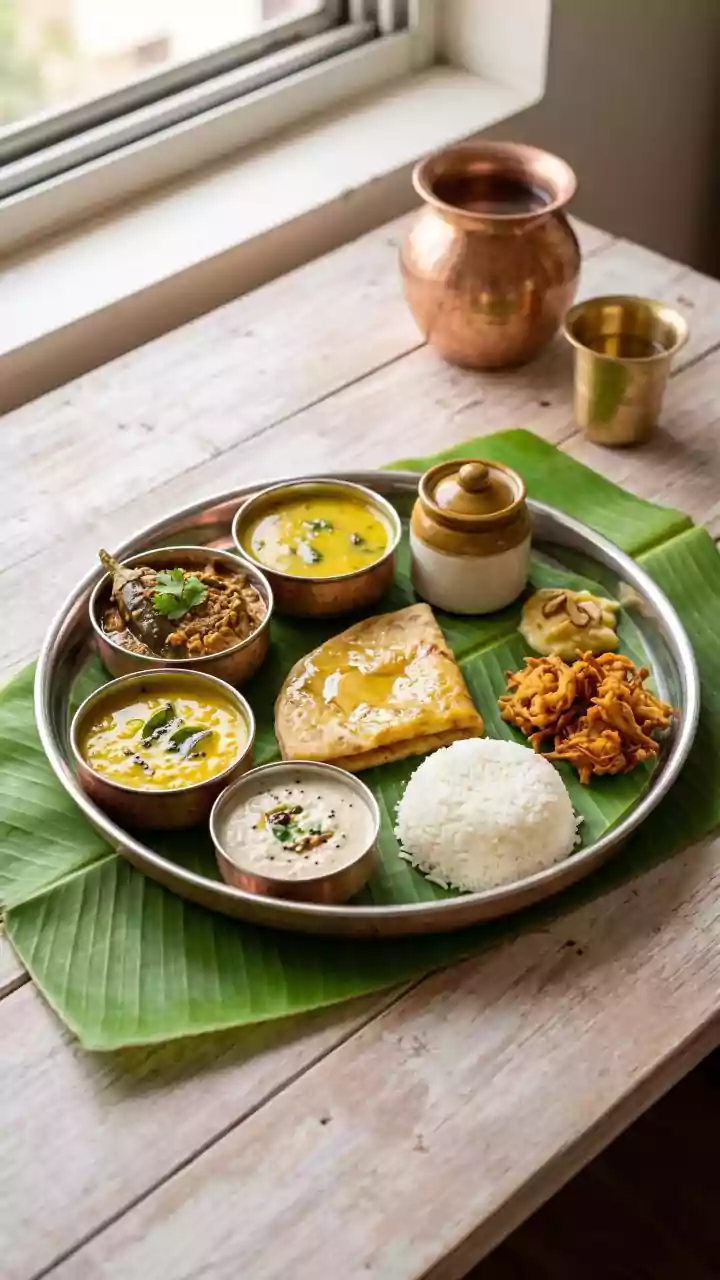
The health benefits of these regional diets are not just anecdotal; they are backed by nutritional science. Traditional Indian cooking incorporates a wide array of spices like turmeric, cumin, ginger, and coriander, which are lauded for their anti-inflammatory and antioxidant properties. Turmeric, for instance, contains curcumin, a compound known for its powerful health benefits. Cooking methods such as steaming, sautéing, and slow-simmering help preserve nutrients, while the use of fermented foods like idli and dosa promotes gut health. A balanced Indian meal, or thali, typically includes grains, lentils, and vegetables, offering a complete profile of carbohydrates, proteins, vitamins, and minerals. This time-tested approach to nourishment aligns perfectly with contemporary dietary guidelines that advocate for whole, unprocessed foods.