






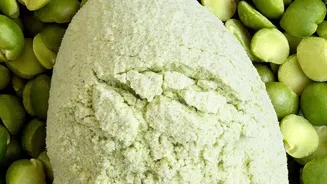

Myth: The Scoop is the Serving Size
One of the biggest mistakes users make is assuming the plastic scoop that comes in the tub represents a universal, standard serving. This is incorrect. There is no regulated or standard size for a protein powder scoop. The size of the scoop is determined
entirely by the manufacturer and can vary dramatically from one brand to another. One brand’s scoop might hold 25 grams of powder, while another’s could be 45 grams or more. This is often because some powders contain more fillers, sweeteners, and other additives, requiring a larger scoop to deliver the same amount of actual protein.
Reality: Always Read the 'Serving Size' on the Label
The only reliable way to know your dose is to ignore the scoop's size and read the 'Supplement Facts' or 'Nutrition Facts' panel on the packaging. Here, the manufacturer must state the official 'Serving Size'. This will be listed in grams and often next to the scoop count, for example, '1 Level Scoop (32g)'. Pay close attention to whether a serving is one scoop or two, as this can vary. The most important number is the 'Protein per serving' listed further down, which tells you how much of that 32-gram scoop is pure protein. The difference between the serving weight and the protein content is everything else.
Myth: You Can Only Absorb 30 Grams of Protein at Once
You've likely heard the popular gym-lore that any protein consumed beyond a 20-30 gram limit in one meal is wasted. This is a misunderstanding of how digestion works. Your body is highly efficient and can digest and absorb virtually all the protein you eat, regardless of the meal size. A larger protein meal will simply take longer for your digestive system to process. What the 20-40 gram figure actually refers to is the approximate amount needed to maximally stimulate muscle protein synthesis (the muscle-building process) in one sitting for many people. Any protein consumed beyond that point is not 'wasted'; it is used for other vital bodily functions, including energy, or is stored.
Reality: Your Daily Total Matters More Than Per-Meal Limits
Rather than fixating on a limit per meal, it's more productive to focus on hitting your total daily protein target, spread throughout the day. Your protein needs are highly individual, depending on your age, weight, activity level, and fitness goals. A general guideline is about 0.8 grams of protein per kilogram of body weight for sedentary individuals. For active people and those looking to build muscle, this recommendation increases significantly, often to a range of 1.6 to 2.2 grams per kilogram of body weight. Dividing this total across several meals helps maintain muscle health and satiety throughout the day.
Myth: You Must Drink a Shake Within 30 Minutes Post-Workout
For years, fitness culture has promoted the idea of a '30-minute anabolic window'—a critical period after exercise where you must consume protein or risk losing your gains. This has been largely debunked by modern research. Multiple meta-analyses have found that when total daily protein intake is sufficient and consistent, the precise timing of a post-workout shake has no significant extra benefit for muscle growth or strength for most people. The 'anabolic window' is actually much wider, with muscle protein synthesis remaining elevated for at least 24 hours after a workout.
Reality: Consistency Overrides Timing
What truly matters for muscle repair and growth is consistently consuming enough protein throughout the day, every day. Having a protein-rich meal a few hours before or after your workout is perfectly effective. The urgency of immediate post-workout supplementation was often observed in studies where that shake was the only thing that pushed the participants' total daily protein high enough. For the average person who eats regular meals, there's no need to panic and chug a shake in the locker room. Focus on the bigger picture: hitting your daily protein goal from a mix of whole foods and, if needed, supplements.