


The Magic of the Rain Shadow
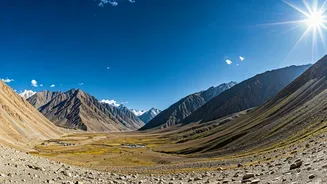
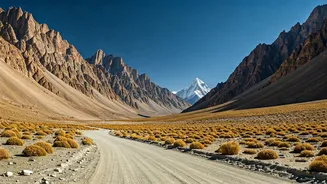
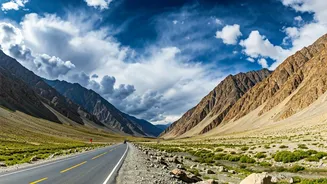
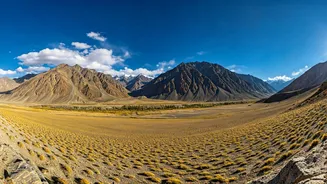
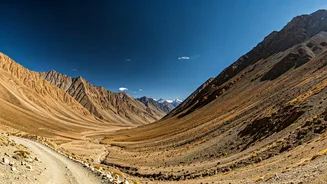
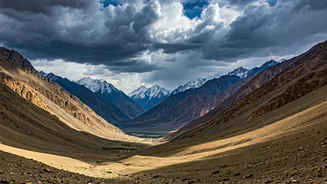
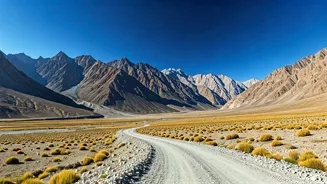
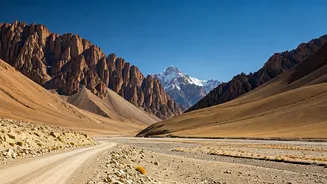
Spiti's secret to staying dry is its unique geographical location. Tucked away in the trans-Himalayan region of Himachal Pradesh, it lies in a rain-shadow area. The towering Himalayan ranges to the south act as a massive barrier, blocking moisture-laden
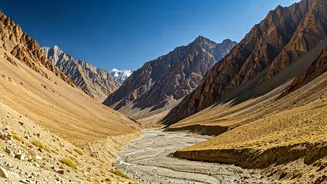
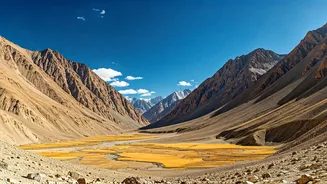
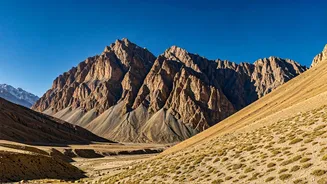
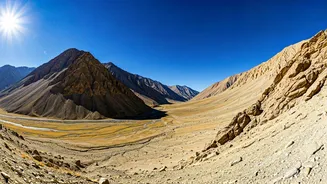
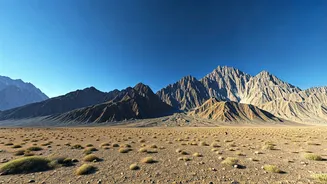
monsoon clouds from entering the valley. While the rest of the country experiences heavy rainfall from July to September, Spiti enjoys clear blue skies, strong sunshine, and minimal precipitation. This transforms the 'Middle Land' into a paradise for travellers seeking adventure without the inconvenience of incessant rain. Instead of lush greenery, you’ll find a dramatic landscape of barren, multi-hued mountains, deep gorges, and pristine rivers, making it a photographer's dream.
Choosing Your Path: The Journey to Spiti
Reaching Spiti is an adventure in itself, with two primary routes offering vastly different experiences. The first is via Manali, crossing the high-altitude passes of Atal Tunnel and Kunzum Pass (4,590m). This route is shorter but opens only from late May or early June and is more susceptible to monsoon-related disruptions like landslides and overflowing water crossings on the approach roads. The second, more reliable option is the year-round route from Shimla via the Kinnaur valley. This journey is longer but offers a more gradual ascent, which is crucial for acclimatization. While the valley itself is dry, the approach roads can be affected by rain, so it's wise to build buffer days into your itinerary and check road conditions before you travel.
A World of Ancient Wonders
Once in Spiti, a treasure trove of ancient culture and natural beauty awaits. The valley is dotted with centuries-old Buddhist monasteries that seem to defy gravity. Key Monastery, the largest in Spiti, is a stunning complex perched on a conical hill overlooking the Spiti River. Another must-visit is Tabo Monastery, a UNESCO World Heritage site renowned for its exquisite murals and sculptures, often called the 'Ajanta of the Himalayas'. For breathtaking landscapes, make your way to Chandratal, the 'Moon Lake', whose crescent shape and brilliant blue waters are mesmerizing. Explore the high-altitude villages of Komic—one of the highest motorable villages in the world—and Hikkim, home to the world's highest post office, where you can send a postcard from over 14,000 feet.
Health and Safety: Respect the Altitude
Spiti's high altitude (averaging 3,800m or 12,500 feet) requires respect and careful planning to avoid Acute Mountain Sickness (AMS). The golden rule is to ascend slowly. The Shimla route is highly recommended for this reason, as it allows your body to adapt over several days. Upon arrival in Kaza (3,800m), it's vital to rest for the first 24 hours. Hydration is key; aim to drink 3-4 litres of water daily. Eat light, carbohydrate-rich meals like dal-rice and thukpa, and avoid alcohol, which can hinder acclimatization. Listen to your body—headaches, dizziness, and nausea are early signs of AMS and should not be ignored. By taking these precautions, you can ensure a safe and enjoyable journey.
Packing for a Desert in the Sky
Packing for Spiti requires preparation for its extreme temperature fluctuations. Even in summer, when daytime temperatures can be a pleasant 15-20°C, nights can drop close to freezing. Layering is your best strategy: carry thermal wear, fleece jackets, and a windproof and waterproof outer layer. The sun is incredibly harsh at this altitude, so sunscreen, sunglasses, and a wide-brimmed hat are non-negotiable. Sturdy walking shoes are essential for exploring monasteries and villages. ATMs in Spiti are few and often unreliable, so carry enough cash for your entire trip. A basic first-aid kit with medications for headache, nausea, and any personal prescriptions is also a must-have.