



Why Vertical Space Is a Cat’s Best Friend
Before you start drilling, it’s helpful to understand why cats are so drawn to heights. In the wild, their ancestors were both predators and prey. Climbing gave them a strategic advantage—a safe perch from which to survey their territory, spot potential
threats, and watch for their next meal. This instinct is alive and well in our domestic cats. Providing vertical space, or 'catification' as it’s often called, taps directly into these core needs. A wall-mounted playground gives them a sense of security, reduces stress (especially in multi-pet households by creating separate territories), encourages exercise, and satisfies their natural curiosity. It’s a powerful form of environmental enrichment that combats boredom and promotes a healthier, happier cat.
Step 1: Plan Your Purrfect Path
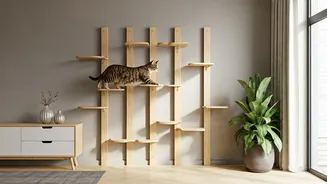
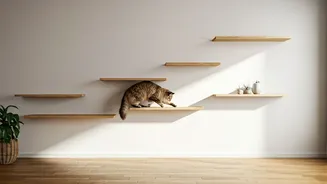
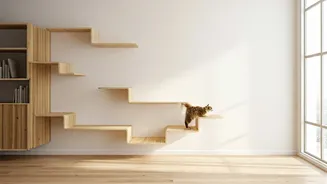
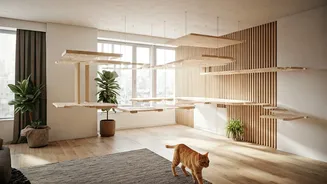
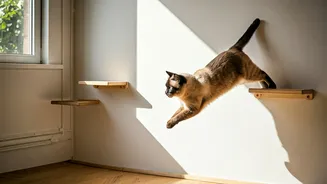
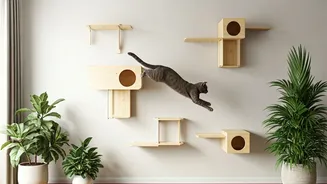
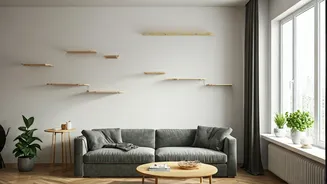
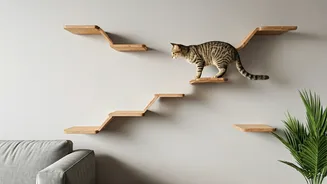
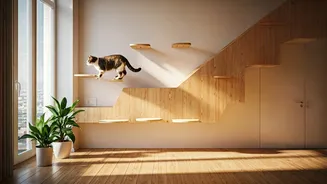
A successful wall playground feels like a seamless highway, not a series of dead ends. Start by observing your cat. Where do they like to hang out? Is there a particular window they love looking out of? Your design should connect these points of interest. Use painter's tape to map out a potential route on the wall. Think about flow. There should be a clear 'on-ramp'—perhaps a sturdy shelf placed near a sofa or a low-level cat tree—and multiple paths they can take. Ensure the spacing between elements is manageable for your cat's jumping ability; a gap of 30-40 cm horizontally and slightly more vertically is a good starting point, but adjust for your cat’s age and agility. Plan for resting spots and observation decks, not just pathways.
Step 2: Choose Your Building Blocks
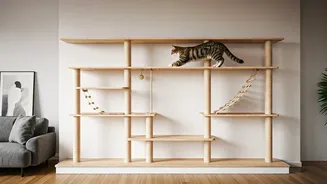
This is the fun part. The market for modular cat furniture has exploded, offering components to suit any style and budget. You can mix and match pre-made items or embark on a DIY project with simple materials from a hardware store. Key elements include:
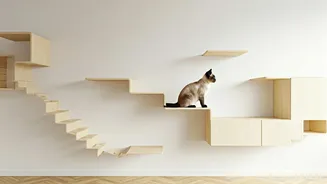
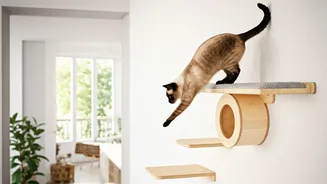
- **Shelves and Perches:** These are the basic platforms. Opt for wide, sturdy shelves covered in carpet, sisal, or a non-slip material for good grip.
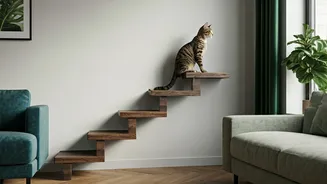
- **Steps:** Smaller, staggered steps are perfect for creating an incline or for older cats who can no longer make big leaps.
- **Bridges:** Rope or solid wood bridges add a fun, adventurous element connecting larger perches.
- **Hammocks and Loungers:** Soft, fabric hammocks create cozy napping spots high off the ground where cats feel secure.
- **Scratching Surfaces:** Incorporate vertical scratching posts or panels into the design. This encourages healthy scratching habits away from your furniture.
Step 3: Blend Function with Style
A cat playground doesn't have to scream 'crazy cat person'. The key is thoughtful integration. Choose materials that complement your existing decor. If your home has a minimalist, Scandinavian vibe, opt for light-coloured wood shelves. For a more industrial look, consider pipe fittings and reclaimed wood. You can paint the shelves the same colour as your wall to make them blend in seamlessly, creating a subtle architectural feature. Alternatively, use them to frame a piece of art or a wall-mounted TV, turning the entire setup into a functional, living art installation. Wrapping shelves in fabric or carpet that matches your colour scheme is another excellent way to tie everything together.
Step 4: Prioritise Safety and Secure Installation
This is the most critical step. A wobbly shelf is not only useless but also dangerous. Always locate the wall studs (the solid wood beams behind your plasterboard) using a stud finder. This is non-negotiable. Your shelves and perches must be anchored directly into these studs to support your cat's weight, especially when they are leaping and running. Use high-quality, heavy-duty brackets and screws rated well above your cat's weight. Avoid using simple plasterboard anchors, which will not hold over time. Once installed, test every single component by applying significant downward pressure. Ensure there are no large gaps where a paw could get stuck and sand down any rough edges on DIY components.