



The Hidden Sodium Problem
We all know that too much salt isn't good for us, but the average daily salt intake in India is around 11 grams, which is more than double the World Health Organization (WHO) and Indian Council of Medical Research (ICMR) recommendation of less than 5
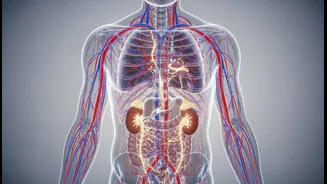
grams of salt per day (about 2000 mg of sodium). This excess sodium is a major contributor to high blood pressure, which increases the risk of heart disease, stroke, and kidney issues. While we can control the salt shaker at home, a significant portion of this excess sodium comes from food prepared outside, including our favourite takeaway meals.
Why Is It So Hard To Judge?
Estimating the salt in a restaurant dish is nearly impossible for several reasons. Firstly, unlike packaged foods, most restaurant menus in India do not have nutritional labels, leaving you in the dark. Secondly, chefs often add salt at multiple stages of cooking—marination, preparing the base gravy, and final seasoning—which adds up quickly. A dish that seems healthy, like a salad or soup, can be loaded with sodium from dressings, croutons, and broths. Studies have consistently shown that consumers drastically underestimate the sodium content in their restaurant meals, sometimes by over 1000 mg. Spices can also mask the taste of salt, so a flavourful curry might not taste overly salty despite containing high levels of sodium.
The Usual Suspects on the Menu
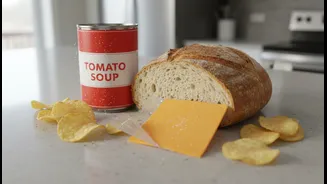
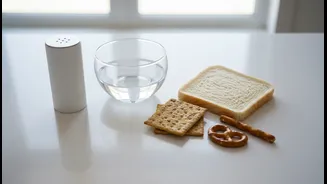
Many popular Indian and Indo-Chinese takeaway options are packed with sodium. A single plate of Hakka noodles or Manchurian can contain between 1600-2400 mg of sodium, essentially your entire daily limit in one meal. A plate of Hyderabadi Biryani can have 1400-1800 mg, while Paneer Butter Masala can contain 1000-1400 mg. Even the accompaniments add up. A single plain papad has around 300 mg of sodium, and salty sides like pickles and chutneys further increase the total. Breads and baked goods are another hidden source; even sweet-tasting biscuits and cakes contain sodium from ingredients like baking soda.
Smarter Strategies for Ordering In
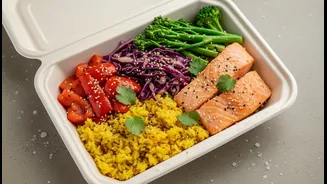
This doesn't mean you have to give up takeaways entirely. Awareness is the first step, and with a few smart choices, you can significantly reduce your sodium intake. When possible, request that your food be prepared with less salt; many restaurants will accommodate this simple request. Opt for dishes that are steamed, grilled, or roasted instead of those with heavy sauces or descriptions like 'pickled', 'cured', or 'in soy sauce'. Be mindful of your accompaniments. Skip the extra papad and pickle, and ask for salad without a salty dressing. You can add your own squeeze of lemon for flavour. Another great strategy is to control your portion sizes. Share a main dish or save half for another meal to instantly cut your sodium intake.
Take Control in Your Own Kitchen
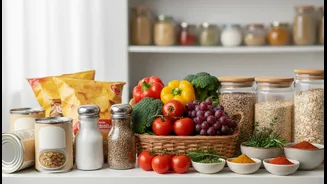
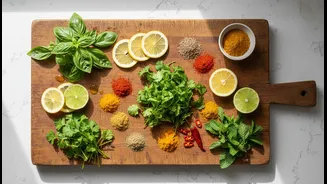
The easiest way to manage your sodium is by cooking more at home. But you can also make your home cooking healthier by making a few changes. Instead of relying on salt for flavour, experiment with a wide range of spices, herbs, ginger, garlic, and citrus juices. When making staples like chapati dough or rice, avoid adding salt. Be wary of pre-made spice mixes like chaat masala and instant soup packets, as they are often very high in sodium. By gradually reducing the salt you add during cooking, your taste buds will adjust over time, allowing you to enjoy the natural flavours of your food without the added health risks.