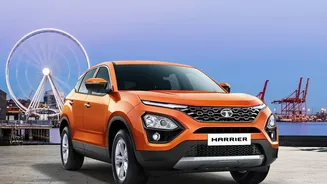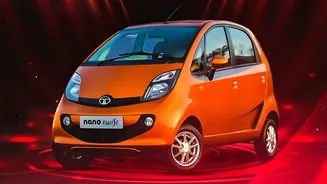





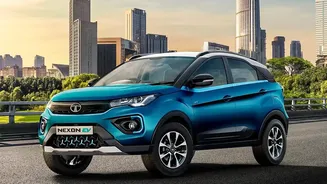
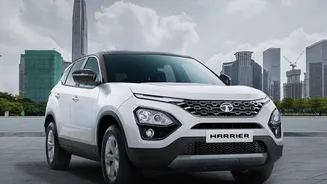
What Did Tata Motors Announce?
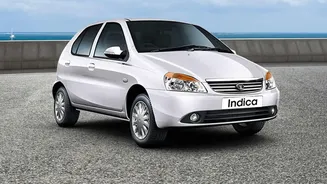
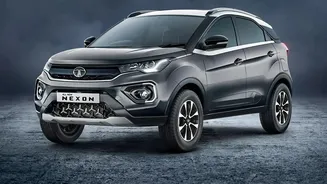
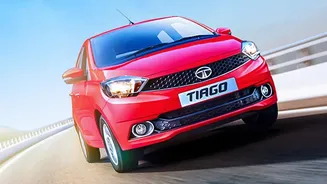
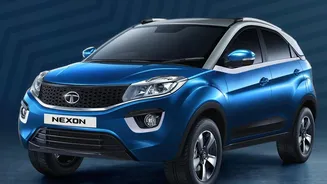
On August 21, 2026, Tata Motors confirmed it will increase the prices of its passenger vehicles, including both petrol/diesel (ICE) and electric (EV) models, by up to ₹25,000. This change will take effect from September 1, 2026. The company stated the hike
is necessary to partially offset the impact of rising input costs and sustained inflationary pressures. Tata Motors also clarified that while it is absorbing a significant portion of the cost increases, a part of the burden must be passed on to customers. The exact increase will vary depending on the specific model and variant.
The Primary Culprit: Rising Input Costs
The most significant factor driving up car prices is the sustained increase in the cost of raw materials. Automakers are heavily dependent on commodities like steel, aluminium, copper, and precious metals used in components like catalytic converters. Over the past few years, global supply chain disruptions and geopolitical uncertainties have caused the prices of these materials to escalate. This directly inflates the cost of manufacturing each vehicle. While companies try to absorb these costs through internal efficiency measures, persistent high prices eventually force them to revise their product pricing.
Stricter Regulations Mean Pricier Technology
Another key reason for climbing prices is the implementation of stricter government regulations, particularly the Bharat Stage 6 (BS6) Phase 2 norms, also known as Real Driving Emissions (RDE) norms. These rules, which came into effect in April 2023, require vehicles to meet emission targets in real-world driving conditions, not just in a lab. To comply, manufacturers must equip cars with more sophisticated hardware and software, including advanced sensors and upgraded engine components. For diesel vehicles, this often means installing a Selective Catalytic Reduction (SCR) system, which is more complex and expensive than previous technologies. These mandatory upgrades add directly to the production cost of every vehicle.
It's Not Just Tata Motors
This trend is not limited to Tata. In fact, Tata's announcement follows similar moves by its main competitors. Just days earlier, Hyundai Motor India announced a price hike of up to 1% effective from September 2026, also citing rising input costs and macroeconomic factors. Market leader Maruti Suzuki has also implemented multiple price increases in recent months for the same reasons. Automakers across the board, from Mahindra to luxury brands, are facing the same cost pressures. This industry-wide phenomenon indicates that the factors at play are external and affect the entire market, rather than being specific to one company's strategy.
What This Means for Car Buyers
For prospective customers, this means the era of steadily rising car prices is likely to continue in the short term. The combination of expensive raw materials, regulatory-driven technology upgrades, and general inflation has created a new cost baseline for the industry. While automakers offer discounts and schemes, especially during the festive season, the fundamental ex-showroom prices are on an upward trajectory. Buyers planning a purchase may find that waiting longer could mean paying more for the same vehicle. The consistent price revisions across all major brands suggest that this is the new normal, forcing consumers to adjust their budgets and expectations for what a new car will cost.