



The Perfect Storm for Breakouts
The primary culprit behind monsoon acne is the dramatic increase in humidity. When the air is saturated with moisture, your sweat doesn't evaporate from your skin as it normally would. This creates a warm, damp film on your skin's surface. Dermatologists
explain that this environment is the perfect breeding ground for bacteria. High humidity signals your skin’s sebaceous glands to go into overdrive, producing more oil, or sebum. This excess oil mixes with the trapped sweat, along with dirt and dead skin cells, creating an ideal recipe for clogged pores.
How Clogged Pores Turn into Pimples
Once a pore is clogged, it can develop into different types of acne. The sticky mixture of oil and dead skin cells forms a plug. If the plug is open to the air, it oxidizes and becomes a blackhead. If it's closed off under the skin, it's a whitehead. More problematic, however, is that this clogged, oily environment is a feast for Cutibacterium acnes (formerly Propionibacterium acnes), the primary bacteria responsible for acne. As these bacteria multiply, your body triggers an inflammatory response, leading to the red, swollen, and sometimes painful pimples that are all too common during the rainy season. Some people might even experience fungal acne, which presents as small, itchy bumps and thrives in the same humid conditions.
Your Monsoon Skincare Action Plan
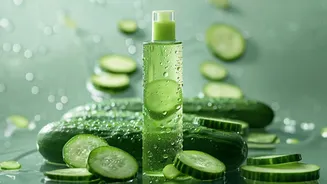
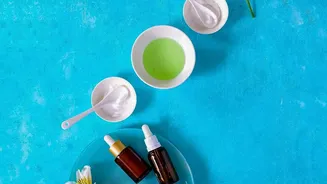
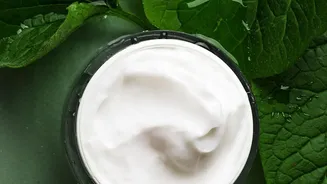
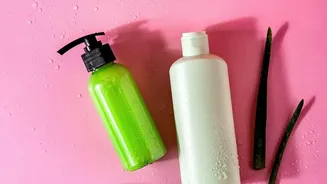
While you can't change the weather, you can adjust your skincare routine to combat its effects. The key is to manage oil and keep pores clear without stripping your skin, which can ironically cause even more oil production. Start by switching to a gentle, gel-based or foaming cleanser and washing your face twice a day, especially after sweating. Incorporating a product with salicylic acid can help exfoliate gently and keep pores unclogged. Many people think they should skip moisturizer when their skin feels oily, but this is a mistake. Dehydrated skin often produces more oil to compensate. Opt for a lightweight, oil-free, and non-comedogenic (meaning it won't clog pores) moisturizer to keep your skin barrier healthy and hydrated. Gel-based formulas with ingredients like hyaluronic acid are excellent choices for humid climates.
Essential Habits for Clear Monsoon Skin
A few simple lifestyle adjustments can make a significant difference. First, don't skip sunscreen, even on cloudy days. Sun exposure can worsen the dark marks left behind by acne, a condition called post-inflammatory hyperpigmentation. Look for a lightweight, non-comedogenic sunscreen to avoid adding extra grease. It's also wise to avoid heavy makeup that can further clog pores. If you do wear makeup, be sure to remove it thoroughly at the end of the day. Try to avoid touching your face, as your hands can transfer dirt and bacteria. Showering as soon as possible after a workout or being outdoors in the heat can wash away the sweat and oil before they have a chance to cause trouble. Finally, wearing loose, breathable fabrics like cotton can help prevent body acne on your back and chest by allowing moisture to escape.