






The Monsoon's Mixed Signals
The lifeblood of Indian agriculture, the southwest monsoon, has been worryingly erratic this year. While some regions have received adequate rainfall, crucial pulse-growing states, particularly Maharashtra and Karnataka, have faced significant deficits.
Some top-producing states have received up to 30% less rain than average during the June-to-September season. This patchy distribution has created moisture stress in the soil just as the Kharif (monsoon) crops, including key pulses like tur (arhar) and urad, enter critical growth phases. The situation is compounded by the looming threat of El Niño, a weather pattern known for causing drier conditions in India, which could further impact the upcoming Rabi (winter) crop season.
The Pulse Predicament
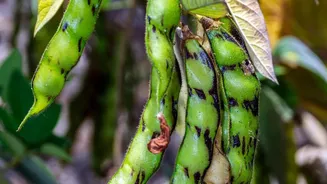
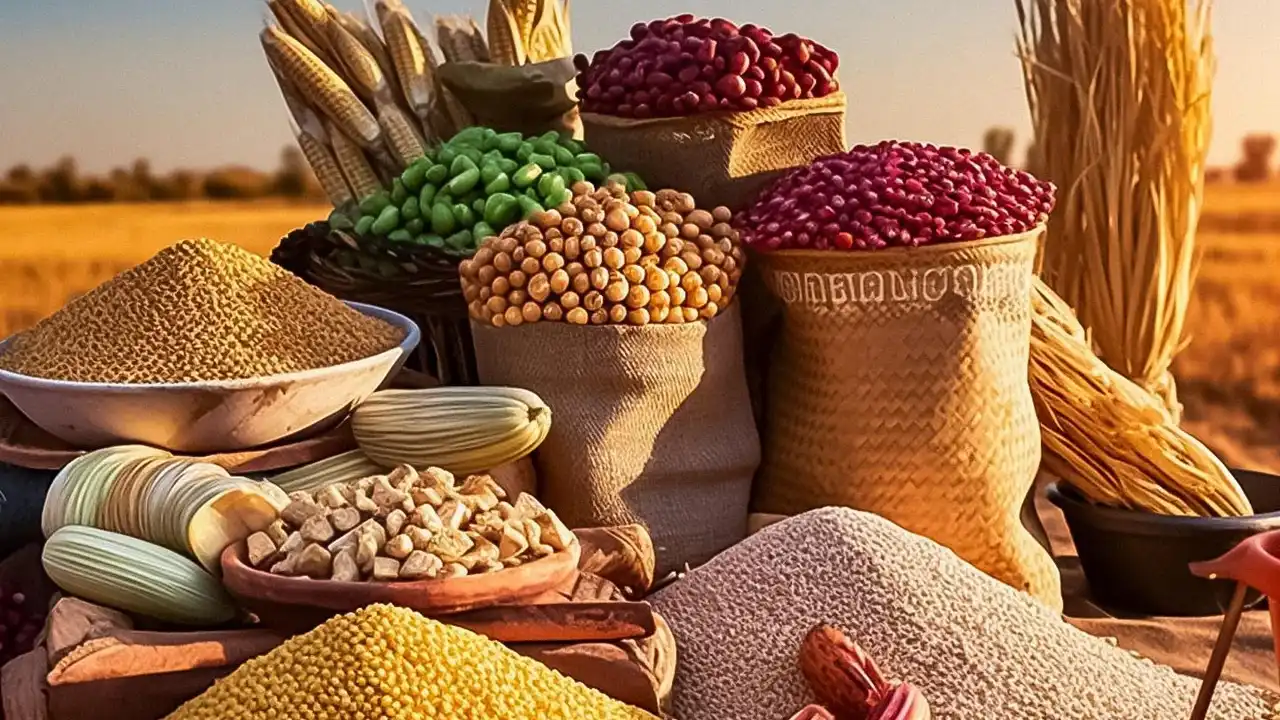
Pulses, or dals, are a cornerstone of the Indian diet and a primary source of protein for millions. Unlike heavily irrigated crops like sugarcane or wheat, a significant portion of pulse cultivation is rain-fed, making it highly vulnerable to monsoon performance. The uneven rainfall has directly impacted sowing. Early reports indicated a decline in the area sown with pulses compared to the previous year. Consequently, there is growing apprehension that domestic output, particularly of tur, could fall sharply. Traders are already reporting concerns over supplies and declining stocks, which is beginning to reflect in market prices even before the new harvest arrives.
Your Kitchen Budget at Stake
The impact is already being felt in kitchens across the country. In just a few weeks, retail prices for tur dal have surged in some areas. For instance, reports from early October show prices increasing by ₹20 to ₹30 per kilogram, with some varieties now retailing at ₹140 to ₹150 per kg. Official data from the Department of Consumer Affairs as of October 4, 2026, shows the all-India average retail price of Tur/Arhar dal at ₹124.82 per kg, a notable 9.44% increase compared to the previous year. Urad dal prices have also seen an 8.10% year-on-year rise. This upward trend comes ahead of the festive season, a time when demand for food items naturally increases, adding further pressure on household budgets already dealing with broader food inflation.
The Government's Import Dilemma
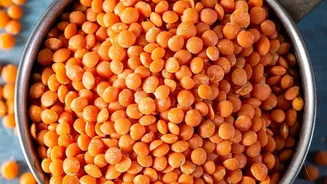
Faced with the twin challenges of a potential production shortfall and rising food inflation, the Indian government is weighing its options. One of the primary tools available is to make imports cheaper by lowering tariffs. According to sources, the government is considering reducing import duties on specific pulses, possibly lentils and yellow peas. Currently, India levies a 10% import tax on red lentils and chickpeas, and a 30% duty on yellow peas. This is not a new strategy; the government has already allowed duty-free imports of tur (pigeon peas) and urad (black gram) until March 2027 to bolster supplies. The decision represents a delicate balancing act: ensuring affordable prices for consumers without depressing domestic market prices to a point that hurts Indian farmers, especially as they prepare for the Rabi sowing season.
What to Expect Next
The coming weeks will be critical in determining the trajectory of dal prices. Any government announcement on import duty cuts could lead to increased purchases from major suppliers like Australia, Canada, and Russia, potentially stabilizing the market. However, the actual impact will depend on the volume and timing of fresh crop arrivals from domestic mandis. If the harvest is better than feared, prices might cool down. But if the production shortfall is significant, the reliance on imports will grow. India is the world's largest producer, consumer, and importer of pulses, and in recent years has relied on imports to cover a significant portion of its demand. For now, consumers and farmers alike will be closely watching the skies for any late rainfall and the government for its next policy move in this unfolding situation.