



The Power of Your Breath
Before we begin, it’s helpful to understand why focusing on something so automatic can be so transformative. Conscious breathing, or breath awareness, is a foundational form of mindfulness. The simple act of paying attention to your inhales and exhales
can help activate the body’s relaxation response. This process can help lower stress hormones, reduce anxiety, and improve your ability to concentrate. Think of your breath as an anchor to the present moment, a way to gently pull your mind away from anxious thoughts about the past or future and into the here and now. It’s not about stopping your thoughts, but rather giving your mind a quiet, steady point of focus.
Finding Your Comfortable Seat
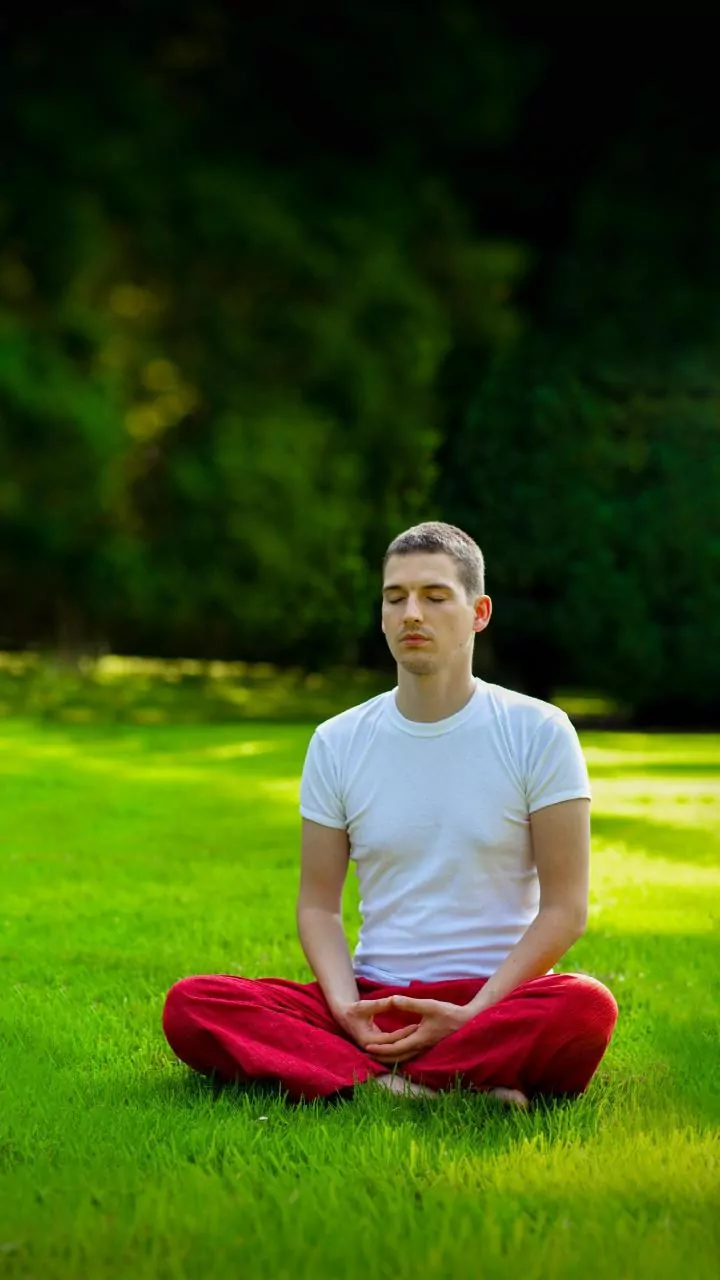
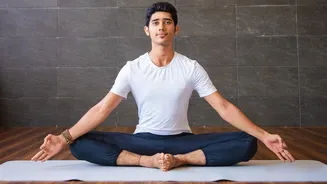
You don't need a special cushion or a silent ashram to begin. The goal is comfort and an upright posture that allows you to breathe freely. Find a quiet place where you won't be disturbed for five to ten minutes. Sit on a chair with your feet flat on the floor and your back straight but not rigid. You can also sit cross-legged on the floor, using a pillow or blanket under your hips to elevate them slightly, which can ease pressure on your back. Rest your hands gently on your lap or knees. Allow your shoulders to drop away from your ears and soften your jaw. You can either close your eyes gently or let your gaze fall softly on a spot a few feet in front of you.
A Simple Four-Step Practice
This practice is about observing, not controlling. Your only job is to notice. 1. Settle In: Take a moment to feel your body in the chair or on the floor. Notice the points of contact and allow your weight to settle. 2. Find the Breath: Gently bring your attention to the physical sensation of breathing. You might notice the air moving in and out of your nostrils, the rise and fall of your chest, or the gentle expansion and contraction of your belly. Pick one spot that feels most vivid to you and rest your attention there. There is no need to change or force your breath; just let it be natural. 3. Follow the Cycle: Follow the full duration of one breath—from the beginning of the inhale, through the slight pause after, to the end of the exhale. Notice the subtle differences in temperature and sensation. The inhale might feel cool, while the exhale feels warm. Just observe without judgment. 4. Gently Return: Your mind will wander. This is not a failure; it is simply what minds do. When you notice your attention has drifted to thoughts, sounds, or sensations, gently acknowledge it and then guide your focus back to the sensation of your breath. Each time you do this, you are strengthening your muscle of awareness.
Common Questions for Beginners
As you start, a few questions might pop up. 'Am I doing this right?' is a common one. If you are sitting and intending to pay attention to your breath, you are doing it right. The practice is the returning of your attention, not perfect, unbroken focus. Some people worry they are controlling their breath when they watch it. If this happens, try to soften your focus or shift your attention to a different area, like the rise and fall of your abdomen. Others may feel sleepy or restless. If you feel drowsy, try sitting more upright or in a brighter room. If you feel restless, acknowledge the fidgety energy without judgment, knowing it’s a common experience for beginners.
Start with Just Five Minutes
The key to building any new habit is to start small and be consistent. Don't set a goal of meditating for 30 minutes a day right away. Instead, commit to just five minutes each day. You can set a gentle timer to avoid clock-watching. Practicing for five minutes daily is far more beneficial than a single hour-long session once a month. This short duration makes the practice feel approachable and easy to integrate into your morning routine or during a lunch break. Over time, as you become more comfortable, you can gradually extend the duration if you wish.