






The Monsoon's New Personality
The heart of the paradox lies in a fundamental change in the monsoon's behaviour. While the total volume of rainfall across the season might be decreasing or staying the same, the way it arrives has become far more erratic. Instead of the gentle, steady
showers spread over several months that our farms and cities are used to, the monsoon is now concentrating its power. We are witnessing fewer rainy days overall, but when it does rain, it falls in short, aggressive, and highly intense bursts. Studies have confirmed a significant rise in the frequency of these extreme rain events since the mid-20th century, even as the number of moderate rainfall days has declined.
The Climate Change Connection
The primary driver behind this dangerous shift is climate change. The science is straightforward: a warmer atmosphere can hold more moisture. For every degree Celsius of warming, the air can store approximately 7% more water vapour. This supercharges the atmosphere, turning it into a massive reservoir of moisture. When conditions are right for a storm, this massive amount of water is released all at once, leading to the kind of deluges that can flood a city in hours. The rapid warming of the Arabian Sea, in particular, has been linked to driving surges of moisture supply that lead to these extreme rain episodes across central India.
From Drizzle to Deluge
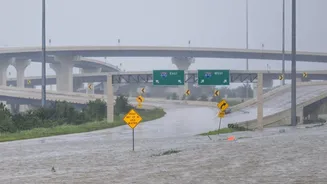
This shift from prolonged drizzles to sudden deluges has profound consequences. Traditional water management systems, reservoirs, and urban drainage networks were all designed for a different kind of monsoon. They were built to handle a predictable flow of water over a longer period. The current pattern of long dry spells followed by extreme downpours overwhelms this infrastructure completely. The soil, baked hard during the extended dry periods, cannot absorb the sudden onslaught of water, leading to massive surface runoff. Rivers and drainage channels, designed for a steady flow, are quickly breached, turning streets into rivers.
When Concrete Amplifies the Crisis
This meteorological problem is severely compounded on the ground by rapid and often unplanned urbanisation. Cities across India have expanded by paving over natural sponges like wetlands, lakes, and soil with concrete and asphalt. These impermeable surfaces prevent rainwater from soaking into the ground, forcing it all into overburdened drainage systems. A city like Bengaluru, for example, has lost a significant percentage of its water bodies to construction over the decades. When an extreme rainfall event hits these concrete jungles, the water has nowhere to go, inevitably leading to the severe urban flooding that has become an annual occurrence in cities like Mumbai, Delhi, and Chennai.
A Country of Extremes
The paradox also creates a country of concurrent, and contradictory, crises. The same climatic shift can cause devastating floods in one region while another faces a drought. Because the total number of rainy days is decreasing, regions that miss out on the few intense downpours can experience severe water scarcity, impacting agriculture and drinking water supplies. This volatility makes planning for farmers incredibly difficult, as they can face both a lack of water for sowing and the risk of their crops being washed away by a sudden flood within the same season. The monsoon is no longer just a bringer of rain; it has become a driver of uncertainty and risk across the nation.