




1. Chiricahua National Monument, Arizona
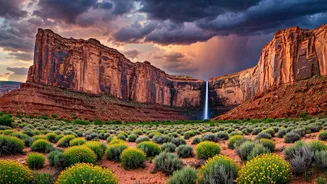
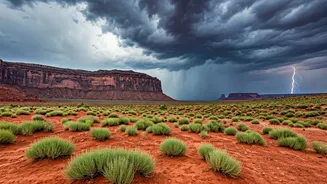
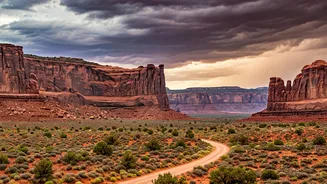
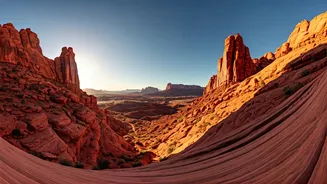
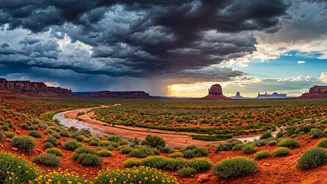
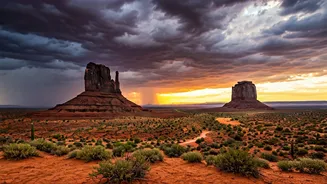
Known as the “Wonderland of Rocks,” this remote corner of southeastern Arizona is a geological marvel of volcanic hoodoos and balancing rocks. During the monsoon, the drama is dialed up to eleven. Thunderstorms roll across the sky, casting epic shadows
over the pinnacles. Temporary waterfalls stream down the rhyolite cliffs, and the air fills with the rich, earthy scent of wet creosote. It’s a photographer’s dream, where the stormy skies provide a perfect, moody backdrop for the otherworldly landscape.
2. Organ Mountains-Desert Peaks, New Mexico
Just east of Las Cruces, the jagged spires of the Organ Mountains claw at the sky. While impressive year-round, the monsoon season softens their rugged edges with a surprising flush of green. The rains awaken dormant grasses and wildflowers, creating a stunning contrast against the dark rock. Hiking trails here, like the Dripping Springs Trail, can lead to seasonal waterfalls. The afternoon storms often clear by sunset, leaving behind clean, cool air and spectacular, pastel-colored skies.
3. Madera Canyon, Arizona
A world-renowned birding hotspot, this “Sky Island” canyon south of Tucson becomes even more magical during the monsoon. The rains nourish a lush riparian habitat that attracts an incredible diversity of life. Birdwatchers flock here for a chance to see rare species like the elegant trogon, but the real show is the explosion of hummingbirds. The moisture brings out countless insects and flowering plants, creating a frantic, buzzing paradise for these tiny, iridescent birds.
4. White Sands National Park, New Mexico
Visiting a sea of white gypsum sand during the rainy season might sound counterintuitive, but it’s a stroke of genius. The moisture darkens and firms up the sand, making it easier to walk on and revealing subtle textures you’d otherwise miss. The real payoff, however, is the sky. The vast, minimalist landscape of the dunes becomes an incredible stage for the towering, dramatic cloud formations and distant lightning shows of the monsoon. The contrast of dark storm clouds against the bright white sand is an unforgettable sight.
5. Jemez Mountains, New Mexico
Escape the desert heat by heading for the high-altitude forests of the Jemez Mountains. This volcanic range, home to the Valles Caldera National Preserve, is a haven of ponderosa pine, aspen groves, and grassy meadows. The summer rains keep the landscape intensely green and feed the numerous streams and waterfalls, including the popular Jemez Falls. It’s a place to experience the cooler, wetter side of the monsoon, with misty mornings, afternoon showers, and the scent of pine filling the air.
6. Bisbee, Arizona
This quirky, historic mining town, built into the steep sides of Tombstone Canyon, offers a completely different kind of monsoon experience. Instead of hiking, you can enjoy the weather from the porch of a vintage hotel or a cozy cafe. The sound of rain on the town’s tin roofs is a classic Bisbee soundtrack. The steep, narrow streets can turn into temporary streams, adding to the atmosphere of a town that has always adapted to its rugged environment. It’s the perfect place to watch a storm roll in and feel a part of history.
7. Capitol Reef National Park, Utah
While its more famous neighbors, Zion and Arches, get most of the attention, Capitol Reef offers a more intimate and less-crowded experience of Utah's red rock country. The monsoon brings life to the park's historic fruit orchards and the Fremont River. The storms create dramatic waterfalls that appear seemingly out of nowhere, cascading over the red sandstone cliffs of the Waterpocket Fold. Always check flash flood forecasts, but for the prepared visitor, it's a chance to see the desert's plumbing in spectacular action.
8. Great Sand Dunes National Park, Colorado
At the edge of the monsoon’s reach, this park is home to the tallest sand dunes in North America, set against the backdrop of the Sangre de Cristo Mountains. The summer rains can trigger a unique phenomenon: the Medano Creek, which flows at the base of the dunes, experiences “surge flow,” where underwater sand ridges create pulsing waves. The moisture also cools the sand, making for incredible barefoot hiking in the evening as thunderstorms build over the mountains.
9. Valley of Fire State Park, Nevada
Nevada's oldest state park is a mind-bending landscape of Aztec Sandstone that looks like it’s on fire when hit by the sun. During the monsoon, the effect is magnified. After a rain, the wet red rock becomes deeply saturated, glowing with an impossible vibrancy. The storms provide a respite from the intense summer heat and create stunning reflections in the temporary pools that form on the slickrock. It’s a place of raw, elemental beauty where water and rock put on a spectacular show.
10. The Bisti/De-Na-Zin Wilderness, New Mexico
For the truly adventurous, this badlands area in northwestern New Mexico is about as offbeat as it gets. It’s an undeveloped, starkly beautiful landscape of eroded rock, petrified wood, and bizarre hoodoos that looks like another planet. The monsoon adds another layer of strangeness. The gray and brown hills can come alive with short-lived green, and the storms that pass through are utterly untamed, with nothing to block your view for miles. This is not for the novice; it’s a challenging, rewarding glimpse into the wild heart of the desert monsoon.