


The Modern Festive Dilemma
In cities across India, the festive calendar is a whirlwind. Work deadlines, school schedules, and social commitments compete with the deep-rooted desire to fill the home with the aroma of traditional sweets and savouries. For a growing number of families,
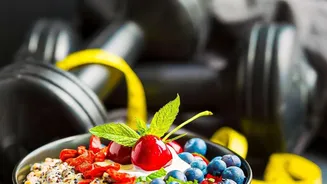
there's an added layer of complexity: a commitment to healthy living. The question is no longer just about finding the time, but also about navigating recipes laden with refined sugar, flour, and oil. This has sparked a quiet revolution in urban kitchens, where families are finding ingenious ways to blend tradition with modern wellness principles, proving that festive feasting and healthy eating can coexist.
Planning Is the Secret Ingredient
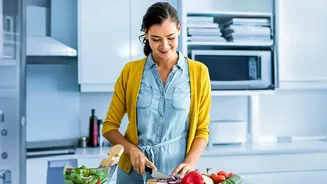
The key to a stress-free and healthy festive season is planning. Successful families don't leave things to the last minute. Their preparations often begin weeks in advance with a three-pronged approach. First, menu planning helps decide which dishes are non-negotiable family traditions and where healthier, quicker options can be introduced. Second, creating detailed shopping lists prevents impulse buys of unhealthy processed foods. Finally, a prep schedule breaks down daunting tasks into manageable steps. This could mean chopping vegetables, soaking legumes, or preparing spice mixes over the weekend, so that on the day of the festival, it's more about assembly and final cooking than starting from scratch.
Smart Swaps for Guilt-Free Indulgence
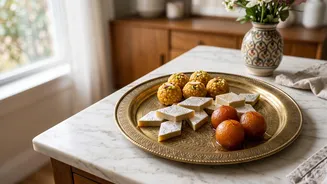
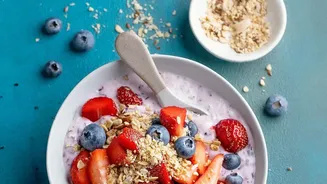
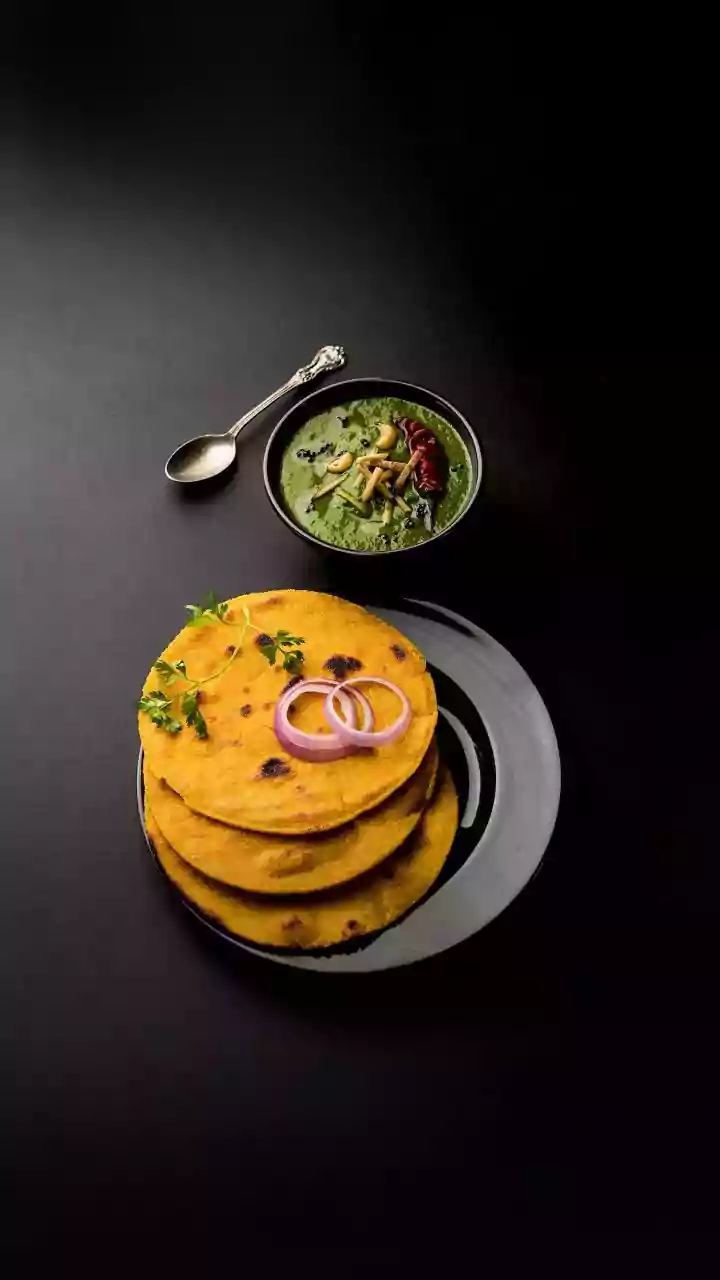
The biggest shift in the modern festive kitchen is in the ingredients. Health-conscious cooks are redefining 'mithai' without losing its soul. Refined white sugar is frequently replaced with natural sweeteners like jaggery, dates, honey, or stevia, which offer a more complex flavour and some nutritional benefits. Similarly, refined flour (maida) is often substituted with whole wheat, millet flours like ragi, or oat flour. Even the cooking method is getting a makeover. Instead of deep-frying goodies like samosas and gujiyas, many now opt to bake or use an air fryer, significantly cutting down on oil while retaining a satisfying crunch. These simple swaps ensure that every bite is both delicious and nourishing.
Let Technology Do the Heavy Lifting
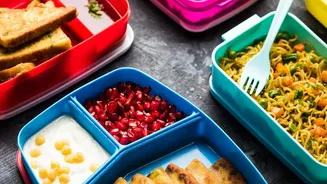
Urban kitchens are increasingly tech-savvy, and this extends to festive cooking. Modern appliances are a busy family’s best friend. Food processors make kneading dough for pooris or grinding ingredients for masalas a task of minutes, not hours. Air fryers provide a healthier alternative for snacks that would traditionally be deep-fried. Pressure cookers and multi-cookers can 'set and forget' dishes like kheer or dal makhani, freeing up valuable time. By leveraging technology, families can drastically reduce hands-on cooking time without resorting to store-bought, processed alternatives.
Make It a Family Tradition
Instead of one person, usually the woman of the house, shouldering the entire burden, many families are turning festive cooking into a bonding activity. Involving children in simple tasks like rolling ladoos, shelling peas, or decorating sweets not only lightens the load but also passes on culinary traditions to the next generation. It transforms a potentially stressful chore into a cherished memory-making session. This shared responsibility fosters a sense of togetherness and ensures that the spirit of the festival is about celebration, not exhaustion.
Mindful Indulgence Over Deprivation
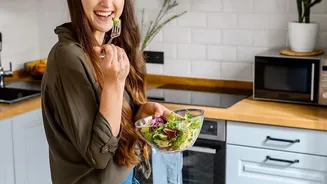
Perhaps the most significant change is a shift in mindset. The goal is not to completely avoid festive foods but to enjoy them mindfully. This means savouring smaller portions of rich, traditional sweets while filling the rest of the menu with lighter, healthier options. It's about understanding that one indulgent meal or a few days of celebration will not derail a healthy lifestyle. The focus is on balance and enjoyment, not guilt. This approach allows families to participate fully in the cultural and social aspects of the festival without feeling deprived or compromising their long-term health goals.