


A Battery Fit for the Moon
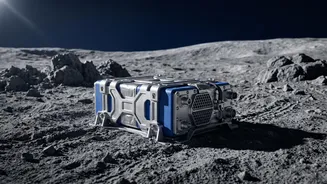
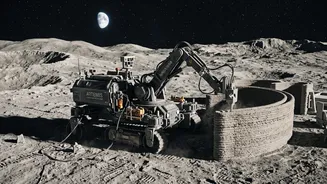
If you’ve ever had a car struggle to start on a frosty morning, you know that batteries and extreme cold are not friends. Now, imagine that cold is the minus 200 degrees Celsius of the lunar night. To power future Artemis missions, rovers, and astronaut
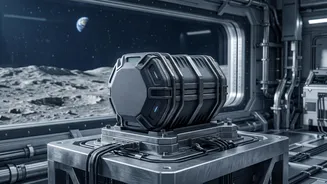
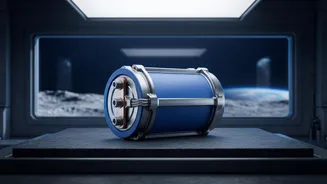
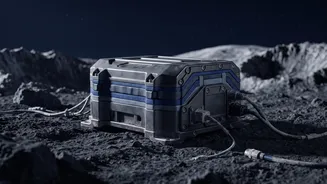
equipment on the Moon, NASA needs a power source that can withstand these brutal temperature swings. That’s the goal of a project called SPEARS, which stands for Solid Power for Extreme Environment Adaptability and Resilience in Space. Unlike conventional lithium-ion batteries that use a liquid electrolyte, which can freeze and cause permanent damage, SPEARS batteries use a solid material. This solid electrolyte doesn't freeze, allowing the battery to survive the deep cold. On October 14, 2026, NASA announced a major milestone: prototype cells had successfully operated down to minus 80 degrees Celsius and survived exposure to even lower temperatures. The goal isn't for the battery to work while frozen solid, but for it to be safely 'reawakened' with small heaters when needed, saving precious energy.
The Science of Staying Warm
The challenge facing NASA's batteries is, in a way, the same one our bodies face: maintaining a stable internal state in a hostile environment. The human body is engineered to run within a very narrow temperature band, around 37 degrees Celsius. When exposed to cold, it triggers a series of powerful defenses managed by the hypothalamus, the body's internal thermostat. First, it tries to conserve heat through vasoconstriction, tightening blood vessels in the skin and limbs to redirect warm blood toward the vital core organs. If that isn’t enough, the body begins to generate its own heat through shivering, a process of rapid muscle contractions that can significantly increase your metabolic rate. This response is incredibly effective, but it comes at a high energy cost, burning through fuel reserves much like a battery draining its charge. This defense system is robust but has its limits; overwhelming cold, wet clothing, or exhaustion can cause it to fail.
When the Body's Battery Fails
When the body loses heat faster than it can produce it, its core temperature drops below 35 degrees Celsius, a condition known as hypothermia. As the body cools, critical functions begin to slow down. The heart rate decreases, mental confusion sets in, and the shivering mechanism eventually stops as energy stores are depleted. Just as a cold battery's chemical reactions slow to a crawl, the body's metabolic processes grind down. At this stage, survival hinges on external help. This parallel is where the NASA research offers a fascinating analogy. The SPEARS battery is designed to go dormant in the cold and then be actively rewarmed. Similarly, treating a person with moderate to severe hypothermia requires active rewarming—using external heat sources like warming blankets or even internal methods like warmed IV fluids to restore the body's core temperature.
Lessons From Extreme Cold
Interestingly, medicine has learned to harness the body's response to cold. Therapeutic hypothermia, where a patient's body temperature is deliberately lowered, is used in critical care settings to protect the brain from damage after events like cardiac arrest. By cooling the body, metabolic demand is reduced, which can prevent further injury to oxygen-starved tissues. This controlled 'shutdown' is a life-saving intervention. It highlights a core principle shared with the SPEARS battery: surviving extreme cold is about managing energy and preventing irreversible damage during a low-power state. The success of the battery isn’t that it works at minus 200 degrees, but that its structure remains intact and ready to function once warmed. The same is true for a person who survives profound hypothermia; the goal of rescuers is to protect the core and rewarm the system without causing shock or further harm.