






Embrace Bitter and Bottle Gourds
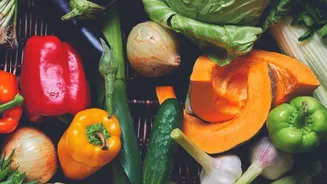
While not always the most popular vegetables, gourds like karela (bitter gourd) and lauki (bottle gourd) are monsoon powerhouses. Nutritionists often recommend them because they are light, easy to digest, and packed with essential nutrients. Bitter gourd is particularly
valued for its vitamin C content and antiviral properties, which are crucial for fending off seasonal infections. Lauki, being rich in water and fibre, helps keep the system hydrated and clean without taxing a sluggish monsoon digestive system. A simple sabzi or adding them to dals are great ways to incorporate them into your meals.
The Golden Spice: Turmeric (Haldi)
Turmeric is a staple in Indian kitchens for a reason, and its benefits shine during the rainy season. Its active compound, curcumin, has powerful anti-inflammatory, antioxidant, and antimicrobial properties. This helps your body combat the pathogens that thrive in the damp weather. Nutritionists suggest that a daily dose of turmeric, whether in dals, sabzis, or a warm glass of haldi doodh before bed, can help regulate the immune system and keep inflammation in check. For better absorption, it's often recommended to pair turmeric with a pinch of black pepper.
The Warming Power of Ginger and Garlic
Ginger and garlic are a dynamic duo for monsoon health. Both are known for their natural anti-inflammatory and antimicrobial qualities. Ginger is particularly effective at aiding digestion, soothing an upset stomach, and relieving sore throats—all common complaints during this season. Garlic contains compounds that help the body fight off germs. Using fresh ginger and garlic generously in soups, teas, and everyday cooking is a simple, expert-backed strategy to bolster your body's defences against common colds and flu.
Go for Seasonal Fruits like Jamun and Pomegranate
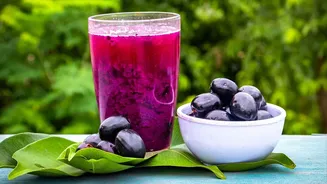
While it's wise to be cautious with raw foods, certain seasonal fruits are highly recommended. Jamun (Indian blackberry) is an August favourite, rich in vitamin C, iron, and antioxidants that support healthy digestion. Pomegranate is another excellent choice, packed with antioxidants and vitamin C that help the body's natural defence against infections. These fruits provide essential vitamins without being heavy on the stomach. Experts advise washing them thoroughly and consuming them fresh.
Choose Probiotics: Yoghurt and Buttermilk
Gut health is directly linked to immunity, making probiotics essential during the monsoon. While heavy foods can be hard to digest, fresh, room-temperature yoghurt (dahi) or, even better, buttermilk (chaas) are excellent choices. Buttermilk is lighter than curd and aids digestion, especially when prepared with roasted cumin and a pinch of salt. These foods introduce beneficial bacteria to your gut, which is your first line of defence against digestive issues that are common in the rainy season.
Light Lentils like Moong Dal
Heavy meals can overwhelm the digestive system, which is naturally weaker during the monsoon according to Ayurvedic principles. Nutritionists often recommend light and easy-to-digest proteins like moong dal. A simple, warm moong dal khichdi is considered a perfect monsoon meal because it's nourishing, gentle on the stomach, and provides a complete protein when combined with rice. It offers sustained energy without the bloating or heaviness associated with richer dals or non-vegetarian foods.