


Goa: The Land of Sun and Sand
Goa's charm is deeply connected to its seasons. The best time to visit for its quintessential beach experience is from November to February. During these winter months, the weather is dry and pleasant, with temperatures perfect for sunbathing, swimming,
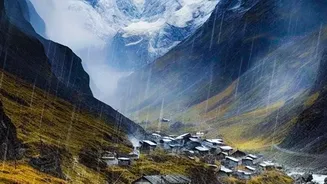
and enjoying the vibrant nightlife and beach shacks. This is peak tourist season, so expect higher prices and bustling crowds. The summer months of March to May get progressively hot and humid, making it less comfortable for outdoor activities, though it's a good time for water sports before the rains arrive. The monsoon, from June to October, transforms Goa into a lush, green paradise. While the seas are too rough for swimming and many beach shacks close, this season offers a different kind of magic. It's the perfect time to explore the state's heritage villages, visit magnificent waterfalls like Dudhsagar, enjoy nature trails, and experience a quieter, more tranquil side of Goa.
Kerala: God's Own Country in Every Climate
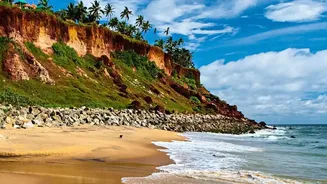
Kerala's weather offers something unique across its three distinct seasons. The peak tourist period is the winter, from September to March, when the climate is cool, dry, and ideal for exploring. This is the best time for cruising the famous backwaters of Alleppey, visiting the tea gardens of Munnar, and enjoying the beaches of Varkala and Kovalam with minimal humidity. The summer, from March to May, is hot and humid, especially in coastal areas. While less crowded, the heat can be intense. Kerala experiences two monsoon seasons: the heavy Southwest monsoon from June to August and the retreating Northeast monsoon from October to November. Traditionally considered the off-season, monsoon travel in Kerala has a unique appeal. The landscape becomes incredibly lush and vibrant, waterfalls are at their most powerful, and it's considered the best time for rejuvenating Ayurvedic treatments. Houseboat cruises during the light rains can be a serene and magical experience.
Ladakh: The High-Altitude Desert Adventure
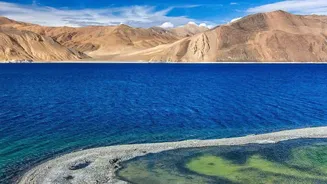
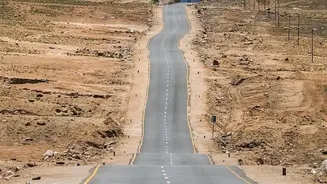
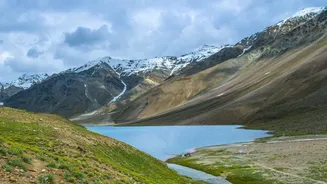
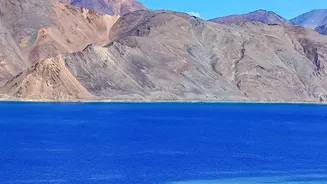
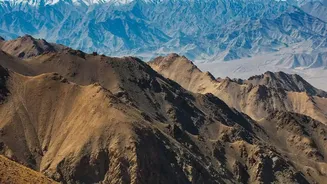
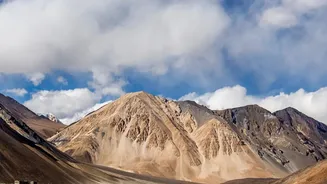
Ladakh's extreme, high-altitude climate means its travel season is much more defined. For most travellers, the best time to visit is during the short summer, from June to September. During these months, the weather is pleasant, with warm, sunny days and temperatures ranging from 20°C to 25°C. Crucially, this is when the key mountain passes and highways, like the routes from Manali and Srinagar, are open, allowing access to the region's stunning landscapes, including Pangong Lake and Nubra Valley. The winter, from November to February, is extremely harsh, with temperatures plummeting far below freezing. Most roads close due to heavy snowfall, making large parts of the region inaccessible. However, for the truly adventurous, winter offers a unique experience, with opportunities to see a snow-covered paradise, spot snow leopards, and undertake challenging treks like the famous Chadar Trek on the frozen Zanskar River.
Your Trip, Your Weather
Ultimately, the right choice depends on the experience you're seeking. For classic sun, sea, and social energy, Goa in the winter is unmatched. For a peaceful, green escape with a focus on nature and wellness, Kerala during or just after the monsoon is ideal. And for an unforgettable summer adventure filled with dramatic landscapes and clear blue skies, Ladakh is the undisputed winner. Each destination's 'off-season' also holds unique charms for travellers looking to avoid crowds and see a different side of these popular locales. Before you book, consider what weather best suits your travel style—whether it's the comfort of a dry, sunny day or the dramatic beauty of a monsoon shower.