




Cereals No Longer King
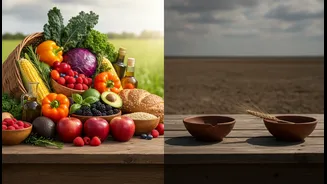
The most significant finding from the latest Household Consumption Expenditure Survey (HCES) is the dramatic decline in spending on cereals. In rural India, the share of expenditure on cereals plummeted from over 22% in 1999-2000 to just 4.9% in 2022-23.
Urban India saw a similar drop, from 12.4% to 3.6%. This doesn't mean Indians have stopped eating rice and wheat, but it confirms they no longer dominate the family food budget. For the first time in the survey's history, the share of spending on cereals is not the largest component, marking a pivotal moment in the nation's dietary evolution. This shift reflects rising incomes and greater food security, allowing families to diversify beyond basic staples.
The Rise of Proteins and Produce
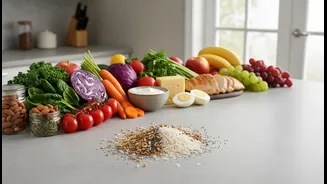
As spending on cereals has fallen, Indians are dedicating more of their food budget to other groups. The HCES data highlights increased expenditure on milk and milk products, eggs, fish, and meat. This indicates a move towards higher-quality protein sources. The share of protein from cereals has dropped significantly in the last decade, balanced by a rise in protein from animal sources. However, this transition is not without its complexities. While overall protein intake appears adequate on average, studies show that nearly half of this protein still comes from lower-quality cereals. Furthermore, significant inequality remains, with the richest households consuming far more high-quality protein than the poorest.
A Boom in Processed Foods
Perhaps the most striking and concerning trend is the explosion in spending on processed foods. The HCES data shows that the category of 'beverages, refreshments and processed food' has seen remarkable growth. In 2023-24, this category became the single largest component of food spending in both rural (9.84%) and urban (11.09%) India, surpassing even milk products and vegetables. This aligns with other reports showing that retail sales of ultra-processed foods (UPFs) in India have skyrocketed, growing at a compound annual rate of over 13% between 2011 and 2021. This boom is driven by urbanisation, changing lifestyles, and aggressive marketing.
Why Is This Happening?
Several factors are driving this dietary transformation. The primary driver is rising household income. As families have more disposable income, they move away from a subsistence diet based on cheap cereals and diversify into more expensive, nutrient-dense foods like fruits, vegetables, and proteins. Urbanisation and busier lifestyles also play a major role, creating demand for convenience and ready-to-eat products, which fuels the processed food market. Finally, government policies, including the provision of subsidised cereals through welfare programs, have enhanced food security, freeing up household budgets for other food purchases.
The Double-Edged Sword
This changing food basket presents both opportunities and challenges for India. On one hand, the shift towards more proteins, fruits, and vegetables could lead to better nutrition and help combat issues like stunting. The diversification also creates new opportunities for farmers and the food processing industry. On the other hand, the concurrent surge in ultra-processed foods, which are often high in sugar, salt, and unhealthy fats, is directly linked to a growing crisis of obesity and non-communicable diseases like diabetes and heart disease. More than a quarter of Indian men and women are now classified as overweight or obese, a figure that has risen sharply in the last decade. This creates a 'double burden' of malnutrition, where undernutrition and obesity coexist within the population.