


The Unbeatable Case for Plain Water
For most of your daily activities, good old-fashioned water is the undisputed champion of hydration. Your body relies on water for everything from regulating temperature to transporting nutrients and flushing out waste. In the typical course of a day
that involves commuting, desk work, and light household chores, your hydration needs can be perfectly met by sipping water consistently. The key is to drink proactively, not waiting until you feel thirsty, as thirst is an early sign that dehydration has already begun. Aiming for regular sips throughout the day keeps your system balanced without the need for anything extra.
When Do Electrolytes Enter the Picture?
Electrolytes are essential minerals like sodium, potassium, and magnesium that carry an electric charge and play a vital role in nerve function, muscle contractions, and maintaining your body's fluid balance. While you get most of them from a balanced diet, there are specific times when you lose them rapidly along with water. The post-monsoon humidity is a key factor here. High humidity prevents sweat from evaporating efficiently, so your body sweats even more to try and cool down, accelerating fluid and electrolyte loss. You should consider an electrolyte drink if you've been exercising intensely for over an hour, spending prolonged periods working outdoors, or if you're a 'salty sweater'—meaning you often see white, salty streaks on your dark clothes after they dry. Illness involving vomiting or diarrhoea also depletes electrolytes quickly.
Decoding Your Body’s Signals
How do you know if you need more than just water? Your body sends distinct signals. The signs of simple dehydration include thirst, dark-coloured urine, fatigue, and dizziness. However, if you're experiencing these symptoms alongside muscle cramps, twitching, nausea, or confusion even after drinking water, it could point to an electrolyte imbalance. This happens because drinking large amounts of plain water after significant sweat loss can further dilute the sodium levels in your blood, making symptoms worse. Paying attention to the colour of your urine is a simple check; light yellow indicates good hydration, while darker shades mean you need more fluids.
Smart Hydration Hacks for Humid Days
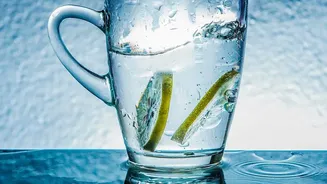
Staying properly hydrated in the post-monsoon dampness is about smart habits, not just chugging water. First, eat your water. Incorporate water-rich foods like cucumber, watermelon, oranges, and spinach into your diet. These not only provide fluids but also natural electrolytes. Second, if you need to replenish lost minerals, you don't always have to reach for a commercial sports drink, which can be high in sugar. You can make your own natural electrolyte drink at home. A simple and effective recipe involves mixing a litre of water with a pinch of sea salt, a squeeze of lemon or lime juice, and a small amount of a natural sweetener like honey or maple syrup. Coconut water is another excellent natural option, packed with potassium.
The Bottom Line: Listen to Your Body
The choice between water and electrolytes isn't a competition; it’s about context. For the vast majority of your day, water is the perfect choice for staying hydrated. However, during periods of intense, prolonged sweating in the challenging post-monsoon humidity, your body will thank you for replenishing lost electrolytes. Drinking them daily when not needed can lead to an excess of minerals like sodium, so it's best to use them strategically. The most effective strategy is to understand your activity level and listen to the signals your body sends.