

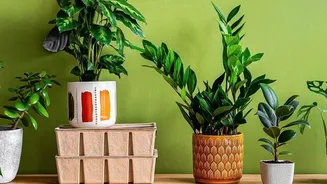
The Great Houseplant Myth
The popular belief that houseplants are tiny, natural air purifiers can be traced back to a 1989 NASA study. This research showed that, in a sealed, controlled lab chamber, plants could indeed remove harmful volatile organic compounds (VOCs) like formaldehyde
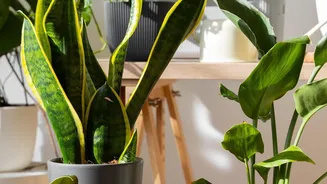
and benzene from the air. This exciting finding grew into a widespread belief that decorating our homes with snake plants and peace lilies was a key step toward healthier indoor air. However, a comprehensive review of decades of research, notably a 2019 study from Drexel University, has put a major damper on this idea. Researchers concluded that while plants technically do absorb these pollutants, their effect in a real-world home or office is practically negligible. The rate at which they clean the air is incredibly slow compared to the normal air exchange already happening in a building.
The Numbers Don't Lie
To put it in perspective, the studies found that to match the air-cleaning power of a typical building's ventilation system or even just a few open windows, you would need an astonishing number of plants. One analysis calculated that it would take between 100 and 1,000 plants per square metre of floor space to make a significant impact. Another estimate suggested you'd need around 680 plants in a standard 1,500-square-foot home to achieve the purifying effects seen in lab settings. For most people, turning a living room into a dense, impassable jungle isn't a practical solution. The reality is that the natural and mechanical ventilation in our homes and offices does the heavy lifting, diluting and removing pollutants far more effectively than a handful of potted ferns ever could.
Why Ventilation Is Your Best Friend
Indoor air can be two to five times more polluted than outdoor air, according to the U.S. Environmental Protection Agency. Pollutants like VOCs are released from everyday items including furniture, carpets, cleaning products, and even air fresheners. These pollutants can build up over time, and the most effective way to get rid of them is not to absorb them, but to replace the stale, polluted indoor air with fresh outdoor air. This process is called ventilation. It works by simple dilution—as fresh air comes in, the concentration of indoor pollutants goes down. This consistent air exchange is crucial for preventing the buildup of not only VOCs but also other allergens, odours, and moisture that can lead to mould growth.
Simple Ways to Ventilate Your Home
Improving your home's ventilation doesn't have to be complicated or expensive. The simplest method is to open your windows for 5-15 minutes each day, even in cooler weather, to allow for a rapid exchange of air. Use exhaust fans in your kitchen when cooking and in your bathroom during and after a shower to pull moisture and pollutants directly outside. For a more automated approach, ensure your home's HVAC system is in good working order and consider running it in fan-only mode to circulate air. If you live in an area with high outdoor pollution, using high-quality HEPA filters in your HVAC system or in a standalone air purifier can be hundreds of times more effective at cleaning the air than plants.
So, What Are Plants Good For?
This doesn't mean you should throw out your beloved houseplants. While they may not be the air-purifying powerhouses we once thought, they offer a wealth of other benefits. Numerous studies have shown that the presence of indoor plants can reduce stress, boost mood, and increase feelings of well-being. They add beauty and a touch of nature to our indoor environments, which are increasingly important for mental health. Some can even help regulate humidity slightly. So, keep your plants and love them for what they are: beautiful, living decor that makes you feel good. Just don't rely on them to do the work that an open window or a good ventilation system can do far more effectively.