





The Science of Infrared Heat
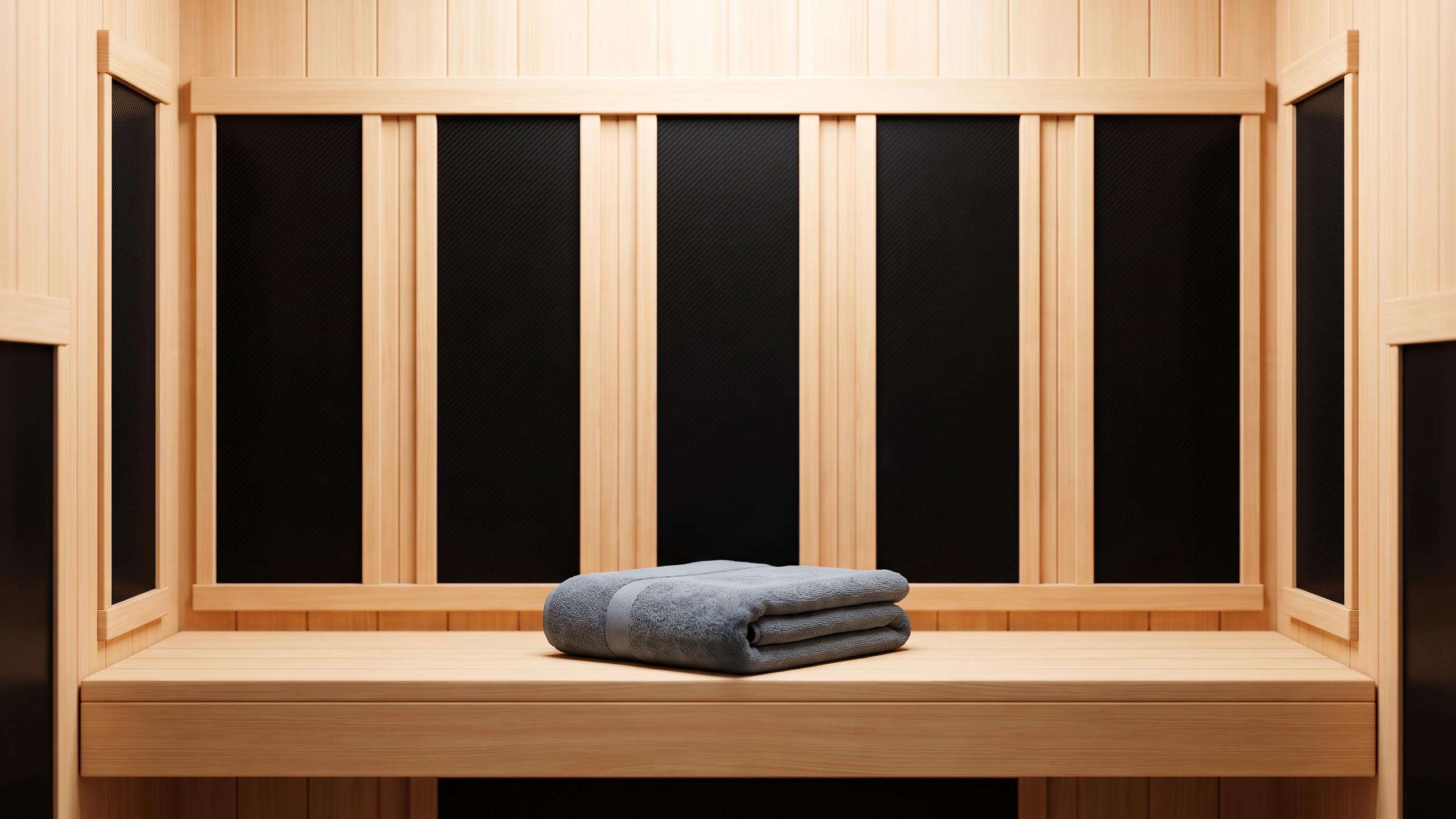
Unlike a traditional sauna that heats the air around you to extreme temperatures, an infrared sauna uses light to warm your body directly. This process, known as passive heating, allows for a more comfortable experience at lower temperatures—typically
between 48°C and 60°C. The infrared waves penetrate deep into muscle tissue, initiating a cascade of physiological responses without the intense, stifling air of a conventional sauna. This direct-to-body heating is what makes it a powerful tool for both recovery and relaxation.
Accelerating Muscle Repair
After a tough workout, your muscles are filled with microscopic tears. The heat from an infrared sauna triggers vasodilation, which is the widening of your blood vessels. This increases circulation, allowing more oxygen-rich blood and nutrients to reach your damaged muscles, which is crucial for repair. At the same time, this enhanced blood flow helps flush out metabolic byproducts that contribute to soreness. Studies have shown that post-exercise sauna use can significantly reduce delayed-onset muscle soreness (DOMS) and help athletes recover neuromuscular performance more quickly.
The Role of Heat Shock Proteins
The “stress” of the heat also triggers a powerful protective mechanism in your cells: the production of Heat Shock Proteins (HSPs). Think of HSPs as your body’s internal repair crew. They seek out damaged proteins within your cells—the very proteins that get beaten up during exercise—and help repair or remove them. This cellular-level cleanup not only accelerates muscle recovery but also helps reduce inflammation. Some research suggests that by activating HSPs, regular sauna use can make your cells more resilient to future stress, whether it's from another workout or daily life.
Melting Away Stress and Lowering Cortisol
The benefits aren't just physical. The gentle, enveloping warmth of an infrared sauna helps shift your nervous system from the 'fight-or-flight' (sympathetic) state to the 'rest-and-digest' (parasympathetic) mode. This shift has a direct impact on your stress hormones. Research has shown that regular sauna sessions can lead to a measurable decrease in cortisol, the body's primary stress hormone. By lowering cortisol, you not only feel more relaxed in the moment, but you can also improve your sleep quality, which is fundamental for both physical recovery and mental well-being.
How to Use Saunas for Best Results
To get the most out of an infrared sauna for recovery, timing and consistency are key. Most research points to using the sauna after your workout, not before. A session of 20-30 minutes, 2-4 times per week, seems to be a sweet spot for seeing benefits. It's crucial to stay hydrated, so drink plenty of water before, during, and after your session to replenish fluids lost through sweating. Start with shorter sessions at a lower temperature and gradually increase the duration and heat as your body adapts. The goal is to feel relaxed and rejuvenated, not exhausted.