



The Problem with Guilt
The cycle of indulgence followed by guilt is a familiar one during festive seasons. We label foods as 'good' or 'bad', and by extension, we feel 'bad' for enjoying a traditional treat. This all-or-nothing mindset is often counterproductive. Psychologists
note that food guilt doesn't prevent future overeating; in fact, it can lead to a damaging cycle of restriction and bingeing. The stress and negative feelings associated with guilt can spoil the festive spirit and your relationship with food. Rather than punishing yourself for having a ladoo, the healthier approach is to savour it without shame.
The Golden Rule: Portion Control
Nutrition experts agree that a balanced lifestyle isn't about completely cutting out your favourite foods, but understanding portion sizes. Instead of trying every sweet on the platter, pick one or two that you genuinely love. A simple strategy is to use smaller plates or cut sweets into bite-sized pieces, allowing you to sample treats without overindulging. Eating slowly and mindfully also gives your brain time to register that you are full. Remember, one sweet won't derail your health goals, just as one salad doesn't make you instantly fit. It's the overall pattern of eating that truly matters.
The Rise of 'Healthier' Mithai
The demand for healthier options has transformed the Diwali sweets market in 2026. Many sweet makers and home cooks are now offering mithai made with alternative ingredients. Refined sugar is being replaced with natural sweeteners like dates, figs, and jaggery. Refined flour (maida) is giving way to nutrient-dense options like millets (ragi, bajra), whole wheat, and nut flours. Baking is also becoming a popular preparation method over deep-frying for classics like gujiyas. These sweets often feature nuts and seeds, which add healthy fats, protein, and fibre.
Are They Really Healthier?
While sweets made with jaggery or dates are often marketed as healthier, it's important to read labels carefully. 'No added sugar' doesn't mean 'sugar_free' or 'calorie_free'. Ingredients like jaggery, honey, and dates are still forms of sugar and contain calories. While jaggery is less processed and retains more minerals like iron and magnesium than white sugar, it should still be consumed in moderation. These 'healthier' sweets are a better choice, but they are not a free pass to eat unlimited quantities. Portion control remains crucial, regardless of the ingredients.
Smart Sweet Swaps for Diwali
This festive season, you can have your sweets and eat them too by making mindful choices. Here are some popular options:
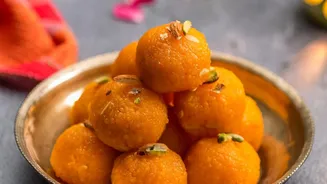
- Dry Fruit Ladoo: Made with nuts, seeds, and dates for natural sweetness, these are packed with fibre and healthy fats.
- Ragi or Millet Barfi: Using millet flours instead of refined ones adds fibre and nutrients like calcium.
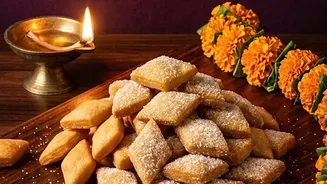
- Baked Gujiya: Enjoy this festive favourite with less fat by opting for a baked version made with whole wheat flour.
- Anjeer Barfi (Fig Rolls): Figs are a great natural sweetener and a good source of fibre.
- Nut_based Sweets: Kaju katli and other nut_based mithai rely on ingredients like cashews and almonds for flavour and texture, which can be more satisfying in smaller amounts.