




What is Native Gardening?
Native gardening is the practice of cultivating plants that are indigenous to a specific region. These are species that have grown and evolved in the local climate, soil, and environment for thousands of years without human intervention. Instead of filling
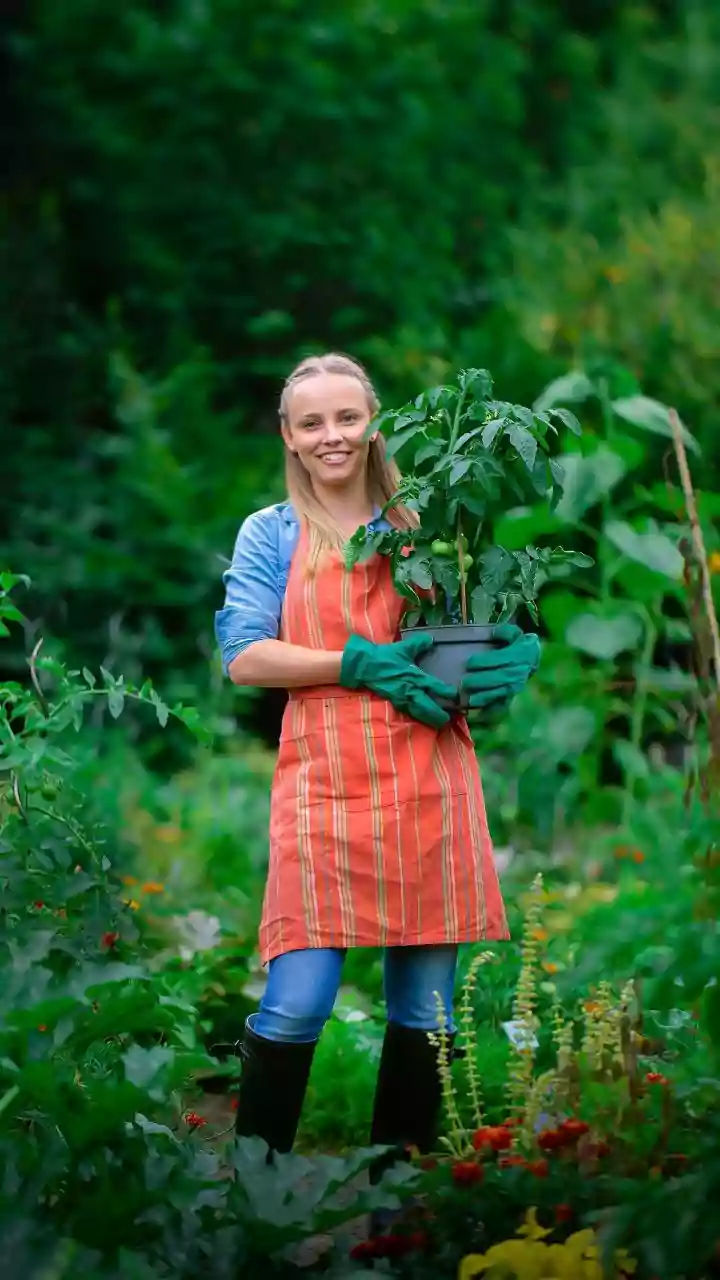
a garden with popular but foreign species that require special care, this approach focuses on plants like Tulsi, Marigold, Hibiscus, Neem, or region-specific varieties like the Khejri tree in Rajasthan. It marks a shift from creating purely decorative spaces to fostering mini-ecosystems that are resilient, self-sufficient, and deeply connected to their surroundings. The idea is simple: work with nature, not against it. By choosing plants that belong here, gardeners find their spaces become easier to manage and more alive with local fauna.
Why The Sudden Buzz?
This growing trend isn’t a coincidence. It's a response to some of India's most pressing urban challenges. As cities expand and green spaces shrink, many people feel a growing disconnect from nature. The COVID-19 pandemic also played a role, turning many towards gardening as a hobby and a way to find solace. Furthermore, there is a rising awareness of environmental issues like water scarcity and biodiversity loss. People are beginning to question the wisdom of using precious water on delicate, non-native plants when hardy, local alternatives are available. This shift is also cultural; it reflects a renewed appreciation for India's rich botanical heritage, moving away from a colonial-era preference for exotic flora and back to our roots.
The Ecological Ripple Effect
The benefits of going native extend far beyond your garden wall. Native plants provide the perfect food and shelter for local wildlife, attracting birds, bees, butterflies, and other pollinators. This is crucial for maintaining biodiversity in urban areas, where natural habitats are scarce. Because these plants are adapted to local conditions, they are naturally more resistant to pests and diseases, reducing the need for chemical pesticides. Most significantly, they are champions of water conservation. Many native Indian plants are drought-tolerant and thrive on the natural monsoon cycle, requiring far less irrigation than their foreign counterparts—a critical advantage in a country facing increasing water stress. Their deep root systems also improve soil quality and help prevent erosion.
More Than a Hobby, It's a Movement
Embracing native gardening is becoming a lifestyle choice. For many, it’s a form of environmental activism that starts at home. Organizations and citizen groups across cities like Bengaluru, Pune, and Mumbai are promoting native species through plantation drives and community gardens. The Miyawaki method of creating dense, native pocket forests in urban areas is also gaining traction, though experts note it is one of many tools needed for urban greening. This movement is about more than just aesthetics; it's about ecological restoration on a personal scale. It fosters a sense of stewardship and connects communities through shared knowledge and seed exchanges. By choosing a native Parijat (Night-flowering jasmine) over an exotic rose, a gardener makes a small but powerful statement about sustainability and local pride.
Getting Started in Your Own Space
Starting your own native garden is surprisingly simple, even on a small balcony. Begin by identifying a few native plants that thrive in your specific climate—what works in Gujarat may differ from what thrives in West Bengal. Plants like Marigold (Genda), Jasmine (Mogra/Chameli), Hibiscus, Curry Leaf (Kadi Patta), and Holy Basil (Tulsi) are excellent, low-maintenance choices available across India. Many nurseries now specialize in native species. The key is to start small. Replace one or two exotic plants with native ones. Observe how they attract more life to your window or balcony. You will likely find they require less fuss, less water, and provide a much richer, more dynamic connection to the natural world right outside your door.