




The Problem with 'Crash Detoxes'
Before we celebrate our vegetable heroes, let's talk about the villain: the crash detox. These programmes, often involving expensive juices, restrictive meal plans, or dubious supplements, promise to flush 'toxins' from your body. The reality? Your body already
has a highly efficient detoxification system: your liver, kidneys, lungs, and skin work around the clock to filter and eliminate waste. Most detox diets are simply a form of extreme calorie restriction. While you might lose weight initially, it's mostly water and muscle, not fat. They can lead to dehydration, nutrient deficiencies, fatigue, and an unhealthy cycle of restriction and binging. True wellness isn't about a punishing, short-term fix; it's about supporting your body's natural processes consistently.
Golden Goodness: Sweet Corn
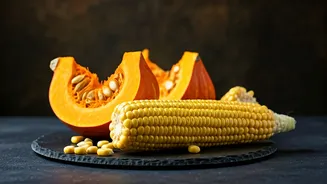
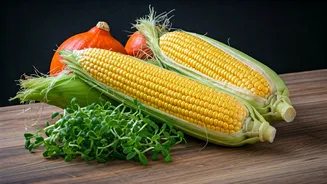
Often dismissed as a starchy vegetable, corn (or 'bhutta' as we lovingly call it) is a powerhouse of nutrients that actively supports your body's health. It's packed with insoluble fibre, which is crucial for digestive health. This fibre acts like a broom, sweeping through your digestive tract, promoting regular bowel movements and helping to eliminate waste efficiently. This process is a fundamental part of your body's natural 'detox'. Furthermore, corn contains a wealth of antioxidants, including carotenoids like lutein and zeaxanthin, which help protect your body's cells from damage caused by free radicals. So, a steamed or roasted corn on the cob is not just a delicious snack; it's a helping hand for your gut.
Humble Hero: Pumpkin
The humble pumpkin, or 'kaddu', is far more than a festive decoration or a simple side dish. It is one of the most potent sources of beta-carotene, an antioxidant that your body converts into Vitamin A. This essential vitamin plays a key role in supporting immune function and maintaining the health of your organs, including the liver—your body’s primary detoxification hub. Like corn, pumpkin is also rich in fibre, which aids digestion and promotes a feeling of fullness, helping to prevent overeating. Its high potassium content also helps regulate fluid balance and blood pressure. A simple pumpkin soup or a sabzi can provide more sustained benefits than any expensive, store-bought 'detox' tea.
Small but Mighty: Sprouts
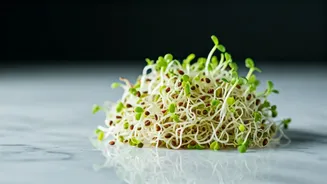
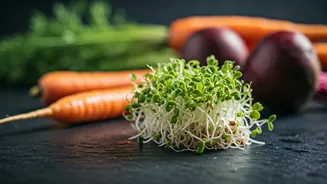
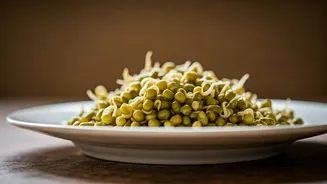
Brussels sprouts might have a divisive reputation, but their health benefits are undeniable. As a member of the cruciferous vegetable family (along with cabbage and broccoli), sprouts contain unique compounds called glucosinolates. When you chop or chew them, these compounds convert into substances like sulforaphane, which have been shown to support the liver's detoxification pathways. Essentially, they help your liver's enzymes to better neutralise and flush out harmful substances. On top of that, sprouts are loaded with Vitamin C, a powerful antioxidant that supports your immune system, and Vitamin K, which is essential for blood clotting and bone health. Roasting them with a little salt and pepper transforms them into a delicious, powerhouse dish.
The Real 'Detox' Strategy
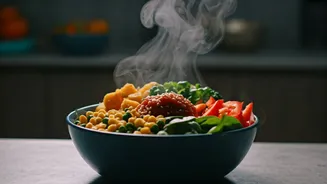
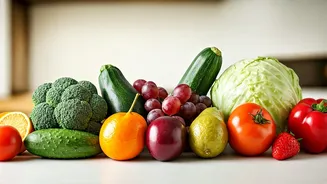
The message is clear: the best way to 'detox' is to stop thinking in terms of quick fixes and start thinking about consistent support for your body. Instead of punishing your system with a crash diet, nourish it. Incorporate a variety of colourful vegetables like corn, pumpkin, and sprouts into your regular meals. Focus on whole, unprocessed foods. Crucially, don't forget the other pillars of health that no detox product can replace: drink plenty of water throughout the day to help your kidneys function optimally, prioritise getting 7-8 hours of quality sleep to allow your body to repair, and engage in regular, moderate exercise to improve circulation. This holistic approach doesn't offer a magic bullet, but it builds a foundation for lasting health.