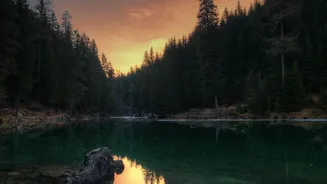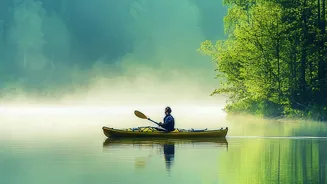



Slovenia's alpine region is a real-life fairy tale of turquoise waters and emerald forests set against the jagged Julian Alps. This guide will help you navigate its most stunning lakes, from walks and seasons to the perfect places to stay.
The Two Jewels: Bled and Bohinj
Any trip to
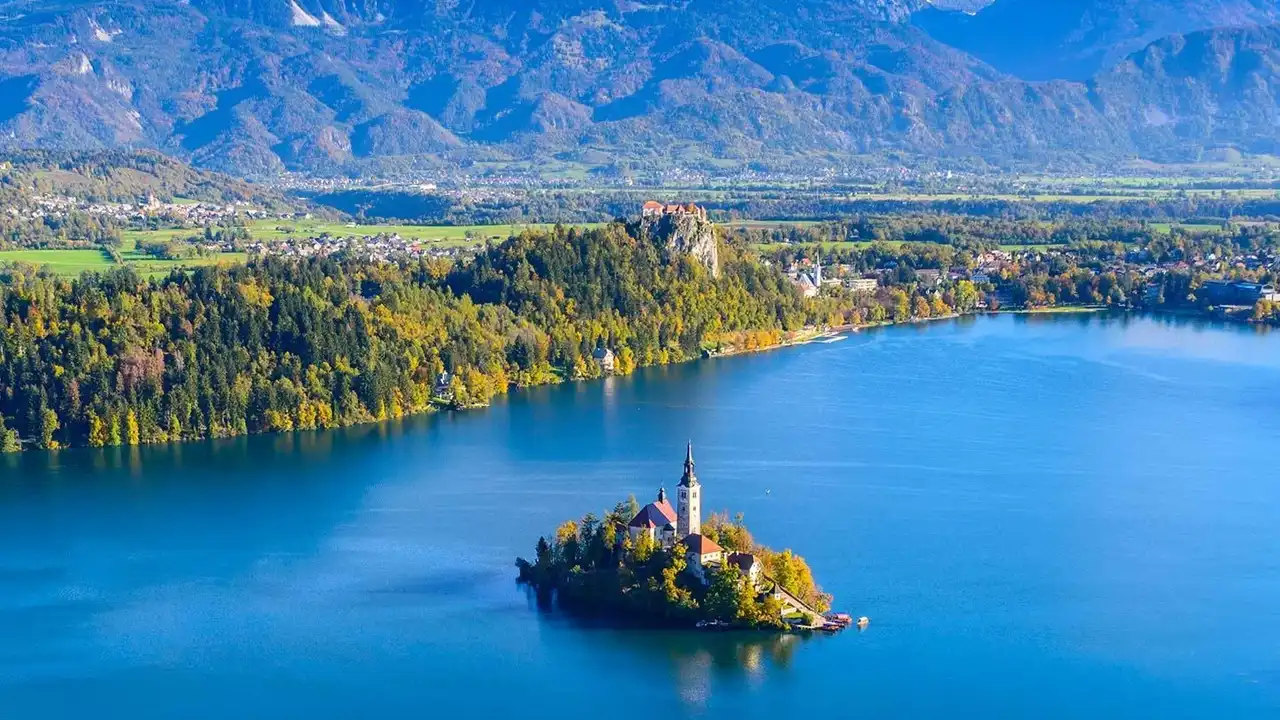
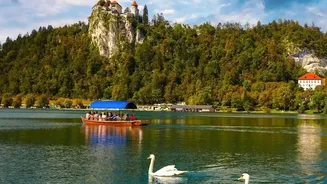
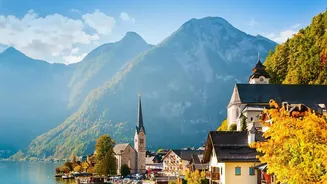
alpine Slovenia revolves around two magnificent glacial lakes: Bled and Bohinj. Lake Bled is the country's most famous postcard image. With its tiny island church, a medieval castle clinging to a cliff, and traditional 'pletna' boats gliding across its surface, it is undeniably romantic and lively. Just a short drive away lies Lake Bohinj, Bled’s wilder, larger, and more tranquil sibling. Situated in the heart of Triglav National Park, Bohinj offers a more rugged, nature-focused experience, surrounded by towering peaks and pristine forests. While Bled charms with its accessibility and iconic sights, Bohinj appeals to those seeking serenity and a deeper connection with the mountains.
Choosing Your Season
Slovenia’s lakes are a year-round destination, with each season offering a unique experience. Spring (April to June) brings blooming wildflowers, lush green valleys, and pleasant temperatures perfect for hiking before the summer crowds arrive. Summer (July and August) is the peak season, with warm weather ideal for swimming, rowing, and enjoying the vibrant atmosphere, though it's also the busiest time. Autumn (September and October) is a favourite for many, as the crowds thin out and the forests surrounding the lakes erupt in spectacular shades of red, orange, and gold. Winter (November to March) transforms the region into a snowy wonderland. While some higher trails are inaccessible, the frozen landscapes offer opportunities for ice skating, snowshoeing, and enjoying cosy moments by a fire.
Essential Walks and Viewpoints
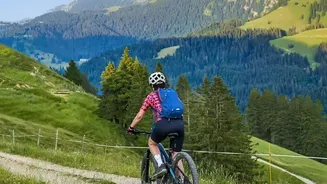
The best way to experience the lakes is on foot. Around Lake Bled, the essential walk is the flat 6 km path that circles the entire lake, offering ever-changing views. For the iconic postcard photograph, a short but steep 25-minute climb to the Ojstrica viewpoint is a must. Nearby, Vintgar Gorge provides a spectacular walk along wooden boardwalks over the emerald Radovna River. At Lake Bohinj, the 12 km circuit around the lake is a peaceful 3-4 hour walk through forests and meadows. For more dramatic scenery, trails lead into the mountains. A popular choice is the hike to Savica Waterfall, the powerful cascade that feeds the lake. Another is the trail through Mostnica Gorge, a beautiful canyon carved by the river just north of the lake.
For the More Ambitious Hiker
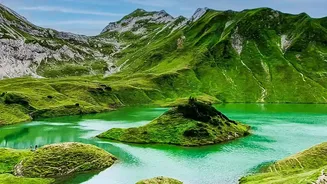
For those with more time and energy, the Julian Alps offer some of Europe's most rewarding hikes. The Triglav Lakes Valley, also known as the Seven Lakes Valley, is a breathtaking full-day or multi-day trek that winds through a high alpine basin dotted with pristine glacial lakes. The hike can be challenging, requiring good fitness, but rewards with otherworldly limestone landscapes and profound tranquility. Starting points vary, with one popular route beginning near Lake Bohinj and ascending into the heart of the national park. This is true mountain terrain, where you can stay in rustic mountain huts and experience the Alps at their most majestic.
Where to Rest Your Head
Accommodation options cater to every style and budget. Around the lively Lake Bled, you'll find everything from grand lakefront hotels with historic charm to family-run guesthouses ('penzions') and apartments in the main town. For better value, consider staying in the nearby villages of Lesce or Bohinjska Bela. Lake Bohinj offers a quieter selection, with fewer large hotels and more of an emphasis on small guesthouses, private apartments, and traditional farm stays ('turistične kmetije'), which provide an authentic taste of rural Slovenian life. For hikers tackling multi-day routes, a network of mountain huts offers basic but essential shelter high in the Alps.