









The Anatomy of a Scheduling Nightmare
For decades, the default method for scheduling a meeting across continents has been a mix of manual labour, guesswork, and goodwill. Someone proposes a time. A colleague in another hemisphere points out that it’s 3 AM for them. Another sends a screenshot
of their packed calendar. A dozen emails later, the group begrudgingly settles on a slot that is inconvenient for at least one person, who silently vows to attend with their camera off. This isn’t just an annoyance; it’s a significant drain on productivity. This manual process, repeated thousands of times a day in companies worldwide, represents a massive cognitive load. Employees spend valuable mental energy on administrative tasks instead of strategic work. More insidiously, it creates a subtle hierarchy of convenience. Teams in a company's headquarter timezone often get preference, while those on the periphery are consistently asked to accommodate, leading to burnout and a feeling of being undervalued.
Enter the Intelligent Coordinator
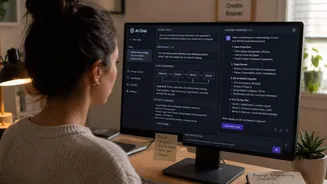
The phrase “smart timezone coordination engines” sounds futuristic, but the concept is simple. It refers to a category of AI-powered software designed to automate the complex task of finding optimal meeting times for groups spread across different locations. Think of it as a highly sophisticated executive assistant that has access to everyone’s calendar and understands their individual constraints and preferences. Unlike basic tools that just show overlapping free slots, these engines are proactive and intelligent. They don’t just ask, “When are you free?” They analyze calendars to understand, “When are you most productive, least likely to be interrupted, and able to have this meeting without sacrificing your well-being or deep work time?” This marks a fundamental shift from reactive scheduling to a more predictive and considerate model.
How the 'Magic' Actually Works
At their core, these tools operate on a few key principles. First, they ingest and analyse calendar data from all participants. But they go deeper than just a “busy” or “free” status. Users can set preferences, such as their core working hours, when they prefer to take meetings, and when they need to protect “focus time” for uninterrupted work. The engine learns these patterns over time. When a meeting needs to be scheduled, the organiser simply specifies the participants, duration, and priority. The engine then runs millions of calculations in seconds, cross-referencing everyone’s availability, stated preferences, and timezone. It then presents a small, curated list of the most optimal times, often ranked by how well they respect everyone’s schedule. Some advanced tools even automatically book the best slot or dynamically reschedule lower-priority meetings to make way for more urgent ones, all without human intervention.
More Than Just a Time Slot
The promise of these engines isn't just to save time on scheduling emails. The larger, more transformative benefit lies in fostering a healthier and more equitable corporate culture. By using an impartial algorithm to find the “least bad” time for everyone, it removes the unintentional bias that often burdens employees in certain timezones. When a system automatically blocks out lunch hours or prevents meetings from being booked at 7 PM, it codifies respect for personal time into the company’s operating system. It reduces meeting fatigue by suggesting shorter meeting times or spreading them out more intelligently. This shift allows employees to regain control over their schedules, reducing the constant background stress of a chaotic calendar and freeing them up to do their best work.