






The Undeniable Allure of Luxury
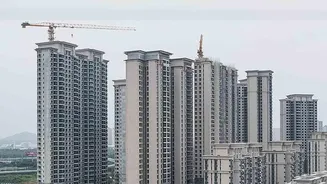
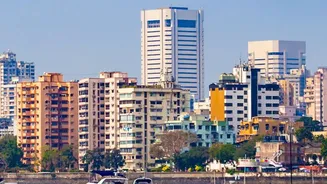
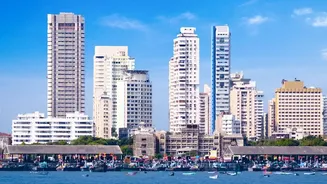
The Indian real estate market is witnessing a significant pivot towards luxury properties, and the reasons are primarily economic. The luxury residential market, valued at over USD 57 billion in 2025, is projected to grow substantially, with some forecasts
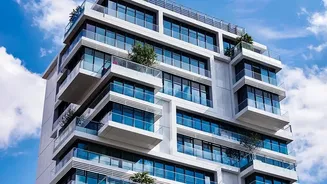
predicting a compound annual growth rate (CAGR) of over 10% through 2031. This boom is fuelled by a growing number of high-net-worth individuals (HNWIs) and a surge in wealth from factors like stock market gains and successful IPOs. For developers, the math is simple: luxury projects yield significantly higher profit margins. These projects cater to a clientele that is less sensitive to price hikes and more focused on lifestyle, amenities, and status. As a result, developers are increasingly launching opulent projects with features like smart home technology, concierge services, and wellness centres to attract affluent domestic buyers and Non-Resident Indians (NRIs).
The Soaring Costs Behind the Shift
It’s not just about chasing higher profits; it's also about surviving rising costs. Between 2021 and 2025, average housing prices in India's top cities surged by 59%, while construction costs rose by 34%. This gap is largely driven by skyrocketing land values, which have increased by 50% to 130% in major corridors during the same period. Faced with expensive land and materials like steel and cement, developers find it challenging to build budget homes viably. The low margins in the affordable housing segment make it a less attractive investment, especially when the costs to build are so high. Consequently, many builders choose to focus on the premium segment, where they can more easily absorb these costs and ensure a healthier return on their investment.
A Crisis in Affordable Housing
While the luxury market thrives, the affordable housing sector is facing a severe crunch. According to a recent UN report, the share of affordable housing in new supply across India's top eight cities plummeted from 52% in 2018 to a mere 17% by 2025. Industry leaders have noted a 15-20% decline in the total number of affordable housing units for the first time in decades. This is creating a massive supply-demand gap; one report indicated the ratio of supply to demand fell from 1.05 in 2019 to just 0.36 in 2025. The very definition of 'affordable' is also a point of contention. The current price cap of ₹45 lakh is considered outdated for metropolitan areas like Mumbai and Delhi, where it barely buys a small apartment on the city's fringes, effectively excluding a large portion of the middle class from eligibility for government schemes.
Can Government Schemes Bridge the Gap?
The government's flagship Pradhan Mantri Awas Yojana (PMAY) was launched in 2015 to address the urban housing shortage. The scheme, particularly its urban component (PMAY-U), has had significant reach, with over 12 million houses sanctioned and a substantial number completed. The program was extended with PMAY-U 2.0, which began in September 2024 to continue providing financial assistance to eligible low and middle-income families. However, challenges persist. While these initiatives provide crucial subsidies, they struggle to counteract the powerful market forces of high land costs and developer focus on high-margin projects. Experts and industry bodies like CREDAI have called for policy revisions, including raising the ₹45 lakh price cap for affordable homes in metros and providing further incentives to make building budget homes more financially viable for developers.