






Beyond the Silent Stacks
For generations, the library has been a sanctuary of silence, a place for solitary study and quiet contemplation. Bookstores, similarly, have been primarily transactional spaces. But as our cities evolve, so too must our cultural institutions. A new model
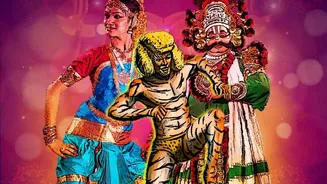
is emerging, one that reimagines these spaces as dynamic community centres where literature is not just read, but experienced. The concept is simple yet powerful: infuse spaces dedicated to reading with the energy of live performance and the collaborative spirit of workshops. This transforms them from mere repositories of books into living, breathing cultural venues that foster connection, creativity, and a renewed sense of community. It’s a shift from passive consumption to active participation, where the stories on the page inspire dialogue, music, and artistic creation in the same room.
Pockets of Cultural Innovation
This isn't just a theoretical idea; it's already happening in pockets across the country. Independent bookstores in cities like Bengaluru and Delhi have become cultural hotspots, hosting everything from open-mic poetry and author talks to illustration workshops and live music. For instance, stores like Champaca in Bengaluru and Kunzum in Delhi regularly feature a packed calendar of events that draw in diverse crowds. Beyond the private sector, public institutions are also getting involved. Initiatives in states like Kerala aim to modernise public libraries into multi-faceted community hubs. In Mumbai, the Nehru Centre Library organises creative writing workshops and 'Meet-the-Author' sessions to engage children and adults alike. These examples demonstrate a growing recognition that integrating diverse cultural activities is key to staying relevant and serving the community more broadly.
A Win-Win for Community and Culture
The benefits of this hybrid model are manifold. For residents, it provides an accessible “third place”—a welcoming public space that isn’t home or work—where they can learn, socialise, and be entertained. It makes culture less intimidating and more integrated into the fabric of daily life. For artists, musicians, and performers, these venues offer new, intimate platforms to share their work and connect with local audiences. This is especially crucial for emerging talent who may struggle to find space in traditional galleries or concert halls. For the libraries and bookstores themselves, hosting events drives foot traffic, builds a loyal community, and creates a vibrant brand identity that can't be replicated online. It’s a strategy for survival and revitalisation, ensuring these cherished institutions continue to thrive by meeting the evolving needs of their patrons.
The Blueprint for a Vibrant Future
Scaling this model requires a collaborative effort. It involves municipal governments recognising the value of cultural programming in urban planning, as seen in projects like the Nizamuddin Urban Renewal Initiative in Delhi, which successfully coupled conservation with socio-economic and cultural development. Public-private partnerships can provide the necessary funding and expertise to transform underutilised public libraries. Citizen-led initiatives and non-profits, like the St+art India Foundation that turns urban districts into public art galleries, showcase the power of grassroots movements in reclaiming public spaces for cultural expression. By encouraging more libraries and community centres to open their doors to local artists and educators, and by simplifying the process for hosting small-scale cultural events, cities can unlock a vast potential for creative placemaking. The goal is to make our urban landscapes not just functional, but also enriching and inspiring.