



The Philosophy of a Flexible Pantry
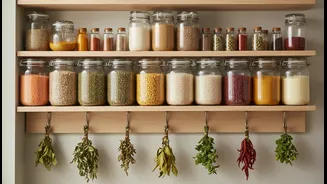
A flexible pantry isn't about having a massive collection of every possible ingredient; it’s about curating a smart, versatile set of staples that can be combined in numerous ways. The goal is to create a reliable foundation for your cooking, reducing
the stress of daily meal planning and last-minute grocery runs. Instead of thinking in terms of specific recipes, this approach encourages you to think in terms of components. With the right base ingredients, you are always just a few steps away from a wholesome meal. This method saves money, minimizes food waste, and sparks creativity by forcing you to see the potential in simple items you already have on hand. It’s a shift from a recipe-driven kitchen to an ingredient-driven one.
The Foundation: Grains and Legumes
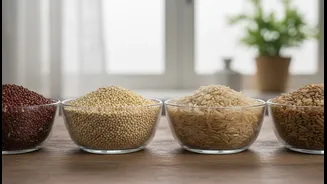
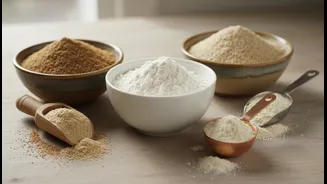
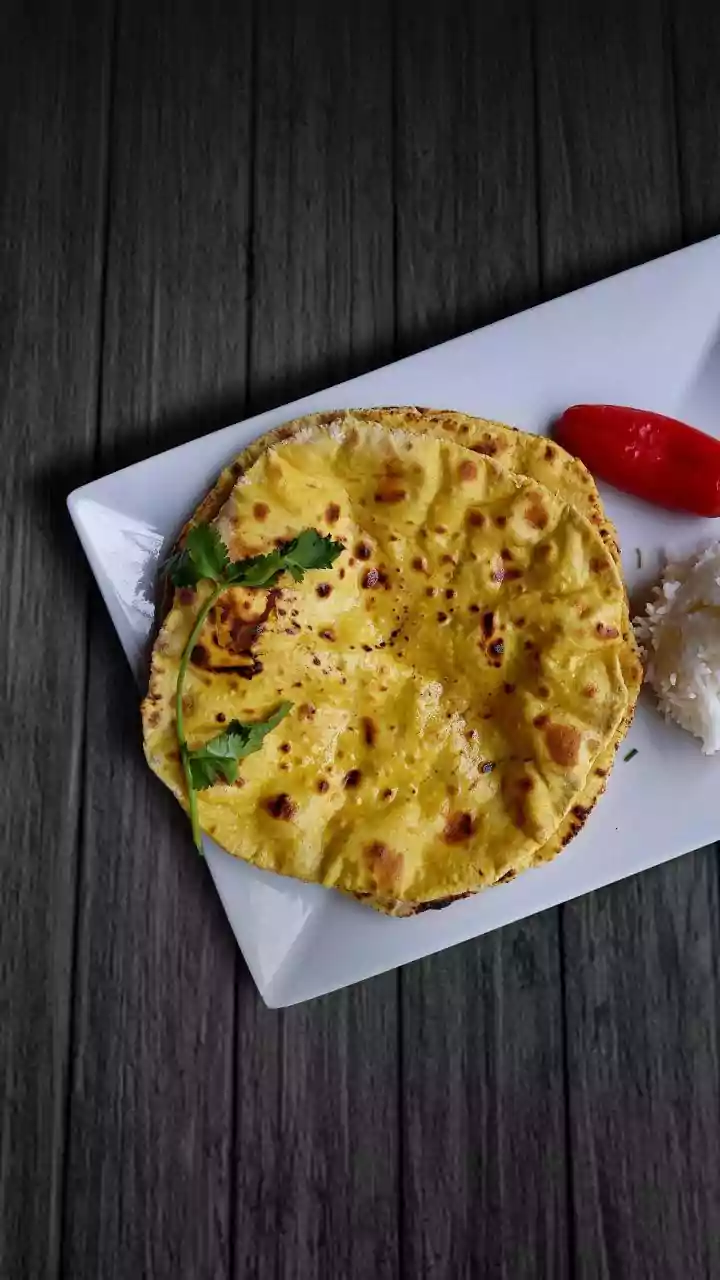
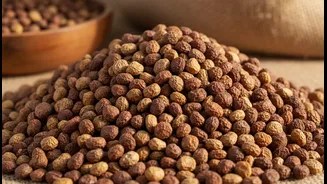
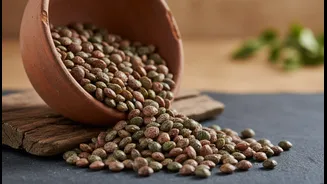
At the heart of any Indian pantry are grains and legumes. These provide the core carbohydrates and plant-based proteins that form the base of countless meals. Whole wheat flour (atta) and basmati rice are non-negotiable. Atta allows for fresh rotis, parathas, or puris, while rice is the perfect partner for dals and curries. For legumes, a small variety goes a long way. Stocking up on toor dal (split pigeon peas), moong dal (split yellow lentils), and chana (chickpeas) covers your bases for a range of regional dishes. These dried goods have a long shelf life and are incredibly cost-effective, offering a substantial foundation for any meal.
The Flavour-Makers: Spices and Oils
Spices are what give Indian food its distinct character, transforming the same base ingredients into entirely different dishes. A well-stocked masala dabba, or spice box, is essential. The workhorse spices you'll reach for constantly include turmeric (haldi), cumin seeds (jeera), coriander powder (dhania), and red chilli powder. A good garam masala is also key for finishing dishes with a warm, aromatic flourish. For cooking fats, having a neutral vegetable oil for general frying and ghee for finishing dals or smearing on rotis provides versatility. These flavour-makers are the engine of a flexible pantry; changing the spice combination is the easiest way to create variety.
Long-Lasting Heroes: Onions, Garlic, and More
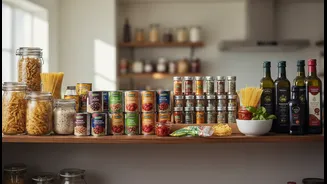
Certain fresh ingredients have a long enough shelf life to be considered pantry staples. Onions, garlic, and ginger are the holy trinity of many Indian curries and form the flavour base of most savoury dishes. Potatoes are another starchy staple that can be used in everything from dry sabzis to curries. It’s also wise to keep canned tomatoes or tomato paste on hand for a consistent, year-round curry base when fresh tomatoes aren’t at their peak. Tamarind paste offers a sour note essential for many South Indian dishes like sambar and rasam. These items bridge the gap between completely dry goods and fresh, perishable produce.
From Staples to Meals: The Mix-and-Match Method
This is where the magic happens. With your stocked pantry, you can pivot based on your mood and time. For example, cooked toor dal can become a simple dal fry served with basmati rice. That same dal can be combined with atta dough to create dal parathas for breakfast. Chickpeas can be simmered with an onion-tomato base and spices for a classic chana masala to eat with roti. If you have rice and lentils, you can create a comforting khichdi. The same rice and urad dal can be soaked and ground to make batter for dosa and idli. By viewing your staples as interchangeable building blocks, you unlock dozens of meal possibilities without needing a new shopping list for each one.
Completing the Balance
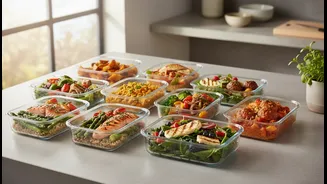
A balanced meal includes carbohydrates, proteins, fats, and essential vitamins and minerals. While the pantry provides a strong base of carbs and protein from grains and lentils, incorporating fresh elements is key. A flexible pantry is designed to be supplemented, not to exist in isolation. Simple additions like a side of yogurt, a quick cucumber raita, or a handful of seasonal greens wilted into a dal can complete a meal. Keeping paneer or eggs on hand provides an easy protein boost. The pantry handles the core structure, allowing you to focus on adding simple, fresh components that elevate the dish and round out its nutritional profile.