
Saturn Prepares for Its Big Moment
The undisputed star of the late August sky is Saturn. While its official "opposition”—the point where it's closest and brightest to Earth for the year—is on October 4, the planet is already putting on a magnificent show. Opposition is a season, not a single
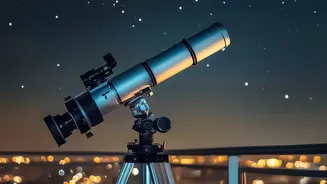
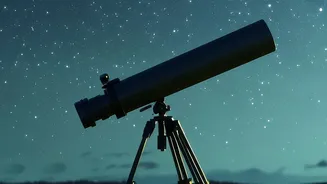
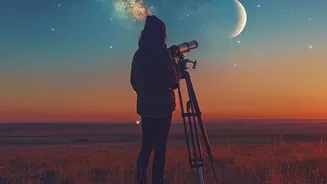
night, and the lead-up is just as impressive. Throughout late August, the ringed planet will be visible for most of the night, rising in the east around sunset and tracing a path across the sky. Shining with a steady, yellowish-white light, it will be brighter than most stars. You won't need a telescope to spot it, but even a basic pair of binoculars can reveal it as more than just a point of light. If you have access to a small telescope, you’re in for a treat, as its iconic rings become discernible. Look for it in the constellation Cetus, the Whale. It offers a perfect, reliable target for any clear night.
Catch the Morning Planet Parade
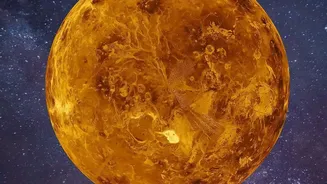
For the early risers, the pre-dawn sky offers a beautiful planetary alignment. While the peak six-planet parade occurred mid-month, several of these worlds remain strung across the morning sky like scattered jewels. About an hour before sunrise, look towards the east to spot brilliant Jupiter, which easily outshines every star. Higher up and to the south, you'll find the distinct reddish glow of Mars and the steadfast light of Saturn, which will be getting ready to set in the west. Venus and Mercury might play hide-and-seek low on the eastern horizon, their visibility depending on your location and local light pollution. Seeing multiple planets in one sweep is a humbling reminder of our solar system's grand scale, and the clear mornings after a monsoon shower can provide exceptionally crisp views.
A Final Glimpse of the Milky Way's Heart
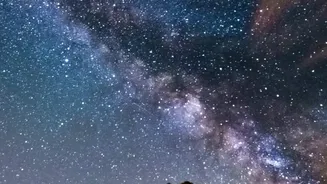
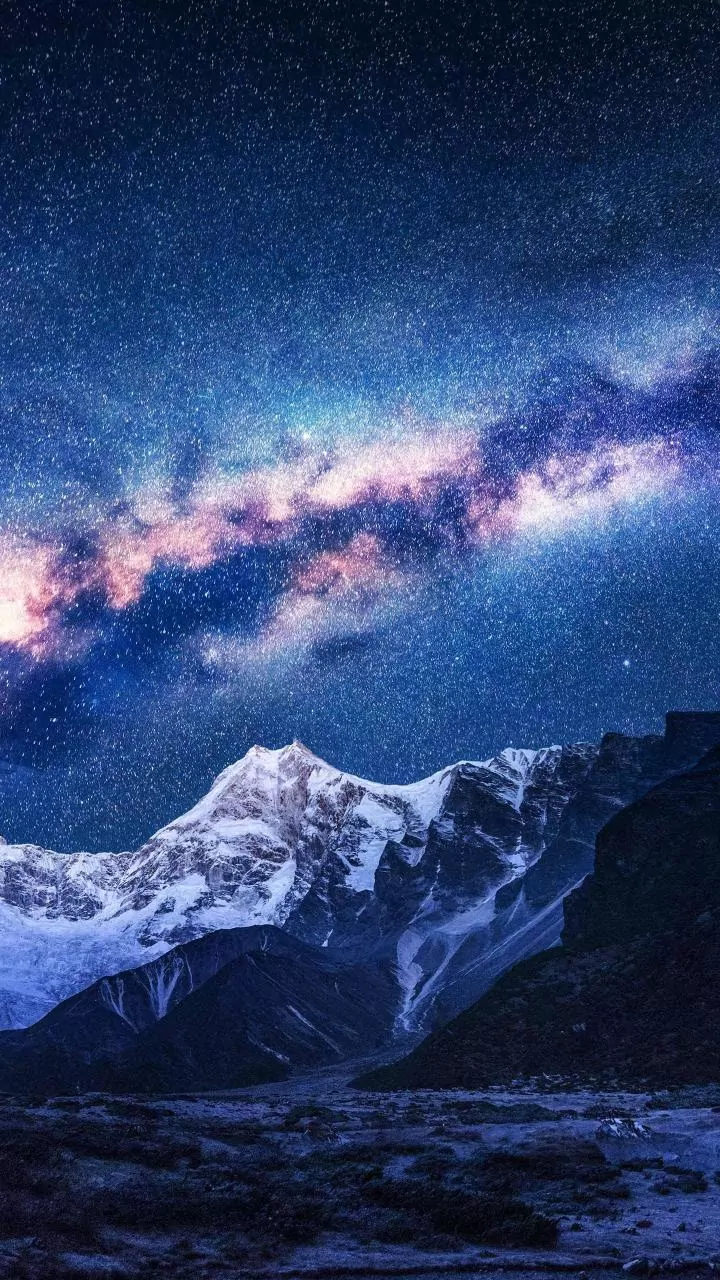
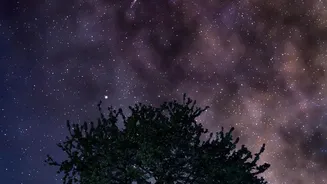
August is one of your last best chances this year to witness the awe-inspiring sight of the Milky Way's galactic core. This is the densest, brightest part of our home galaxy, a luminous band of countless stars, gas, and dust. The biggest challenge for viewing it in India during this time is the monsoon. However, during breaks in the cloud cover, the view can be breathtaking. To see it, you must get away from city lights to a truly dark location. Look towards the southern horizon for the constellations Sagittarius and Scorpius. The core will appear as a hazy, glowing cloud arching across the sky. It's a profound sight that doesn’t require any special equipment, just dark skies and a bit of patience. On a moonless night, its sheer scale is enough to make you feel connected to the cosmos in a powerful way.
Connect the Dots with the Summer Triangle
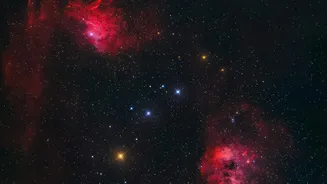
If planets and galaxies feel a bit daunting, start with something simple and classic: the Summer Triangle. This isn't a constellation but an asterism—a prominent pattern of stars. It’s made up of three of the brightest stars in the night sky, each belonging to a different constellation. Look almost directly overhead after sunset to find Vega, the brightest of the three and part of Lyra, the Harp. To its lower left is Deneb, the tail of Cygnus, the Swan, which flies along the Milky Way. Completing the triangle to their lower right is Altair, the head of Aquila, the Eagle. The Summer Triangle is high in the sky throughout August and serves as a fantastic celestial landmark. Once you can spot it, you can use it to navigate your way to other constellations and appreciate the vast, starry map above.