







Turmeric: The Golden Healer
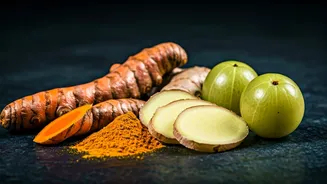
A staple in every Indian kitchen, turmeric is more than just a spice; it's a potent medicinal herb. Its main active compound, curcumin, has powerful anti-inflammatory and antioxidant properties. [6, 18] During the monsoon, when the risk of infections
is high, incorporating turmeric can be beneficial. It helps modulate the immune system and supports overall wellness. [5] A warm glass of 'haldi doodh' (turmeric milk) before bed is a classic, comforting remedy to help soothe a sore throat and prevent colds. [21] You can also be generous with turmeric in your daily dals and vegetable preparations to reap its benefits consistently.
Ginger: The Warming Root
Ginger is another kitchen essential that shines during the rainy season. Its primary bioactive compound, gingerol, is known for its strong anti-inflammatory and antioxidant effects. [6, 17] Ayurveda values ginger for its warming nature, which helps kindle the 'Agni' or digestive fire, believed to be weaker during the monsoon. [4, 7] A cup of hot ginger tea, perhaps with a dash of honey and lemon, can provide immediate relief from a scratchy throat and help clear respiratory passages. [5] Adding freshly grated ginger to soups and curries not only enhances flavour but also aids digestion and helps the body fight off common seasonal bugs. [3]
Garlic: Nature’s Antimicrobial
Known for its pungent aroma and strong flavour, garlic has been used for centuries to ward off illness. It contains allicin, a compound with potential antimicrobial and antibacterial properties that are released when a clove is crushed or chopped. [3] Regular consumption of garlic may help reduce the severity of common colds and flu, which are rampant during the monsoon. [8] You can easily incorporate it into your diet by adding it to tadkas for dal, making a fiery garlic chutney, or simmering it in a comforting bowl of rasam or soup. [3, 14]
Seasonal Fruits: A Burst of Vitamin C
Monsoon brings a variety of delicious seasonal fruits that are packed with immunity-supporting nutrients. Jamun (black plum), plums, pears, and pomegranates are excellent choices. [7, 23] Many of these fruits are rich in Vitamin C and antioxidants, which are crucial for a healthy immune response. [10, 20] Vitamin C helps in the production of white blood cells, the body's primary line of defence against infections. [15] Instead of reaching for a fried snack, a bowl of these fresh fruits can be a much healthier and more beneficial choice to satisfy your cravings.
Light and Easy-to-Digest Gourds
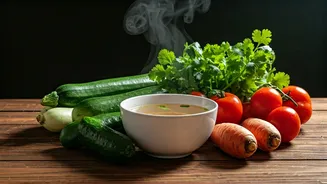
Ayurveda recommends eating light, warm, and cooked meals during the monsoon, as the digestive system is considered weaker. [7] Vegetables like bottle gourd (lauki), ridge gourd (turai), and pointed gourd (parwal) are perfect for this season. [9, 27] They are high in water content, easy on the stomach, and packed with essential nutrients and fibre without being too heavy. [27] Preparing them as a simple sabzi or adding them to soups and dals can provide nourishment, support gut health, and prevent the feeling of bloating and indigestion that is common in this season. [19]
Moong Dal: The Gentle Protein
Moong dal is a monsoon superstar. It is one of the most easily digestible pulses, making it an ideal source of protein when the digestive fire is low. [7] Protein is essential for building and repairing body tissues and for creating immune cells and antibodies. A warm bowl of moong dal khichdi, cooked with a dollop of ghee and spices like cumin and turmeric, is the ultimate comfort food for a rainy day. [21] It provides sustained energy and is incredibly soothing for the gut. [4]
Nuts and Seeds: A Handful of Goodness
A small portion of nuts and seeds can be a great addition to your monsoon diet. Almonds are a good source of Vitamin E, while walnuts provide omega-3 fatty acids, both of which support immune function. [13, 15] Pumpkin seeds are an excellent source of zinc, a mineral crucial for the development and function of immune cells. [13] A handful of these can make for a healthy, filling snack, helping you avoid less healthy fried options. Just remember to consume them in moderation as they are calorie-dense. [14]