



The Merchants Who Spiced a Cuisine
To understand Chettinad food, you must first understand the Chettiars. The Nattukottai Chettiars, a prosperous banking and trading community from the Chettinad region of Tamil Nadu, were true globalists long before the term was coined. During the 19th
and early 20th centuries, their trade networks spanned Southeast Asia, reaching Burma, Malaya, Ceylon (now Sri Lanka), and Vietnam. As they traded in goods and financed economies, they brought back more than just wealth. They returned with new ingredients, preservation techniques, and a cosmopolitan palate that forever shaped their home cuisine. This constant cultural exchange created a culinary tradition that is both deeply Tamil and uniquely international, a story told in every complex mouthful. The grand mansions they built, filled with Burmese teak and Italian marble, stand as a testament to their travels, and their kitchens tell the same story through flavour.
A Symphony of Spices, Not Just Heat
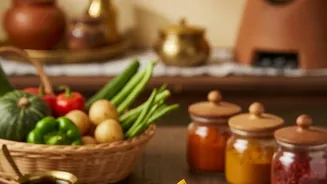
Many restaurant versions have reduced Chettinad cuisine to a single note: searing heat from red chillies. This is a profound misrepresentation. Authentic Chettinad cooking is about the masterful layering of aromatic, complex spices to create depth, not just fire. The true soul of the cuisine lies in a unique set of ingredients rarely found together elsewhere. Key among them are kalpasi (black stone flower), an edible lichen that imparts a smoky, earthy aroma when fried, and Marathi moggu (kapok buds), which add a floral, peppery note. Star anise provides a subtle warmth, while fennel seeds offer a fresh counterpoint. Before chillies even arrived in India, black pepper was the original source of heat, and it still provides a slow, lingering warmth in traditional dishes. These spices are used with restraint and precision, creating a balanced and aromatic profile that is the true signature of the region.
The Art of the Freshly Ground 'Masala'
The single greatest difference between authentic Chettinad cooking and its modern imitations lies in the preparation of the 'masala' or spice blend. In a traditional Chettinad kitchen, or 'aachi', there are no pre-made, generic curry powders. Instead, the spices for each dish are individually dry-roasted to awaken their essential oils and then ground fresh, often on a stone grinder. This practice, known as 'kari masala', is what gives each dish its distinct and vibrant character. Roasting and grinding spices to order ensures the flavours are at their peak, a world away from the stale, one-note taste of a commercial powder. This meticulous, labour-intensive process is the secret behind the cuisine's extraordinary depth and why recreating the true taste from a packet mix is nearly impossible.
Spotting the Authentic From the Adapted
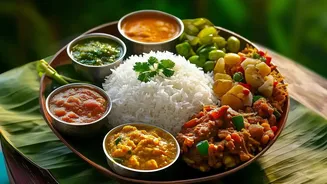
So, on a culinary trip, how can you distinguish a genuine Chettinad dish from a generic imposter? First, look beyond the ubiquitous 'Chicken Chettinad'. The cuisine features a vast range of dishes, including complex vegetarian preparations like 'ennai kathrikai' (stuffed aubergine) and various 'paniyarams' (savory rice cakes), alongside non-vegetarian specialties like mutton curry, crab fry, and fish preparations. Authentic dishes often have a dark, rich colour from the roasted spices, not a bright red hue that comes from excessive chilli powder or artificial colouring. The gravy should be thickened by onions, coconut, and ground spices, not by shortcuts like cornflour or cashew paste. Finally, the flavour should be a complex layering of smoky, peppery, and aromatic notes, where the heat is a pleasant warmth rather than a sharp, overpowering assault.