

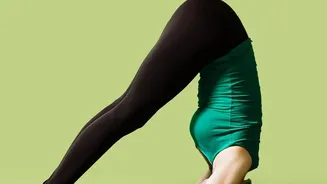
Why Yoga For Exam Season?
During stressful periods like exams, the body produces higher levels of the stress hormone cortisol, which can lead to anxiety, poor sleep, and a foggy mind. Yoga helps counteract this. The combination of physical postures (asanas), controlled breathing
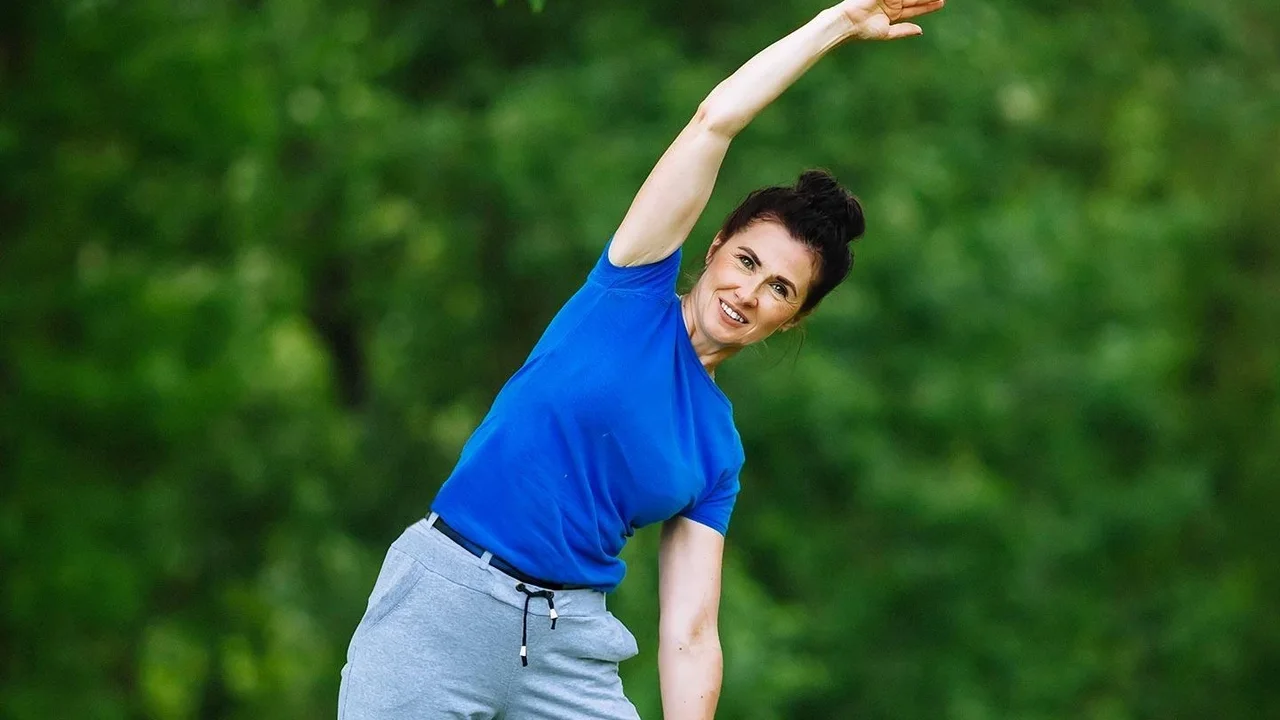
(pranayama), and mindfulness directly calms the nervous system. Studies and practitioners report that a regular, gentle yoga practice can reduce symptoms of anxiety, improve emotional stability, and enhance blood circulation to the brain. This doesn't require hours on a mat; even 15-20 minutes a day can make a significant difference, helping students feel more grounded and better prepared to tackle their studies with a clear head.
The Focus-Boosting Poses
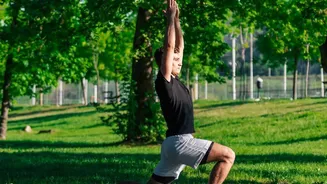
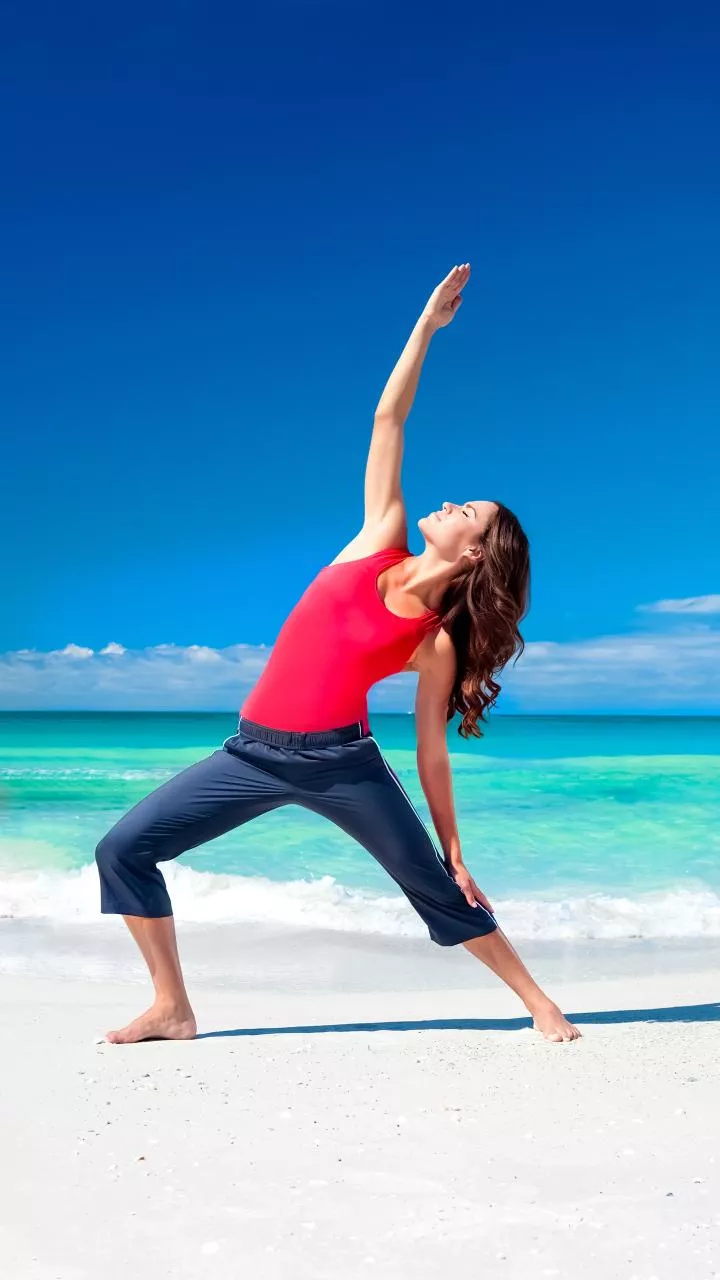
When the mind feels scattered, balancing poses can help bring it back to a single point of concentration. The physical effort required to stay steady translates into mental stillness. To perform these, encourage your teen to find a 'drishti,' or a non-moving point in front of them to fix their gaze on. Tree Pose (Vrikshasana): Stand tall and shift your weight onto one foot. Place the sole of the other foot on your inner ankle, calf, or thigh (avoiding the knee). Bring your hands together in front of your chest. Holding this pose builds stability and trains the mind to stay present. Eagle Pose (Garudasana): This pose involves wrapping your arms and legs, which requires intense focus. It's excellent for improving concentration and releasing tension in the shoulders and upper back, common areas where students hold stress. Warrior Poses: Poses like Warrior II and Warrior III build strength and stamina. They cultivate a feeling of groundedness and confidence, helping to burn off nervous energy before an important exam.
Stretches to Unwind and De-Stress
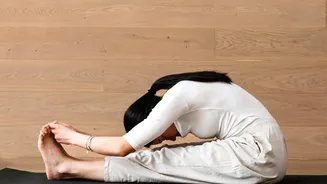
Long hours of sitting and studying can lead to physical stiffness, especially in the neck, shoulders, and back. These gentle stretches are perfect for releasing that built-up tension. Cat-Cow Pose (Marjaryasana-Bitilasana): Start on your hands and knees. As you inhale, drop your belly and look up (Cow). As you exhale, round your spine and tuck your chin to your chest (Cat). This simple flow warms up the spine and relieves back tension. Child's Pose (Balasana): A deeply restorative posture, Child's Pose is an opportunity to tune out distractions. From your hands and knees, sit back on your heels and fold forward, resting your forehead on the floor. It gently stretches the hips and back while calming the mind. Legs-Up-The-Wall (Viparita Karani): This is one of the most relaxing poses. Simply lie on your back and swing your legs up to rest against a wall. It helps soothe the nervous system, reduces fatigue, and can even improve sleep quality — a crucial element for memory retention.
The Power of Calm Breathing
Breathing techniques, or pranayama, are yoga's secret weapon for instant calm. They can even be practised discreetly before entering the examination hall. Alternate Nostril Breathing (Nadi Shodhana): Sit comfortably. Use your right thumb to close your right nostril and inhale slowly through the left. Then, close your left nostril with your ring finger, release your thumb, and exhale through the right. Inhale through the right, then switch to exhale through the left. This technique is known to balance the right and left hemispheres of the brain, promoting clarity and reducing anxiety. Bee Breath (Bhramari): A wonderfully soothing practice. Sit tall, close your eyes, and plug your ears with your fingers. Inhale deeply and, as you exhale, make a low-pitched humming sound like a bee. The vibration has an immediate calming effect on the nervous system, helping to quiet a racing mind.