




A New Kind of Intelligence in Orbit
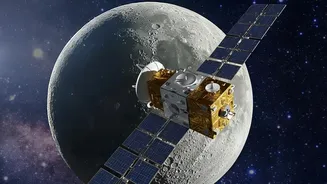
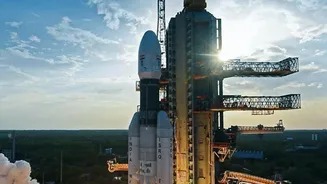
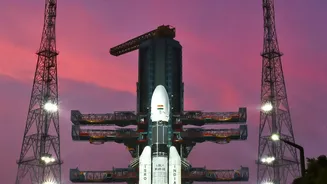
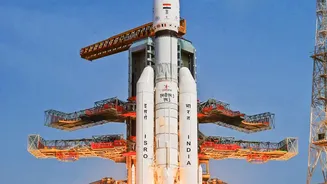
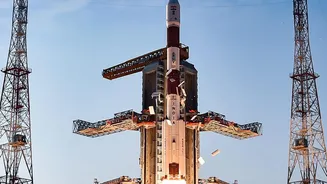
In a landmark moment for India's space sector, the nation has successfully launched a satellite dedicated to artificial intelligence and edge computing in orbit. While ISRO has utilized AI in missions before, such as for the Chandrayaan-3 moon landing,
this initiative represents a concerted push toward making satellites smarter and more autonomous. The concept is being driven not just by the national space agency, which has confirmed it is studying the feasibility of in-orbit data centres, but also by innovative startups. For example, Hyderabad-based TakeMe2Space recently launched its MOI-1A satellite, described as India's first orbital computing satellite, aboard a SpaceX mission. These missions signal a strategic shift: instead of just being passive data collectors, Indian satellites are becoming active processing platforms in space.
Why Process Data in Space?
Traditionally, satellites capture vast amounts of data—like images of Earth—and transmit it all back to ground stations. This process consumes enormous bandwidth, creates delays, and requires massive data centres on Earth. Orbital computing, or edge computing in space, flips this model on its head. By equipping satellites with powerful processors, like the Nvidia chips used in some recent missions, the data can be analysed directly in orbit. An AI model on the satellite can sift through thousands of images, identify what's important—such as the start of a wildfire, flooding, or specific agricultural changes—and send back only the crucial insights. This reduces transmission bottlenecks and provides actionable information almost instantly, which is critical for disaster management and national security.
The Brains of the Operation
At the heart of this technology are AI and machine learning models. ISRO has been actively encouraging research in this field, recognising its potential to enable more efficient and autonomous missions. Private ventures are putting this into practice. Customers, including mapping companies and agricultural firms, can upload their own AI models to an orbiting satellite. As the satellite passes over a region of interest, it runs the customer's specific model on the data it collects. For example, an insurance company could use a model to assess crop damage after a storm, receiving a concise report rather than terabytes of raw imagery. This allows for a more flexible and powerful use of space assets, turning them into a shared, intelligent platform.
A Leap for 'Make in India'
This push into orbital computing is a significant step for India's self-reliance in deep technology. While some specialized components like processors and solar cells may be sourced globally, many of the key satellite components for these new missions are designed and manufactured in India. This domestic capability is crucial for building a resilient space ecosystem. The success of such missions positions India not just as a launch provider but as a leader in space innovation. By pioneering in-orbit AI infrastructure, the country is carving out a niche in the global space economy, which is projected to exceed a trillion dollars by 2040. This aligns perfectly with the national goal of 'Atmanirbhar Bharat' in critical and emerging technologies.
The Challenges of the Final Frontier
Putting a 'brain' in space is not without its difficulties. The space environment is incredibly harsh. Electronics must be 'radiation-hardened' to protect them from cosmic rays that can cause errors or complete failure. Power is also a major constraint; AI processing is energy-intensive, and satellites must rely solely on solar power and batteries. Furthermore, there are significant cybersecurity risks. A compromised AI system in orbit could be manipulated, leading to mission failure or the theft of sensitive data. Overcoming these hurdles requires breakthroughs in hardware design, power management, and robust security protocols to ensure these orbital computers are both reliable and safe.