





The Homecoming Challenge
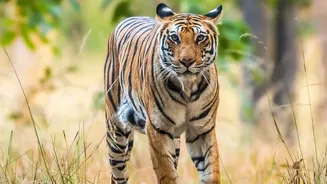
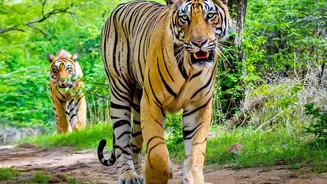
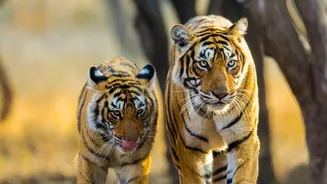
Tiger translocation, the process of moving tigers to areas where they have gone locally extinct, is far more complex than simply transporting an animal. These projects, like those in Rajasthan's Sariska and Madhya Pradesh's Panna reserves, are delicate
operations. Success depends on creating an environment where the relocated tigers can not only survive but establish territories, breed, and thrive. A key reason for failure is the unsuitability of the new habitat, especially a lack of an adequate prey base. This is where water becomes the unsung hero of conservation. A landscape rich in natural water sources is a landscape rich in life, forming the foundation of a successful reintroduction.
More Than Just a Drink
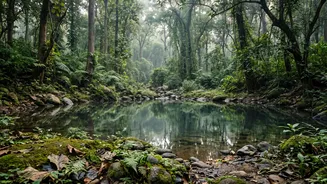
For a tiger, a water hole is not just a place to quench its thirst or cool off in the summer heat. It is a strategic tool for survival. Water bodies attract a steady supply of prey species like deer and wild boar, turning them into prime hunting grounds. Tigers will often lie in ambush along the routes to these water sources. Furthermore, tigers use water holes to mark their territory, patrolling and scent-marking the areas to communicate their dominance and avoid conflict with other tigers. In essence, the network of water holes within a forest dictates the movement, distribution, and hunting success of both predator and prey. Without them, the ecological engine of the forest sputters.
Natural Systems vs. Artificial Solutions
In the face of drying landscapes, forest departments have often resorted to creating artificial water holes, sometimes using concrete and filling them with water from tankers or solar-powered borewells. While well-intentioned, these man-made solutions can have drawbacks. They can become stagnant, require constant maintenance, and may not foster the surrounding vegetation that herbivores need. Elephants have also been known to damage pump infrastructure. In contrast, restoring natural water systems offers a more holistic and resilient solution. Techniques like desilting traditional ponds, reviving natural drainage channels (known as 'jhiriyas'), and building small check dams help rejuvenate the entire ecosystem. These natural water bodies act like sponges, absorbing monsoon rains, recharging groundwater, and maintaining soil moisture, which in turn supports the vegetation that prey animals depend on.
Lessons from the Field
The history of tiger reintroduction in India provides powerful case studies. The initial success of the Panna Tiger Reserve's recovery, after losing all its tigers by 2009, is credited not just to the reintroduction of the animals but to the health of the landscape, under-pinned by the Ken River and its water systems. Conversely, challenges in other translocation efforts have sometimes been linked to habitat suitability, including water and prey availability. Conservation efforts are increasingly recognizing this link. In Chhattisgarh's Udanti-Sitanadi Tiger Reserve, for example, officials are restoring over 800 traditional jhiriya water points to ensure water is available deep inside the forest, reducing the chances of wildlife straying into human areas and lowering the risk of conflict.
Water Security is Tiger Security
Ultimately, conserving tigers is inseparable from conserving their entire habitat, and water is the thread that ties it all together. Healthy forest ecosystems, which are the heart of India's 58 tiger reserves, are also the catchments for approximately 600 rivers. These forests act as natural filters and sponges, regulating water flow, preventing soil erosion, and recharging the aquifers that provide water for hundreds of millions of people. By restoring natural water holes, conservationists are not just creating a place for a tiger to drink. They are rebuilding a complex, self-sustaining ecosystem that supports a robust prey base, reduces human-wildlife conflict, and secures the future for both the national animal and the vital water resources that originate in its domain.