




What Are Harmful Algal Blooms?
Algae are microscopic plant-like organisms found in all aquatic environments. They are a vital part of the food web, but sometimes, conditions are perfect for them to grow out of control. This rapid increase is called an algal bloom. Factors like warm
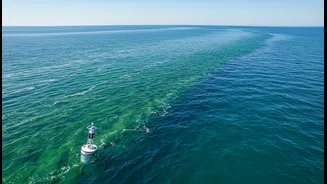
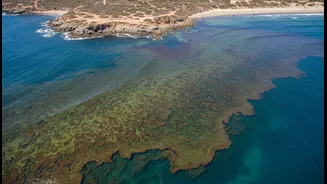
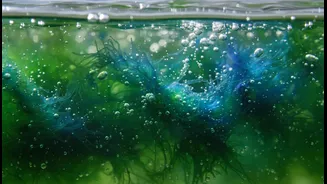
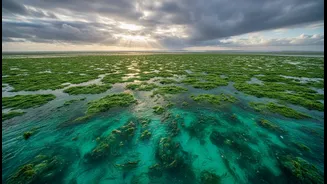
water temperatures, stagnant water, and an excess of nutrients from agricultural runoff and sewage discharge can trigger these events. Not all blooms are dangerous, but some are caused by species that produce potent toxins. These are known as Harmful Algal Blooms, or HABs. In India, these events are becoming more frequent along both the east and west coasts, especially during monsoon seasons when nutrient runoff is high. These blooms can appear as thick, soup-like mats on the water's surface, sometimes called "red tides," though they can also be green or brown.
The Cascade of Hidden Dangers
The impact of a single HAB can be devastating and far-reaching. The toxins released can cause serious health issues in humans who consume contaminated seafood or even just inhale airborne particles near the coast, leading to respiratory, digestive, and neurological problems. Economically, the effects are crippling. Fisheries are forced to close, leading to massive income loss for coastal communities that depend on them. The blooms can also create vast "dead zones" by depleting oxygen in the water, resulting in mass fish kills and damaging entire marine ecosystems. The tourism industry also suffers, as beach closures and public health warnings deter visitors. These economic losses, combined with public health costs, can amount to millions annually.
The Race Against the Bloom
Traditionally, detecting a HAB was a reactive process. It often relied on visual sightings of discoloured water or reports of fish kills, by which time the damage was already underway. Water samples would then be collected and sent to a lab for analysis, a process that is accurate but slow. By the time the results confirm a toxic bloom, it may have spread further or intensified, making it difficult for authorities to issue timely warnings to protect public health and local industries. This delay between detection and action represents a critical window where people and ecosystems remain vulnerable.
A New Generation of Sentinels
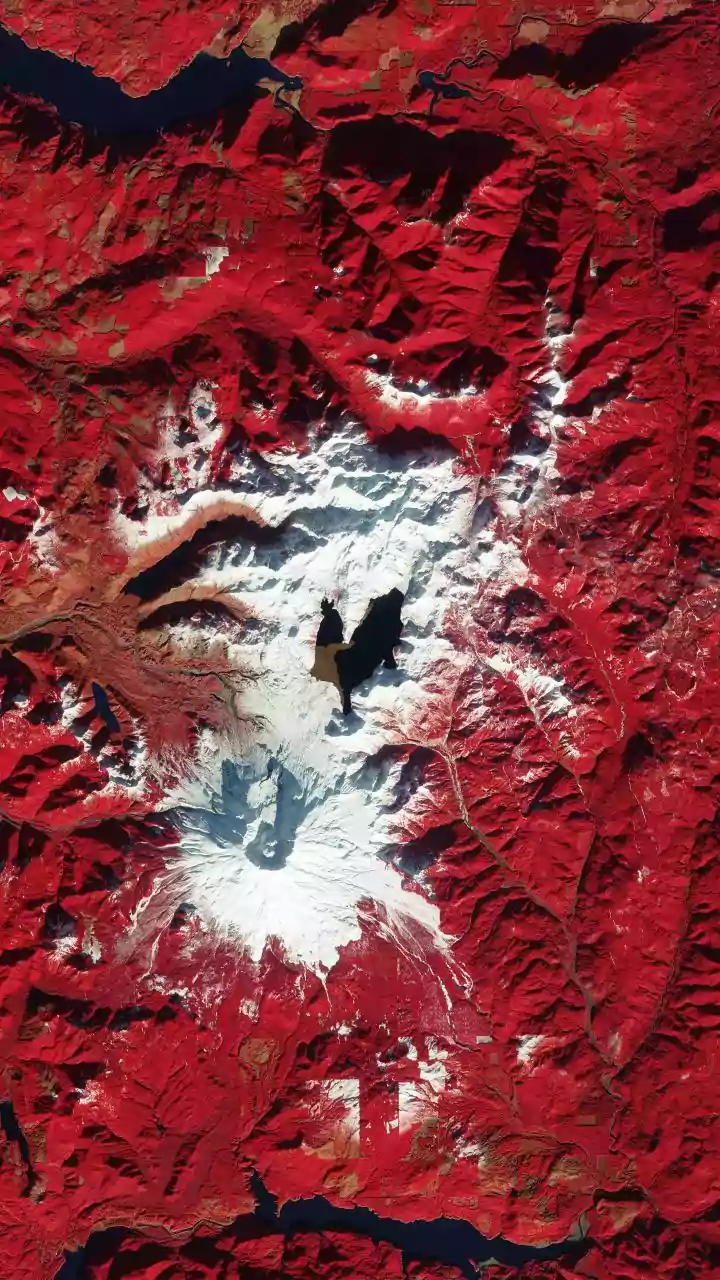
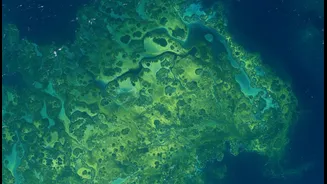
Fortunately, technology is revolutionising our ability to monitor and respond to HABs. Today, scientists can get a head start using a combination of advanced tools. Satellite imagery allows for the monitoring of vast stretches of ocean and lakes, detecting the tell-tale changes in water colour that signal a developing bloom. In India, the Indian National Centre for Ocean Information Services (INCOIS) uses its Algal Bloom Information Service (ABIS) to do just that, providing near real-time information to fishermen and resource managers. This is supplemented by in-water sensors on buoys that continuously measure water quality parameters like temperature and algal pigments. More advanced methods, such as analysing environmental DNA (eDNA) and using AI-powered models, can even predict where and when a bloom is likely to occur.
The Power of a Head Start
This is where early detection makes all the difference. An advance warning of even a few days can transform the response from a crisis cleanup to proactive management. With a forecast in hand, public health officials can issue timely advisories, closing beaches and recreational areas before people get sick. They can halt shellfish harvesting to prevent contaminated products from reaching the market, protecting consumers and the seafood industry from long-term reputational damage. Water treatment plants can adjust their processes to handle the incoming toxins. Studies have shown that using satellite data for early warnings can save hundreds of thousands of dollars in healthcare costs from just a single bloom event by preventing illnesses. In short, early detection empowers communities and authorities to take swift, targeted action, minimising the health and economic fallout of these damaging natural events.