






The Daily Commute as a Deciding Factor
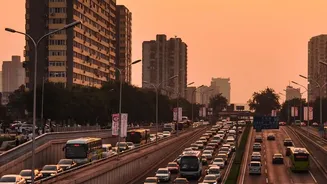
For many women, the decision to take a job is heavily influenced by the daily commute. Concerns about safety, reliability, and time spent travelling are paramount. Research shows that improved access to transportation has a stronger positive effect on women's
non-agricultural employment than men's. Well-connected metro systems, frequent and reliable bus services, and women-only coaches reduce travel time and significantly mitigate safety risks. Initiatives in several states to offer free or subsidised bus travel for women have been shown to successfully improve their participation in paid work. When a commute feels safe and predictable, it expands the geographic radius of potential jobs, allowing women to access better opportunities that may be located farther from home.
Lighting the Way with Last-Mile Connectivity
The journey doesn't end at the bus stop or metro station. The 'last mile' — the walk from public transport to the office or home — is often where women feel most vulnerable. Poorly lit streets, deserted pathways, and inadequate pedestrian infrastructure can make this final leg of the commute a significant barrier. Urban planners increasingly recognise that safety needs to be integral to design, not an afterthought. Gender-sensitive urban planning includes lighting audits for walking routes, well-maintained sidewalks, and the presence of safe, shared mobility options like e-bikes or rickshaws at transit hubs. These elements are not just conveniences; they are critical infrastructure that can determine whether a woman feels secure enough to travel for work, especially during off-peak or evening hours.
Public Spaces and a Sense of Security
The perception of safety in public spaces has a direct impact on women's economic and social lives. A NARI 2025 report revealed that 40% of women in urban areas feel unsafe, citing issues like harassment, poor lighting, and inefficient public transport. This feeling of insecurity can restrict mobility and limit life choices. Infrastructure that promotes a sense of safety — such as clean and accessible public toilets, visible security patrols, and well-designed parks — encourages women to participate more fully in city life. Recent consultations by UN Women India have stressed a shift from merely 'protecting' women to empowering them through agency in urban design, ensuring they are active partners in creating inclusive public spaces. When women feel safe moving around their city, they are more likely to seek education, employment, and social engagement.
The Rise of Digital Infrastructure
Modern infrastructure isn't just physical. The expansion of digital connectivity is creating new avenues for women to enter the workforce. Reliable, high-speed internet allows for remote work, freelance opportunities, and online entrepreneurship, providing flexibility for those who face mobility constraints or have significant caregiving responsibilities. Government initiatives like Digital India have helped improve this digital backbone. For urban women entrepreneurs, digital platforms for e-commerce, marketing, and payments are powerful tools for growth, helping them overcome traditional barriers and reach wider markets. While a digital divide in terms of literacy and access still exists, increasing digital inclusion is recognised as a powerful lever for boosting female labour force participation.
Supportive Social Infrastructure: The Childcare Equation
One of the most significant barriers to women's workforce participation is the burden of unpaid caregiving. A recent labour force survey found that over 44% of women outside the workforce cited childcare or homemaking as the primary reason. Recognising this, accessible and affordable childcare is increasingly viewed as a critical piece of economic infrastructure. The Maternity Benefit (Amendment) Act of 2017, which mandates creche facilities for companies with 50 or more employees, is a step in this direction. When reliable childcare is available, it enables mothers to return to and remain in their jobs, benefiting not only their careers but also providing businesses with a more stable and productive workforce.