





Create Air Corridors Around Furniture
One of the quickest ways to combat stagnant, musty air is to give your furniture room to breathe. When large items like sofas, beds, and cupboards are pushed directly against walls, they trap moisture and block air circulation, creating ideal conditions
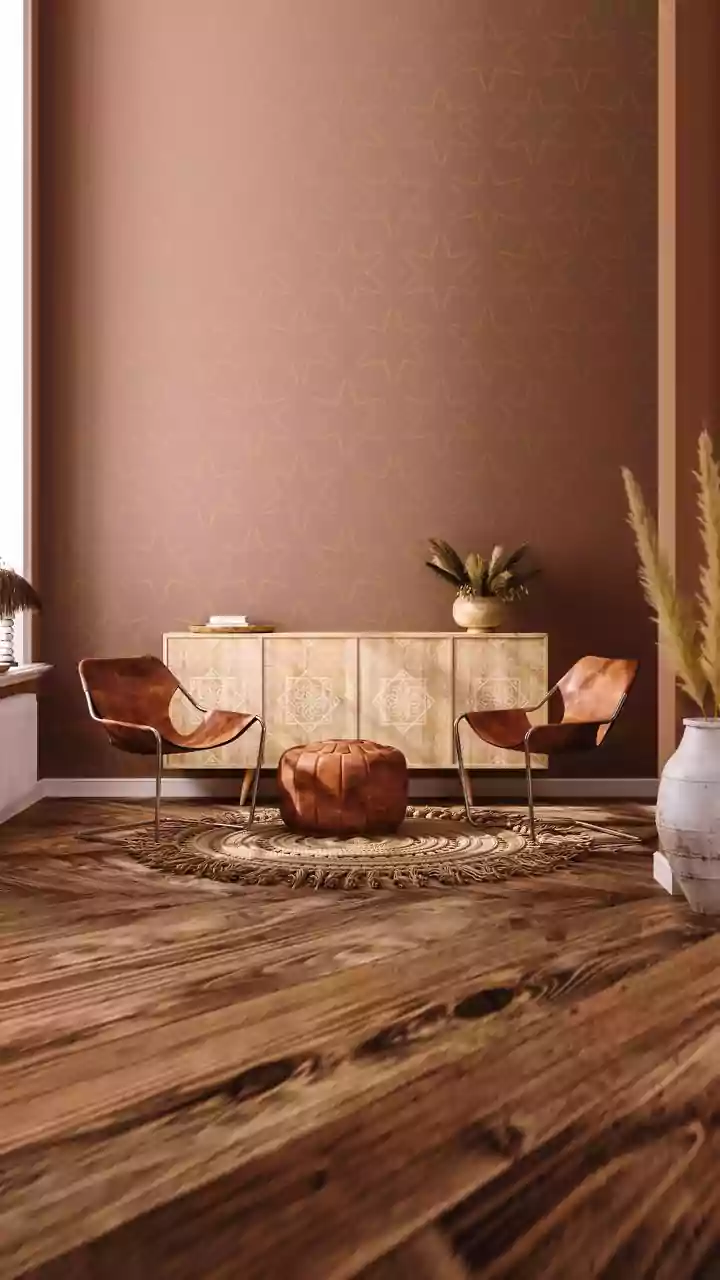
for mould and mildew. The fix is simple: pull your furniture four to six inches away from the walls. This creates invisible 'air corridors' that allow air to move freely around the room, preventing damp pockets from forming in corners and behind your belongings. This single adjustment helps your entire space feel less stuffy and significantly reduces areas where musty smells can begin.
Optimise Wardrobe and Storage Space
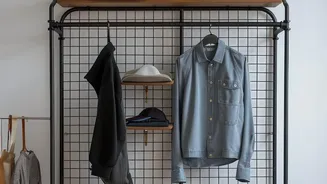
Wardrobes are a common source of musty smells during the monsoon as trapped moisture affects clothes and wood. The layout solution is to avoid overcrowding. Tightly packed clothes don't allow for any airflow, holding onto dampness from the humid air. Rearrange your storage by spacing out hangers and not stuffing drawers to capacity. If possible, keep wardrobe doors slightly ajar on dry, breezy days to encourage ventilation. Consider using moisture absorbers like silica gel or activated charcoal bags, placing them in the corners of your cupboards. These small layout adjustments within your storage spaces ensure air can circulate, keeping your clothes smelling fresh.
Employ Strategic Cross-Ventilation
Making the most of any break in the rain is key to a fresh-smelling home. This is where strategic ventilation comes in. Instead of just opening one window, identify windows and doors that are diagonally opposite each other. Opening them simultaneously, even for just 30 minutes when it is not raining, creates a powerful cross-breeze that effectively flushes out stale, humid air and replaces it with fresher, drier air. This technique is far more effective than random ventilation. It's a purposeful layout strategy, using your home's existing openings to create a wind tunnel that purges moisture and odours.
Elevate Items Off the Floor
The floor is often the coolest surface in a room, which can lead to condensation and dampness, especially under rugs and stored items. A simple layout shift is to elevate things. If you store items in boxes, place them on low-profile pallets or risers instead of directly on the floor. This allows air to circulate underneath, preventing moisture from getting trapped. It is also wise to roll up and store thick carpets and rugs during the peak monsoon months, as they are magnets for moisture, dust, and foul smells. Keeping the floor clear and items elevated makes the room feel more open and, more importantly, keeps it drier.
Rethink Your Indoor Drying Zone
Drying clothes indoors is often unavoidable during the monsoon, but it can massively increase the humidity in your home. The key is to designate a 'drying zone' in the most well-ventilated part of your house, preferably a room with a fan or a window you can crack open. Avoid laying wet clothes on furniture or beds. Instead, use a drying rack that allows for maximum air exposure around each garment. Don't place the rack in a high-traffic area or a closed-off corner where it will block airflow. By thoughtfully placing your drying setup, you contain the moisture to one manageable area and prevent that damp laundry smell from taking over your entire home.