





The Wisdom of Chaturmas Eating
Chaturmas, which translates to “four months,” marks a holy period in the Hindu calendar, beginning on Devshayani Ekadashi in July and ending on Prabodhini Ekadashi in November. It is a time when Lord Vishnu is believed to be in a state of cosmic sleep,
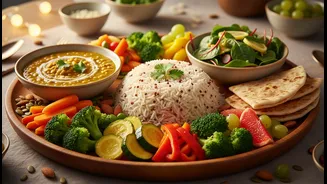
and devotees turn inward, focusing on prayer, fasting, and self-discipline. A significant aspect of this observance is the adoption of a sattvic diet—one that is pure, light, and easy to digest. This ancient practice is deeply intertwined with the rhythms of nature. The monsoon season, while bringing life-giving rain, also brings challenges. According to both traditional wisdom and modern science, our digestive power, or 'agni', tends to weaken during these humid months. The damp environment also becomes a breeding ground for bacteria and insects, increasing the risk of water-borne illnesses and food contamination. The Chaturmas diet is, therefore, a deeply practical guide to staying healthy and balanced during this sensitive period.
A Conscious Pause on Leafy Greens
One of the most well-known dietary rules of Chaturmas, particularly during the first month of Shravan, is the avoidance of leafy green vegetables. This might seem counterintuitive, especially when the rains make everything green and abundant. However, the reasoning is purely pragmatic. Leafy vegetables like spinach and cabbage, with their many layers and broad surfaces, are highly susceptible to infestation by worms and other microbes that thrive in the wet soil and humid air of the monsoon. In an era before modern refrigeration and pesticides, abstaining from these greens was a crucial preventative health measure. This rule encourages a shift in focus, pushing us to look beyond the usual suspects and appreciate other vegetables that are better suited for the season.
The Unsung Heroes: Monsoon Gourds
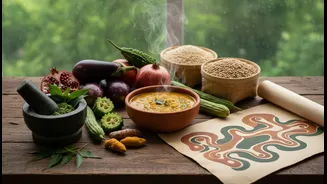
If leafy greens are on pause, which vegetables take centre stage? This is where the humble, hardy gourds and other robust vegetables of the monsoon shine. Bottle gourd (lauki), ridge gourd (turai), pointed gourd (parwal), and Indian squash (tinda) are the true stars of the Chaturmas kitchen. These vegetables are less prone to spoilage and infestation. Their tough skins offer better protection, and they grow vigorously during the rainy season, making them fresh and plentiful. They are celebrated in Ayurveda for being light on the stomach and possessing cooling properties, which help balance the body's doshas during the Vata-aggravating monsoon. Even bitter gourd (karela), valued for its potent medicinal properties, is a monsoon staple that fits perfectly within the Chaturmas ethos. These are the vegetables that truly deserve the spotlight for their resilience and suitability.
Nourishment Beyond Just Taste
The gourds championed during Chaturmas are nutritional powerhouses, perfectly designed for the body's needs during the monsoon. Bottle gourd, for example, is over 90% water, making it incredibly hydrating and low in calories, while being a good source of fibre that aids digestion. Ridge gourd and pointed gourd are packed with vitamins A and C, essential for bolstering the immune system against seasonal coughs and colds. The fibre in these vegetables helps maintain a healthy gut, which is crucial when the digestive system is naturally sluggish. By embracing these vegetables, the Chaturmas diet provides a blueprint for seasonal eating that is deeply rooted in promoting wellness, proving that traditional practices often contain profound scientific and nutritional wisdom.
From Simple to Sublime
For many, the mention of lauki or turai might conjure images of bland, uninspired meals. But it doesn't have to be this way. The culinary challenge of Chaturmas—often observed without onion and garlic—is an invitation to get creative with other aromatics and spices. Think of a simple lauki sabzi, transformed with the fragrance of cumin seeds and a pinch of asafoetida. Picture stuffed parwal, filled with a spiced blend of crumbled paneer or lentils. Ridge gourd can be cooked into a light, flavourful curry with coconut milk, while bitter gourd can be thinly sliced, stir-fried until crisp, and seasoned with rock salt and pepper. These preparations showcase the natural, subtle flavours of the vegetables themselves. This period encourages a cooking style that is simple yet elegant, proving that restriction can often be the mother of culinary invention.